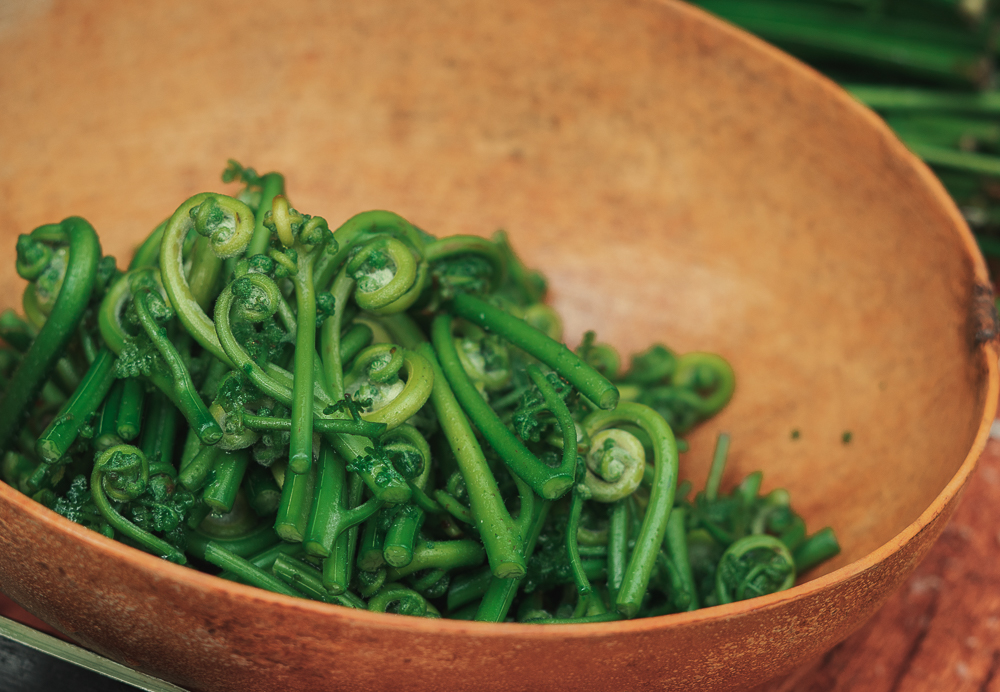
Description: Experience Amazonian forest-to-table cuisine while learning sustainable agroforestry practices that honor Indigenous knowledge and rainforest conservation.
Location: Tena, Ecuador
Duration: Minimum 4 weeks (flexible for min. 2 weeks depending on intern’s qualifications)
Start Dates: Project is ongoing, and you can join at any time, depending upon availability
Cost: $750 for the 1st week + $550 for each additional week – see ‘Costs’ tab for further details
Benefits:
- Learn about Ecuadorian culinary arts, with a focus on the unique interculturality and sustainability of the field
- Sample and learn about some of the thousands of fruit, vegetable, nut, spice, and insect species
- Collaborate with farmers on projects to diversify and add value to their agroforestry farms, and research domestic and international markets for local products
- Opportunity to organize Farm to Table (Forest to Table) meals to help rural families and associations showcase the riches of the forest and educate others about traditional Amazonian foods
- In addition to culinary arts and agriculture, opportunity to learn about indigenous rights, ecotourism, Fair Trade and organic certifications, social entrepreneurship, and community tourism projects
- Research & dissertation support available with partner organizations and universities, if requested
Introduction
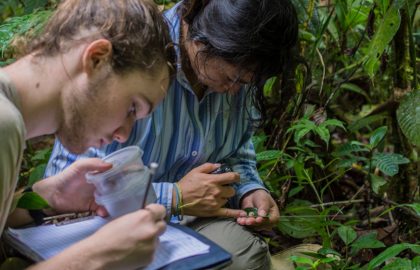
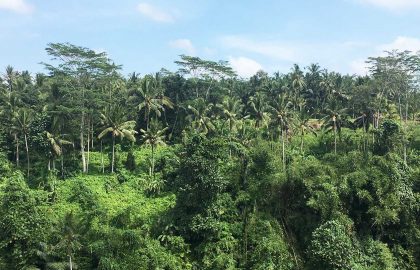
Live in an Indigenous Amazonian community in the buffer zone of protected forest and support conservation and reforestation efforts led by local stewards of the land. Most families manage their land in diverse zones: food and medicine, animals or fish ponds, timber species, and protected forest areas. Interns take part in activities like seed collection, nursery maintenance, tree planting, soil improvement, and tree care, while also learning about traditional land-use systems and contributing to efforts that assess, map, or strengthen existing agroforestry models. This work may also connect with local conservation initiatives involving protected parks by the Ministry of the Environment.
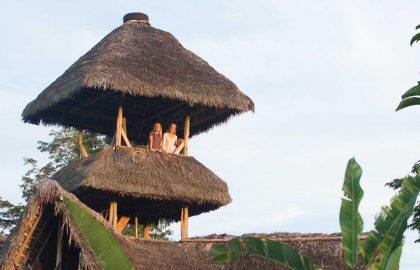
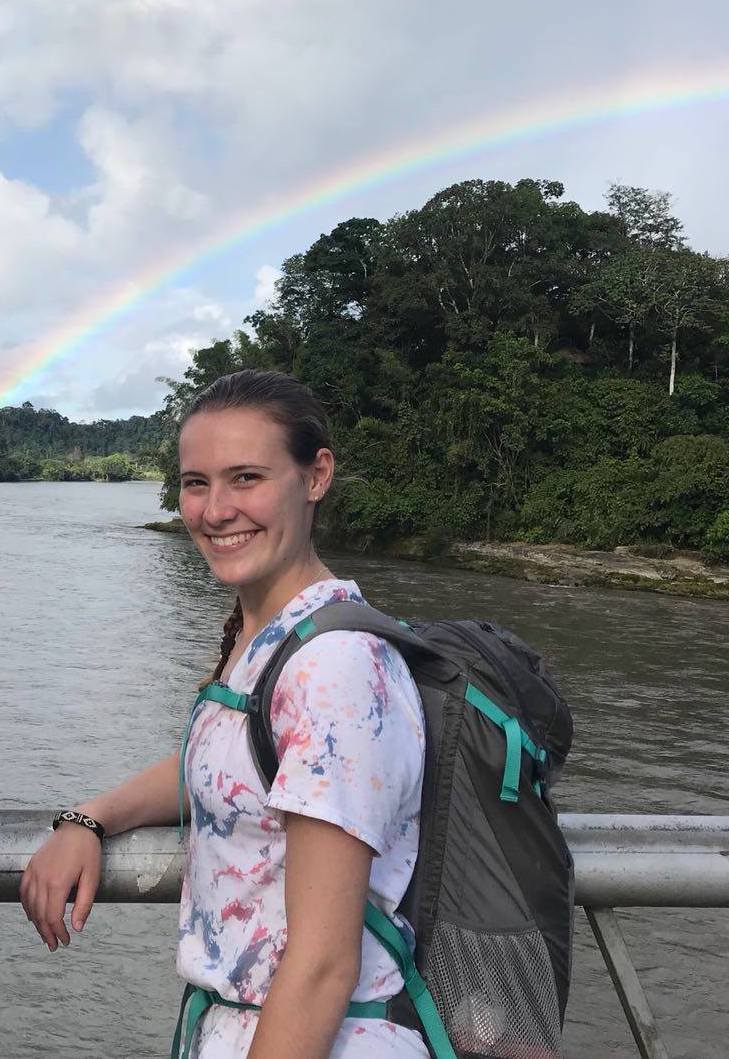
This internship offers more than just a placement, it offers a way of life. You’ll live with a Kichwa host family in the buffer zone of the tropical Amazonian rainforest, where everyday life is closely tied to the chakra, a traditional forest-farm system that is deeply embedded in Kichwa culture. The chakra is the nucleus for maintaining and revitalizing ancestral knowledge, sustaining both people and the environment.
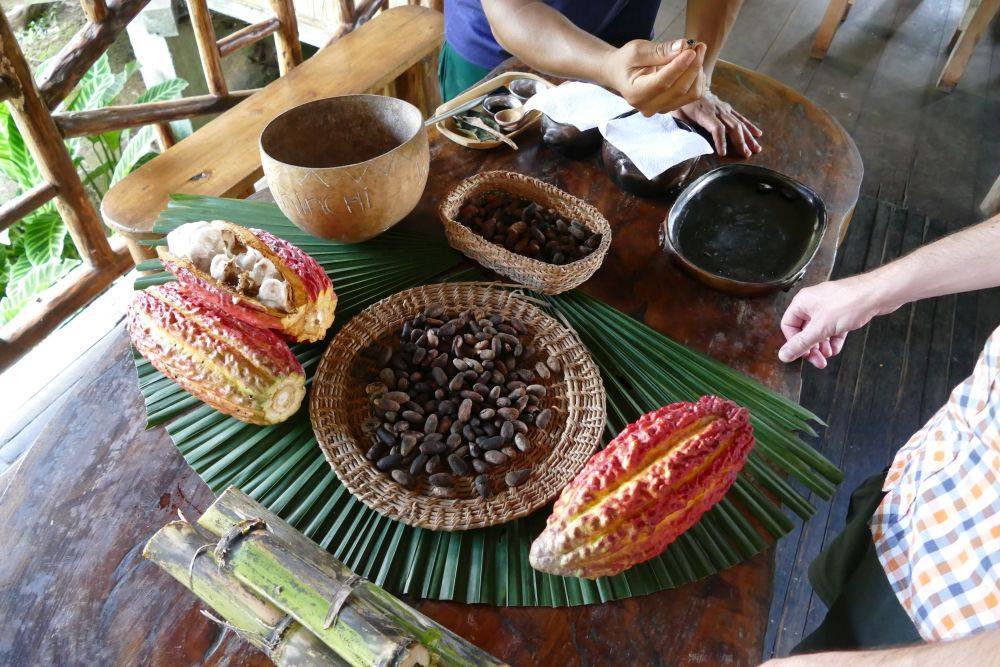
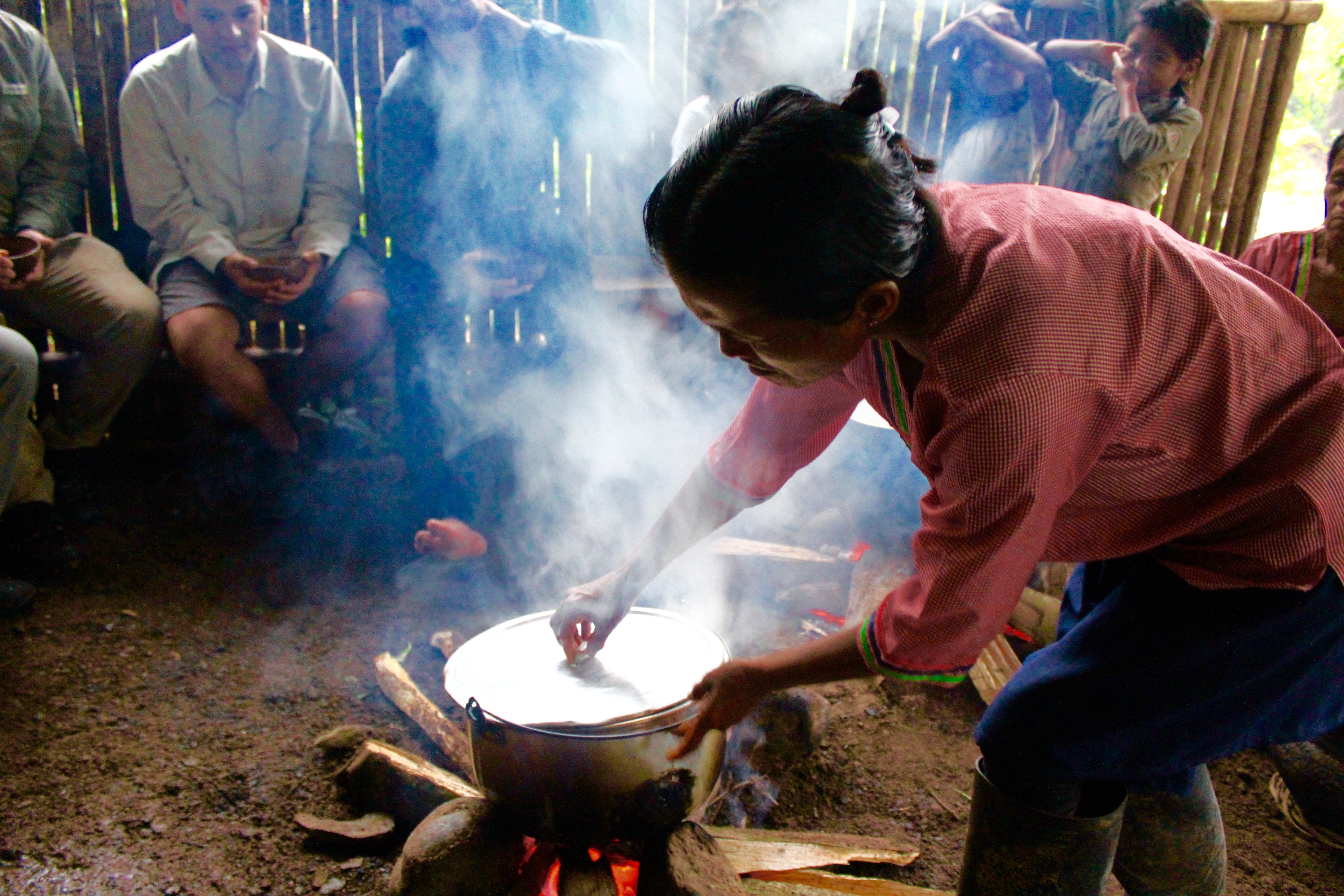
The chakra is at the heart of Amazon Learning. Chakras are living models of diversity and resilience. In a single chakra, you’ll find cacao, coffee, and guayusa grown for income, medicinal plants used for healing or value-added products, staple foods like yucca, plantains, and fruits, and natural materials like palm leaves and hardwoods for building. The system is deeply interwoven with the surrounding forest, which is often preserved for community-based tourism. The chakra meets all basic human needs—food, medicine, shelter, and livelihood—through thoughtful stewardship and ecological balance.
We see the chakra not just as an agricultural method, but as a guiding philosophy of coexistence. It is the foundation of our work and a model we support through our internship sites. All of our families and partners rely on a mix of activities to thrive, so each placement naturally engages with multiple focus areas. Whether it’s agroforestry, traditional medicine, conservation, or entrepreneurship, every path is connected, just like the chakra itself.
Daily Life
Internships begin with an orientation in the city of Tena. After, interns spend the first few weeks getting to know their host family and internship placements.
You’ll be welcomed as a member of the family, contributing to daily household life—cooking, cleaning, tending the home garden, caring for children, or helping with repairs. Each intern is placed with a family or community project aligned with their chosen focus area (such as Amazonian Indigenous Plant Medicine, Forest Foods, Social Enterprise, Ecotourism, or Conservation). The experience blends immersion with impact: you’ll participate in ongoing community work and, if staying longer than one month, co-develop a project that you lead based on your skills, interests, and the needs of the community.
Regardless of your focus, all interns and immersive travelers engage in core activities that are part of everyday life in these communities. These may include:
-
Chakra & Forest Restoration
-
Planting, composting, soil improvement
-
Harvesting and plant care
-
Trail maintenance and plant inventories
-
Reforestation projects
-
-
Raw Materials & Sustainable Livelihoods
-
Harvesting, preparing, and cooking food or medicines
-
Packaging and selling products for local markets or to bulk buyers
-
Supporting local cooperatives
-
Marketing and promotion through flyers, social media, or outreach
-
-
Value-Added Product Development
-
Transforming raw crops into products like chocolate, teas, tinctures, or crafts
-
Fermenting, drying, grinding, and packaging
-
Analyzing product life cycles and contributing to market strategies
-
-
Community, Eco, and Educational Tourism
-
Co-leading chakra tours and forest walks
-
Hosting farm-to-table meals and cooking classes
-
Supporting traditional ceremonies and storytelling events
-
Helping with visitor experiences, content creation, and logistics
-
In addition, you may support English teaching in the community or local schools. Amazon Learning will organize weekly excursions to nearby farms, healing centers, waterfalls, and cultural sites. Weekends are free for travel, rest, or exploring with fellow interns and locals.
This is a truly immersive internship that invites you to live the values of reciprocity, sustainability, and intercultural exchange—learning through doing, connecting through presence, and contributing in meaningful, grounded ways.
Travel & Accom.
The best airport to fly into is Mariscal Sucre International Airport (UIO) in Quito, Ecuador’s capital. Interns need to arrive to Quito no later than the night before their orientation begins. Quito is only 4 hours from Tena, the main city in the Napo Province. On the morning of orientation, a staff member schedules a taxi to pick interns up and bring them to Tena for training; they just has to pay the driver upon arrival.
Interns stay in Tena during orientation, and the cost of the accommodation is provided. The rest of the program is spent living with a local host family. This is an amazing opportunity to immerse in the local community, learn about the culture, and practice Spanish. Host families provide 3 meals per day, bedding, and a place to do laundry.
Requirements
We recommend that interns have an intermediate level of Spanish proficiency (or a strong motivation to learn quickly before and upon arriving!), and bring knowledge in their area of research if looking to do a personal project. Interns are expected to finance their own travel costs (international and while on site).
Further requirements include:
- Minimum 4 weeks commitment, recommended 8-12 weeks (flexibility for a minimum of 2 weeks however this could affect the price).
- Academic and/or professional experience in a related field
- Full travel & medical insurance
- Necessary vaccinations
- Necessary visa costs (Most nationalities are granted a 3-month tourist visa automatically upon arrival, and you can extend this for 3 more months for a fee while in-country. Always check specific visa requirements based on your nationality).
Costs
$750 USD for the 1st week, $550 USD* for each week thereafter.
* Currency conversions are approximate. Use xe.com for up to date currency conversion rates
** All payments incur a 5% bank transfer fee
*** Places are confirmed with a 1 week deposit.
What’s Included:
- Accommodation during orientation
- Accommodation and 3 meals a day with a host family. Includes a private room, bathroom, all bedding, and place to do laundry
- Guided pre-departure preparation
- In-country orientation that addresses risk management, culture shock, cross-cultural adaptation skills, history/culture/politics of Ecuador and the Amazon, team-building, goal-setting, and more
- 1:1 check-ins every week
- 24/7 emergency support
- Network of doctors, therapists, Spanish tutors in-country
- Access to network of experts and information databases for research support
- Exit interview and end-of-program reflection
- Alumni group and future references
What’s not included:
- Costs of flights and visa
- Costs of vaccinations
- $15 per day for food during orientation training
- Personal transportation
- Any other activities outside of scheduled program activities (white water rafting, yoga, workshops, guided jungle hikes, etc.)
Full assistance will be provided in getting all these arranged if you choose our Premium Support.
Premium Support Upgrade
We understand there’s a great deal to plan and organise for your trip. When booking a Placement, many of our participants choose to purchase our Premium Support Upgrade to benefit from the expertise, knowledge and experience of our Project Coordinators. We can provide the personal advice you need to ensure your trip is organised with excellence and planned with efficiency; ensuring the very best experience possible. Read more about how we can help you.
Tena, Napo, Ecuador
Note: Map coordinates are approximate
Past Participants Say