If you’re interested in becoming an ESL teacher, then you’re interested at the right time because the market is hot. According to the British Council, in 2015 there were 1.7 billion people who were learning and using English. By 2020, this is expect to reach 2 billion.
 And if you’re looking for teaching English in China opportunities, then you’re in luck because in China alone, there were 300 million people learning English according to Chinese Vice Premier Liu Yandong.
The market has never been hotter for you to join forces with other ESL teachers to help the eager students who are waiting to learn English. They’re going to need your help.
If you’re wondering how you can become an ESL teacher, follow these steps:
Step 1: Earn An ESL Certification
First, you’re going to need to earn a TEFL or TESOL certification that will allow you to qualify for an ESL position. These are short online courses that you can complete in a relatively quick amount of time. In some cases, for instance if you live in a larger city, you’re able to take one of these classes in-person if you wish. Study hard and pass your final test and you’re all set for step two!
Step 2: Join An Organization
 There are a number of organizations out there that you can join in order to meet people, find jobs, and gain advice. These organizations are: TESOL, AAAL, IAWE, and the ILTA. These organizations are key for getting further down the path towards become a full or part-time ESL teacher. It’s okay to join multiple organizations if you want to be as prepared as possible.
Step 3: Decide Where You Want To Go
WIth so many teaching opportunities all around the world, it’s hard to decide where exactly you want to go. If you’d like to remain in the United States, you will need to pass a state exam. If you choose to study in Spain or France, you may need to pass other qualifications. Choose your top five places to teach and begin to research the local markets in them. From there you will gain a good understand of the place that fits you best.
Step 4: Apply For Jobs
 Once you know where you wish to go, it’s time to apply for a job! Apply for any jobs that gain your interest. It’s advisable to apply to a few at a time so that you can have the best chance of getting a job. This is an exciting time, but make sure that you have all of your application requirements complete. You’re going to need proof of your certification, a resume, and maybe a cover letter. Spend some time making sure your application packet is current and looks professiona.
Step 4: Pack
Once you have the job, it’s time to pack and let the good news sink in that you’re on your way. This is a wonderful time to relax for a little while after all the hard work you’ve put in to get certified and find a job. If you’re teaching abroad, you’ll be living overseas for a long time, so packing needs to be approached a little differently than a week-long vacation.
Create a list of all the things that you need and read some blog tips on the best methods to pack effectively. It’s important to not stress over not being able to bring everything you want to because you’ll be able to buy those things in your new country.
Step 5: Adjust To The Culture
Now that you’re all packed, it’s time to do your best to adjust to the culture before you arrive. There’s always going to be culture shock, but you can help to minimize it so you’re a little less surprised at local customs. Watch plenty of documentaries about the country and read books on it as well. This should help you begin to understand the country before you arrive.
Step 6: Join A Language Class
While knowing the native tongue isn’t a requirement, you may as well learn another language while you’re there too, right? If the new country speakers another language, see what language classes are offered that you can join. Pick up a phrase book and use tools such as Duolingo to help you get the basics down.
Sadly we cannot cover everything about teaching English as a second language in only 800 words, but this article should serve as a wonderful jumping off point so that you can get started on your quest. Teaching English is a rewarding experience that will provide you with a lifetime of memories. We wish you the best of luck in your endeavors!

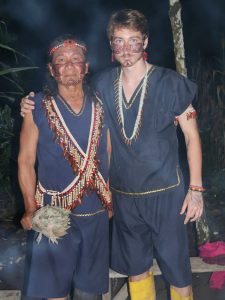 elementary schools in Nicaragua and Guatemala and in bioconservation in Costa Rica. However, in all my experiences I always felt as if something important was missing. I was there, bearing witness to the devastation of the longstanding hemispheric imbalance of North and South – an imbalance which has put the South through a downward spiral, resulting in economic dependence, depleted resources, and erosion of culture. My past volunteer experiences were positive because I learned more than I could have ever imagined and walked away with a completely changed perspective of the world we all share. Yet, outside of gaining insight and providing temporary support, I did not leave feeling I had left a permanent impact. I did not provide much long term support to the people where I was volunteering. I helped the stressed out teacher by splitting the class in two so she could focus on the kids that needed more attention. I helped out the tired and relentlessly dedicated turtle conservationists, who had their first break from nightly seven hour patrols because we were able to take over their duties for a week. However, these were short term, small drops of positive impact, and although certainly worthy, did not provide longstanding benefits to the organizations which is what I was yearning to learn how to do.
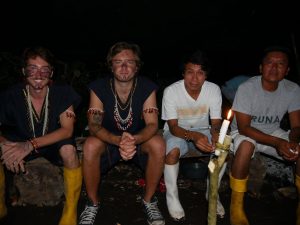 (tea) farmers to organize community banks. I attended dozens of community bank workshops where representatives from different rural communities would meet with each other and Runa staff to develop systems for finance, investment, and problem solving. My favorite part of these workshops was always the end, when a farmer would stand up to express genuine gratitude for how we were able to help them. It was because we worked alongside the farmers, giving them the tools to develop their own means of organization, that these workshops were so effective. Instead of throwing money at them or initiating our own projects, we helped to implement a method of community investment that was sustainable, even once we were gone and our work was done. I always left those meetings with a feeling of fulfillment, and an understanding that to have the positive impact that I had desired when I was in Costa Rica the month before, you must start small.
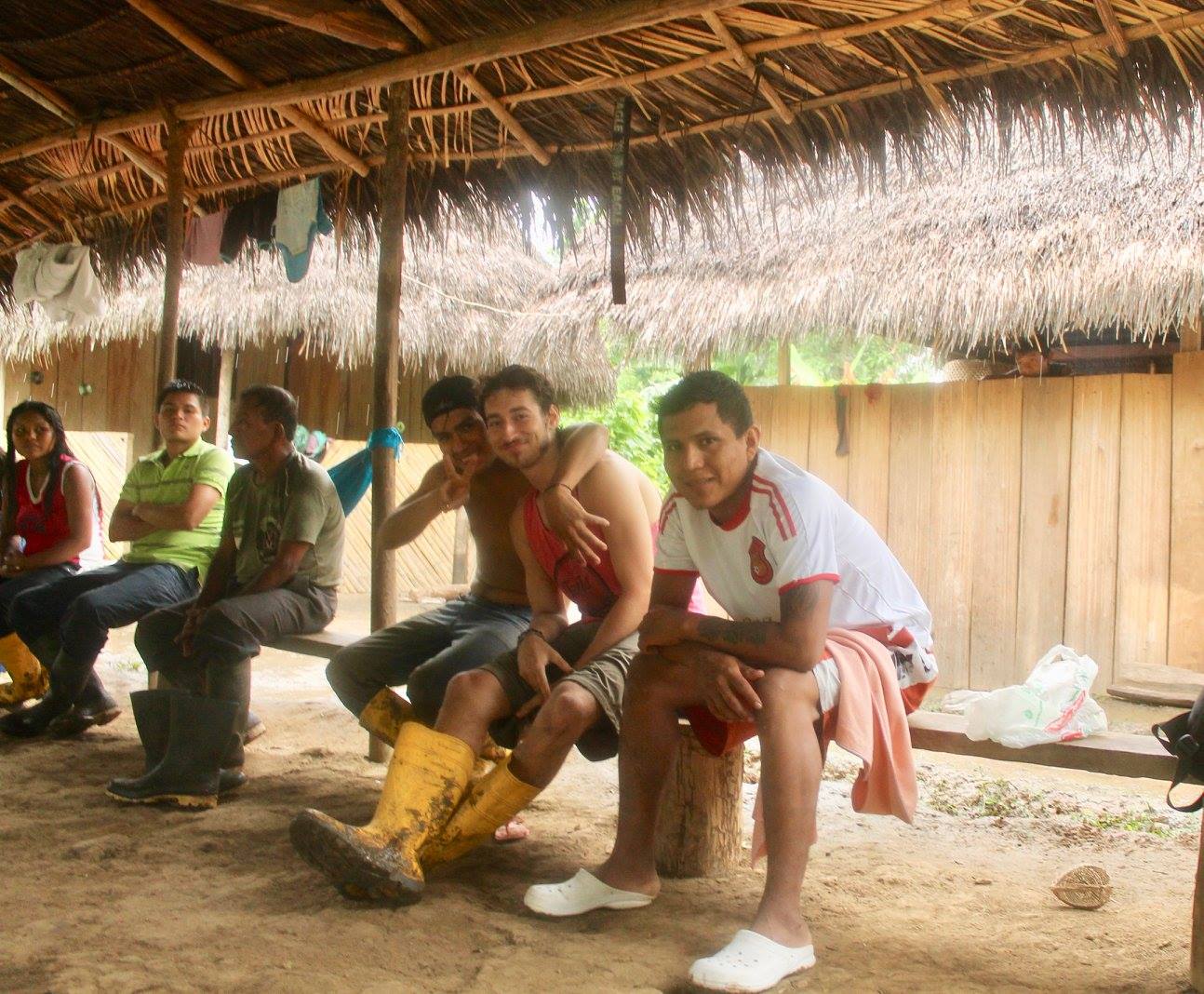
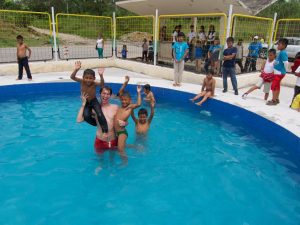 During my time at Runa, I built many deep and meaningful relationships with people from all different backgrounds. I had the opportunity to live with an Ecuadorian family for over half of my internship, which was more immersive and rewarding than anything I have ever done. The two places in the world I can say I truly feel at home is where I grew up, in Portland Oregon, and with my host family in San Pablo, Ecuador. In San Pablo I was able to see and experience first hand Amazonian life and culture. I encountered some of the difficulties that come with living in rural Ecuador, but most of all, I became absorbed in what I consider one of the most beautiful, vibrant, relaxed and friendly cultures in the world. As I get ready to say goodbye to my host family, I can be sure that I left behind a positive impact, as I am leaving as a friend, brother, son and cousin.