Description
Marine Professional Development Program
Location: Jangamo Bay, Mozambique
Duration: 5 weeks
Start Dates: See the Daily Life section for start dates
Cost: £2150 GBP for 5 weeks – see ‘Costs’ tab for further details
Benefits:
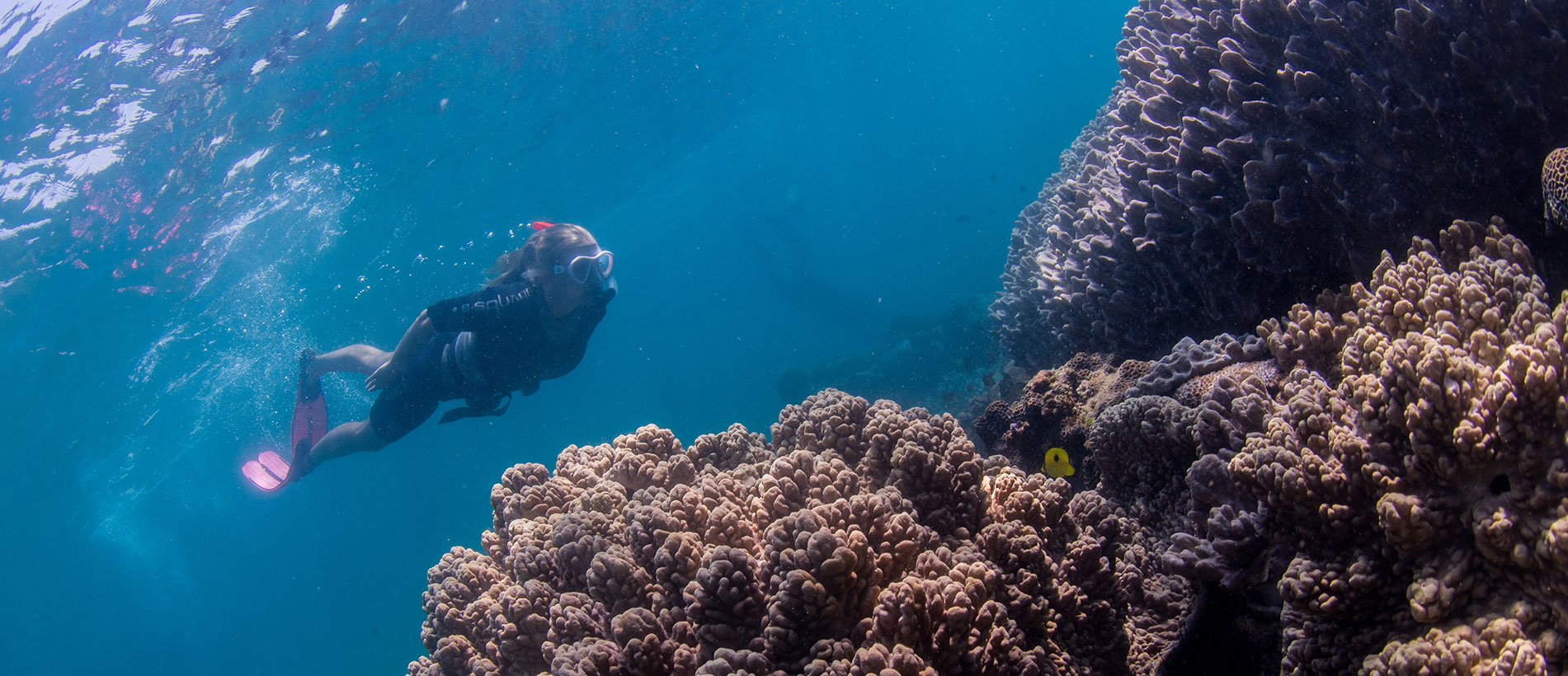
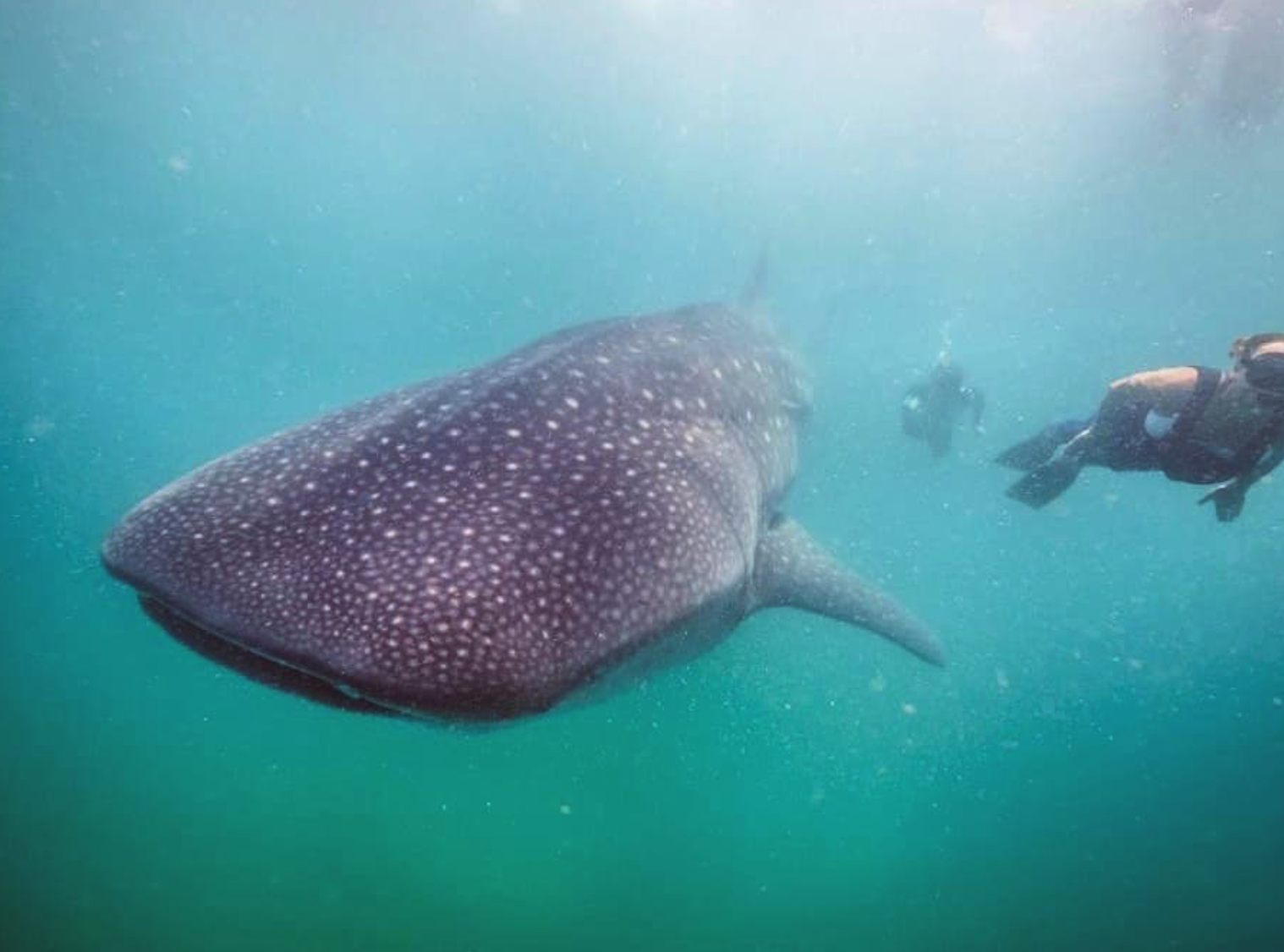
- Work closely with our qualified international marine biologists helping with humpback whale, coral reef, fisheries, megafauna (whale sharks & manta rays) and ocean trash research.
- Gain hands on experience in tropical marine biology field work and see the inner workings of a micro non-profit NGO.
- Experience the Mozambique culture, teach marine conservation and contribute to a world-first data set with a true mission.
Introduction
The organisation you will be participating with is a charitable non-profit marine conservation organisation, aimed at using extensive research, education and diving to create a more sustainable future for the communities of Mozambique and beyond. The area of the project is home to a wide variety of species, including many varieties of sharks, rays and whales, and is an incredibly rich bio-diverse area – we want to keep it that way!
To date, the marine area has never been subjected to in depth academic study, which is why the organisation was set up here specifically. Your help is needed to ensure its protection in a sustainable manner for the local community. Ultimately the goal is to create a Marine Protected Area for the Inhambane Province in Mozambique, and achieve higher biodiversity and protect endangered species.
You are invited to be a part of our cutting edge ethical volunteer programme, enabling you to gain experience and contacts with marine biologists, as well as local community elders and stakeholders. You will have a hand on everything ranging from marine conservation action and research to teaching water safety in local schools.


Daily Life
You will receive training in a wide variety of areas which include;
- Aerial survey training (drones)
- Megafauna Research (visual surveys & bioacoustics)
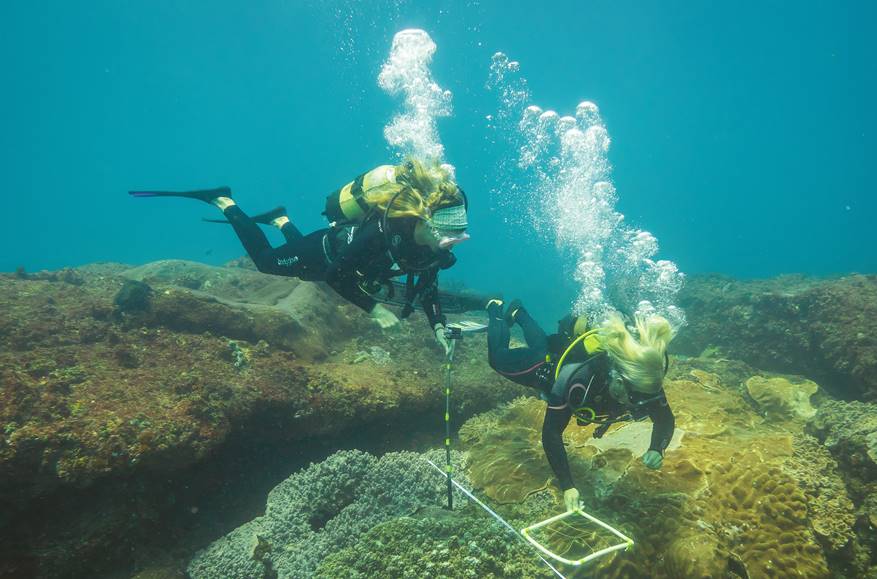
- Scientific Dive Training
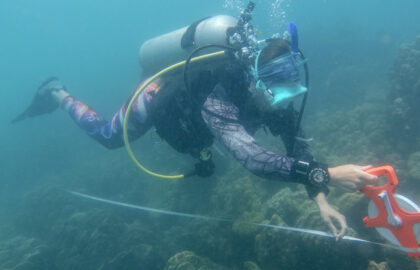
- Coral Reef Surveying (biodiversity surveys, coral reef analysis)
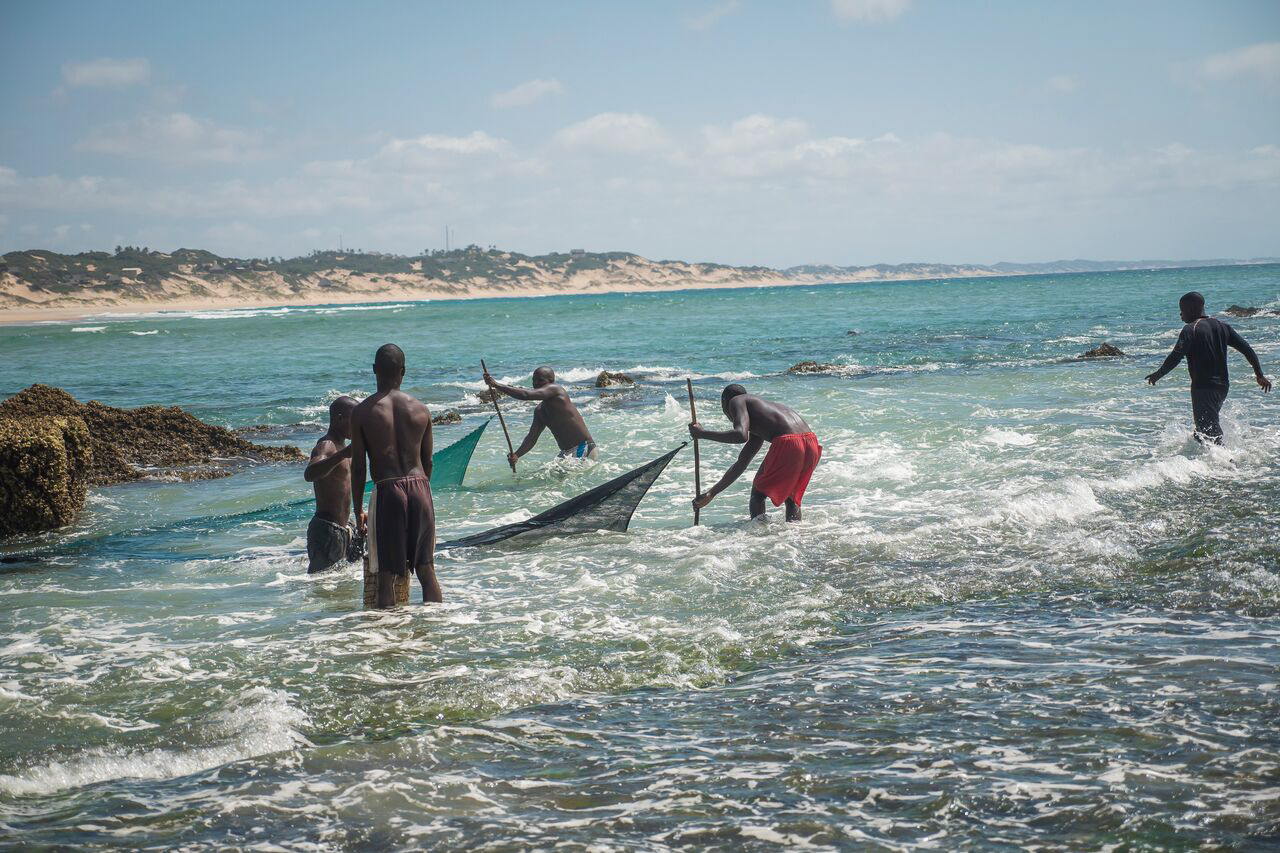
- Fisheries research (landing site surveys)
- Conservation Science Training
- Data handling
- Grant writing training
- CV workshop
- Survey Design And Development
- Assist in ocean literacy outreach
- Ocean trash research & up cycling training
- Support Swimming Lessons For Local Kids
In your first week with us, after you have settled in, your program will start with training. Although everyone is studying or has studied a related subject to university level or equivalent, different universities cover different modules so we need to make sure everyone is familiar with our research areas, is aware of the expectations of the Research Assistant Role, and is confident in our scientific methodologies to ensure robust data collection to enable us to publish peer-reviewed papers with the data. This program is suited to anyone wishing to kick start their career in marine conservation.
We aim to provide you with the knowledge and skills understand the need for real-world holistic conservation work, and to allow you to go on to develop your own projects and continue in conservation science. You will participate in a series of educational lectures led by our qualified marine biologists during your first week with us, based around our specific areas of research and community outreach. Want to use the data for your dissertation? No problem. Please enquire with us. If you are not already Scuba certified, we can also arrange for PADI Open Water Diver training before the program start date, to get you ready for conducting research.
Dates for 2026
5 week program
19th April – 24th May
24th May – 28th June
28th June – 2nd August
9th August – 13th September
13th September – 18th October
2 week program
22nd February – 8th March
8th March – 22nd March
22nd March – 5th April
5th April – 19th April
Following the training phase, you’ll rotate between five core conservation areas:
1. Sustainable Fisheries Monitoring
You’ll join our data collection team at fisheries, identifying and measuring catches, engaging with local fishers, and helping log catch per unit effort (CPUE) data. This information directly supports efforts to create a locally-managed marine protected area and shape sustainable fishing policy.
2. Megafauna Monitoring
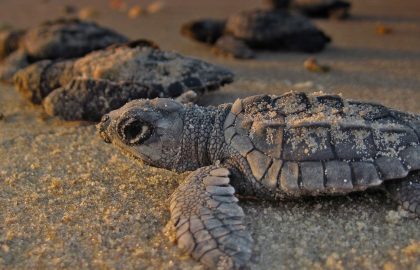
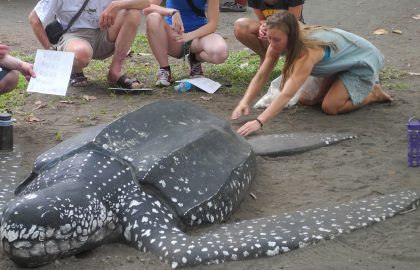
Get involved in land-based, boat-based, and even aerial surveys to record sightings of marine megafauna like humpback whales, dolphins, turtles, and sharks. These surveys contribute to species abundance assessments, helping us track critical species that form part of the ecosystem’s health.
3. Coral Reef Biodiversity and Health Surveys
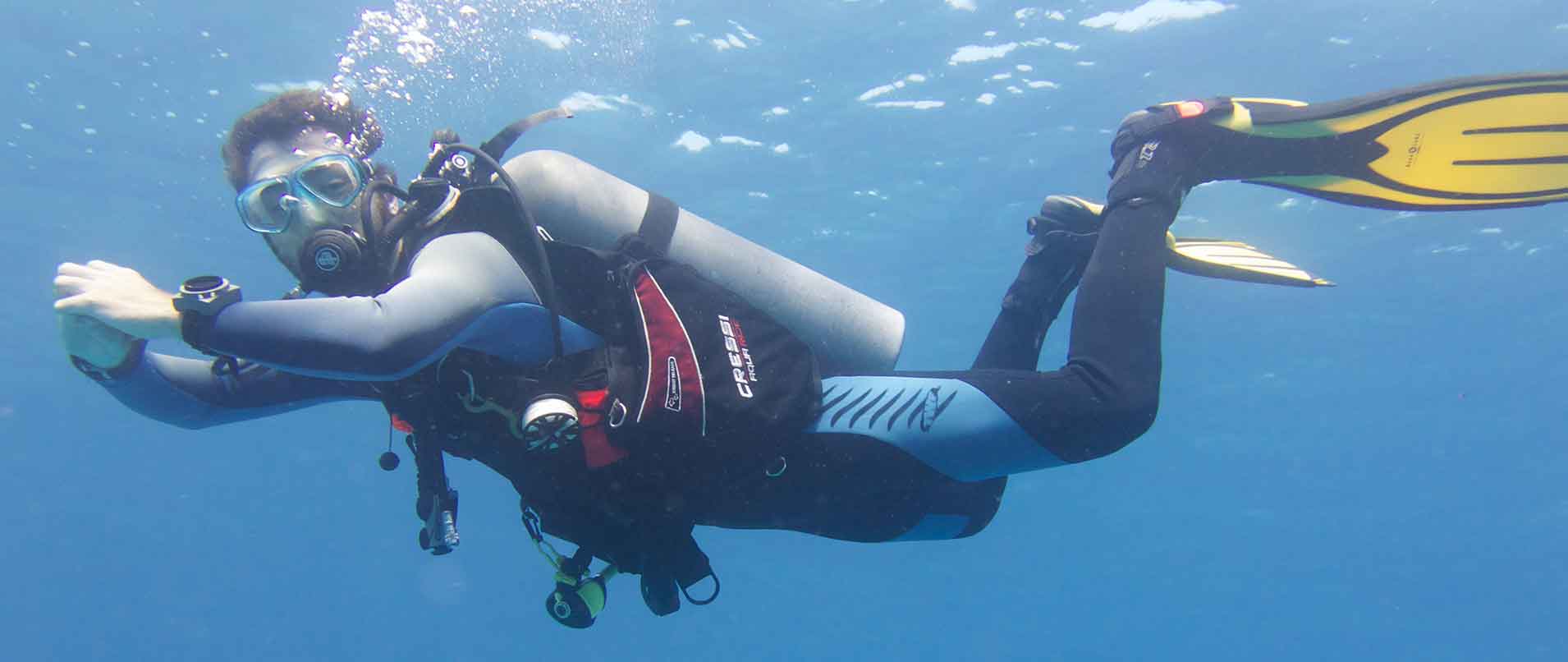
For those who are dive-qualified, this involves underwater coral and fish ID surveys, collecting data that feeds into our coral health assessments. You’ll learn reef monitoring protocols and how to record data underwater. If you’re not yet qualified, we can help arrange a PADI course locally before your fieldwork begins.
4. Ocean Trash Research and Marine Debris Management
Join the team for coastal cleanups and trash transects, where you’ll log debris types and quantities and contribute to our long-term dataset on pollution in the bay. You’ll also assist with innovative upcycling designed to shift behaviour at the community level.
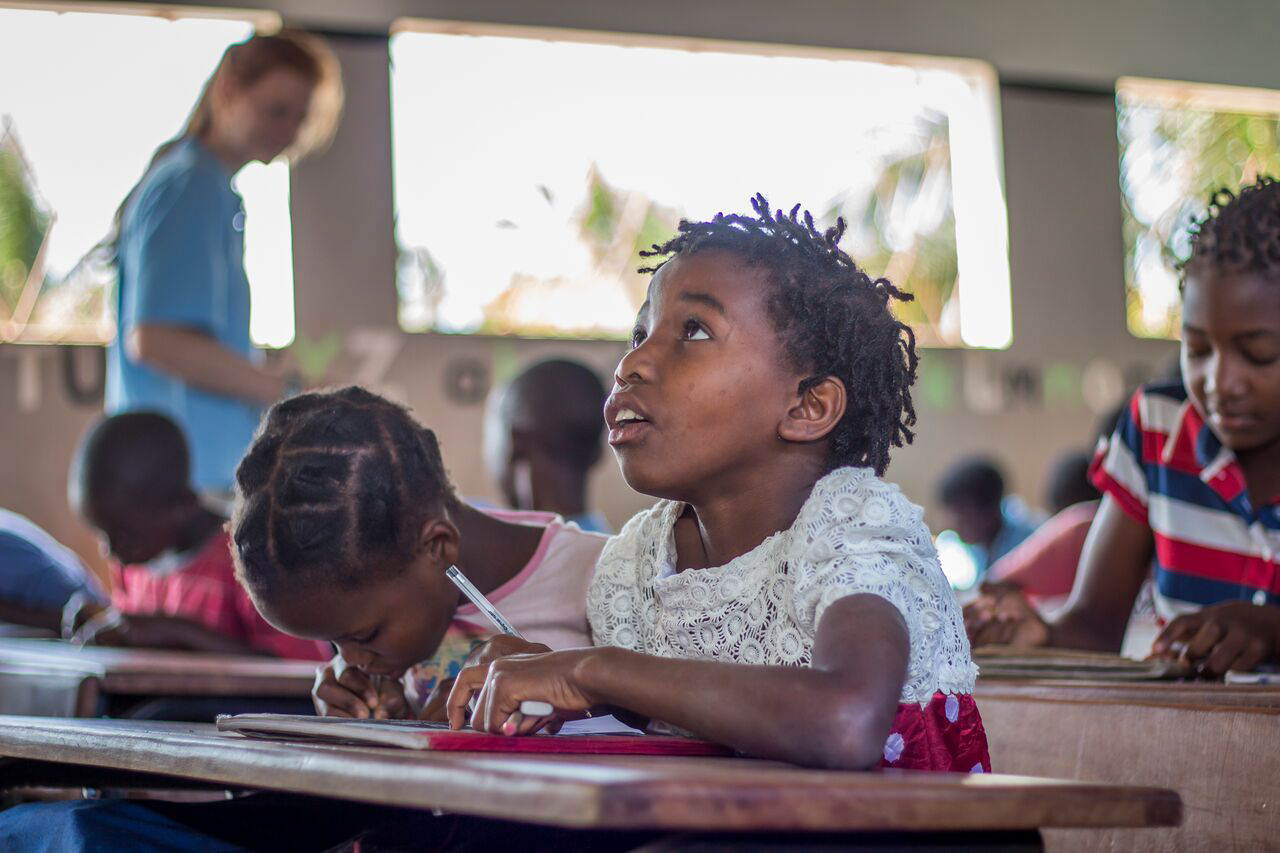
5. Community Outreach: Ocean Literacy & Swimming Access
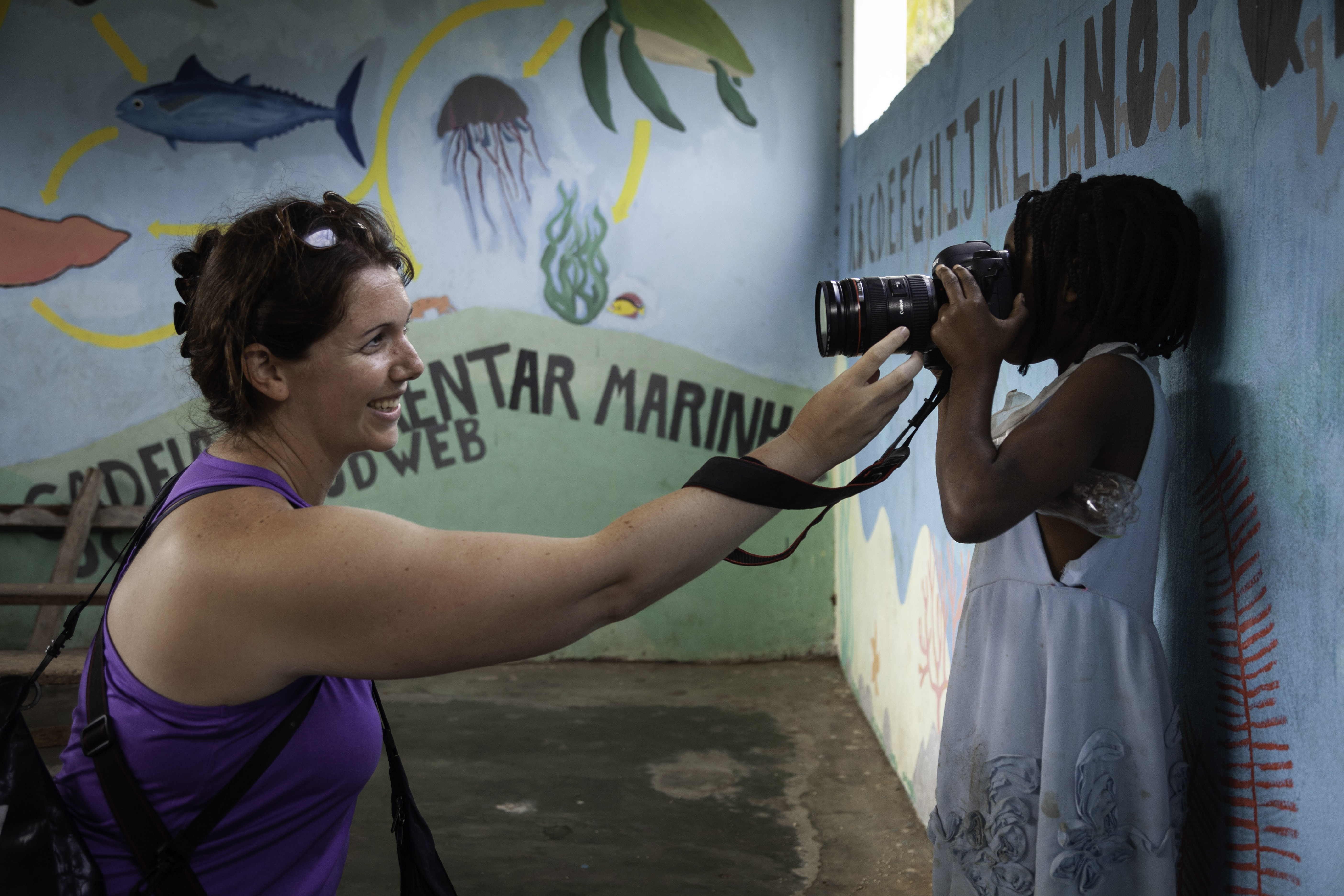
You’ll support our local Ocean Literacy programs by assisting our Community Outreach Manager with marine education classes in schools or contributing to our free swimming lessons – a vital part of our work to increase ocean access and safety in the region. You may help deliver interactive lessons or support community workshops alongside our local educators.
Your daily schedule will depend on which project you’re supporting that day. Some activities take place early in the morning (e.g. fisheries data collection), while others, like reef surveys or school outreach, may happen later in the day. You’ll typically conduct the fieldwork in the mornings and afternoons, logging the data late afternoon on the same day. Evenings may involve data entry, group discussions, or optional talks and workshops delivered by our team.
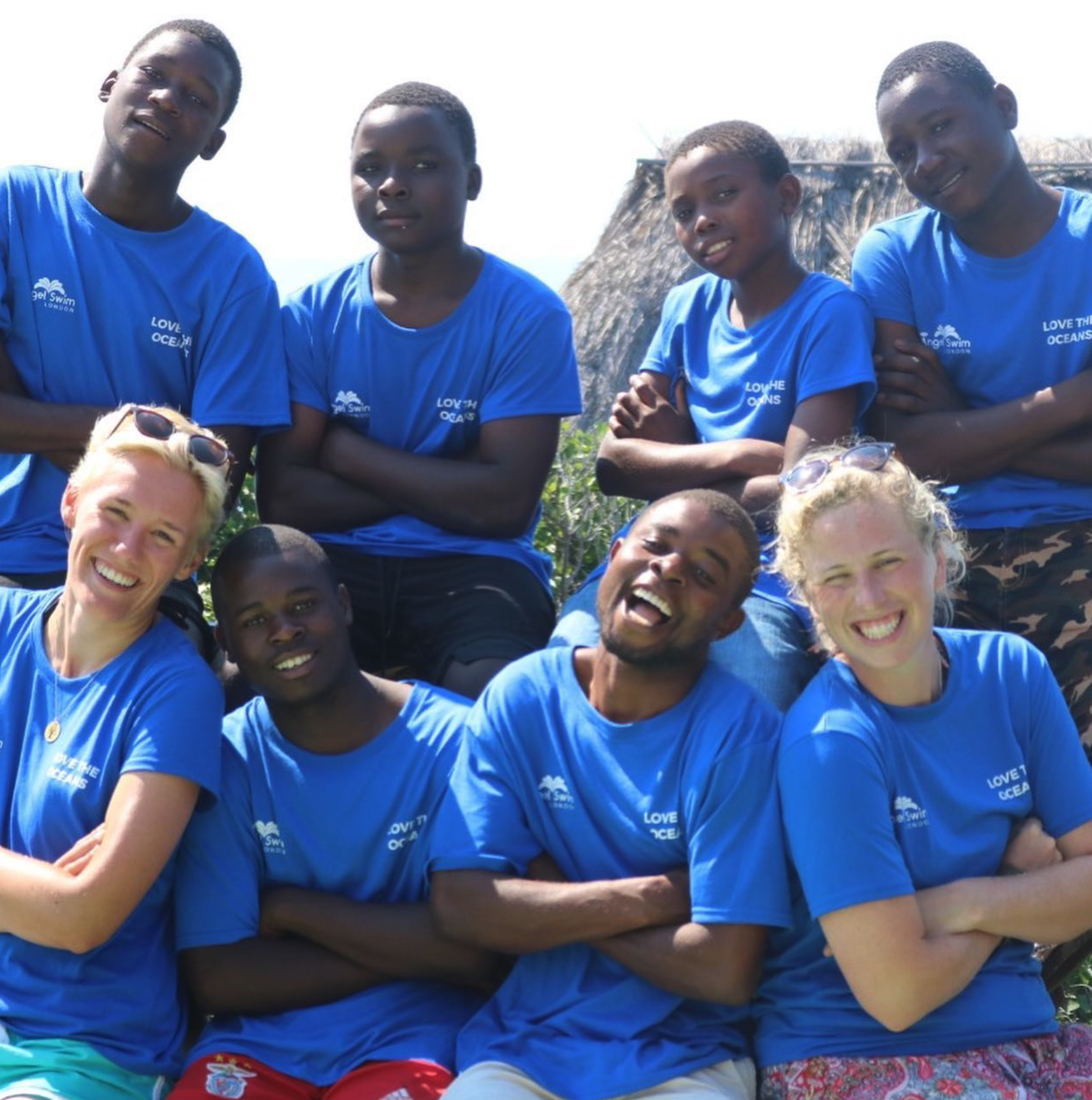
Throughout the program, you’ll be working alongside qualified and experienced marine biologists and conservationists who will provide supervision, mentorship, and feedback. You’ll also become part of a passionate, international community of like-minded ocean advocates – living, learning, and working together in a beautiful coastal region rich in biodiversity.
This is not a traditional volunteering experience. It’s an intensive, field-based training expedition designed to prepare you for a career in marine conservation while making a tangible impact.
Much more detail on each of these activities will be made available during the application process, but you can also request further details at any time, by clicking the Ask Question button above and speaking directly to the project coordinator.
Extra Activities
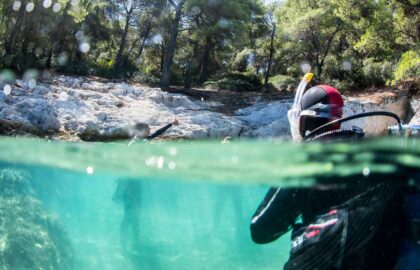
As you can imagine, there is so much to see and do nearby. You can participate in many organised different experiences from a Surf Trip & Lessons, SUP and boat Trips & snorkeling, City Walking Tours and of course an amazing Safari. You can participate in the safari at the end of your program where we’ll take you down to South Africa where you will spend 5 nights learning about the bush, terrestrial ecology and the incredible South African landscape.
If this is of interest, let us know and we can give you more details.
Travel & Accom.
You will be met at Inhambane Airport by a project staff member and accompanied to the project location.
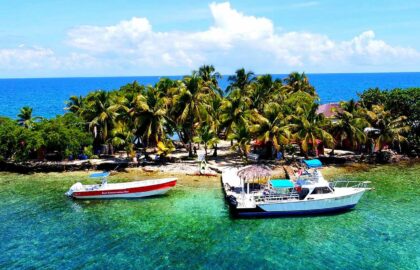
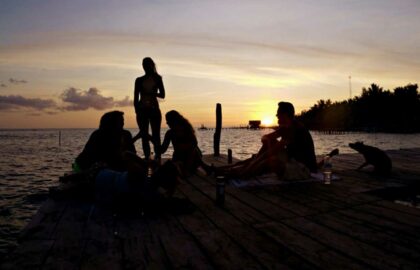
You will be staying by the beach in Jangamo Bay, backpacker style with a max of 4 people per room, option of gender neutral or gender separated rooms. You will be fully catered for, so you just need money for drinks, data and treats. Bedding and mosquito nets are provided. Running water/power is available, with the exception of a few cuts!
WIFI is not available, but you can buy a local SIM to access the internet through mobile data. You must make sure your phone is unlocked from your home NETWORK before you arrive in order for your mobile device to be able to connect to a Mozambique provider.
Requirements
- Min age 18
- You must be studying a related subject at university level or equivalent
- You must be PADI certified by the programme start date – we can provide training beforehand if needed
- Reasonable physical fitness, you will be diving regularly
- Swimming Ability: You will need to be able to swim 200 metres and tread water for 10 minutes unaided as per PADI prerequisites.
- Minimum 5 weeks including the Training week
- Good English
- Full travel & medical insurance
- Full Vaccinations
- Necessary flights & visas – Full assistance to get all this arranged available with our Premium Support.
Costs
£2150 GBP for 5 weeks placement
£1100 GBP for 2 weeks placement
* Check XE.com for currency conversions
** All payments incur a 5% bank transfer fee
*** Places are confirmed with a 20% deposit
What’s Included:
- Airport transfers
- Accommodation (35 nights)
- 3 meals a day (B/L/D)
- All snorkelling and diving required for the program
- Scientific dive training
- All activities listed in this booklet
- Diving kit hire
- Training, guidance and mentoring by qualified LTO marine biologists
- Local cultural tour
- CV workshop
- 24 hour on-site & UK office support
- Pre-departure and Visa support
- Membership to LTO’s alumni job network
What’s not included:
- Flights
- Visa expenses and insurance
- Optional extra activities
- Extra drinks or any food other than specified
Premium Support Upgrade
We understand there’s a great deal to plan and organise for your trip. When booking a Placement, many of our participants choose to purchase our Premium Support Upgrade to benefit from the expertise, knowledge and experience of our Project Coordinators.
We can provide the personal advice you need to ensure your trip is organised with excellence and planned with efficiency; ensuring the very best experience possible. Read more about how we can help you.
Mozambique
Note: Map coordinates are approximate
Past Participants Say