Description
Location: Imperia, Italy
Duration: minimum 1 month commitment
Start Dates: Placements are available from March to October
AVAILABILITY FOR 2026:
- Monthly Program (minimum 30 days): We have places from March to October at this moment (starting always on the 1st of the month and ending on the 30/31)
Cost: from €1800 for the first month. See the Costs section for more details.
Benefits:
- Learn diverse methods for studying marine mammals in their natural habitat
- Gain practical experience in cetacean field research
- Deepen understanding of cetacean, seabirds and sea turtles ecology, biology, behaviour, and physiology
- Develop the ability to recognise various cetaceans, birds, reptiles, and fish species in the Mediterranean environment
- Acquire knowledge of standard procedures in fieldwork data collection
- Explore potential for further analyses based on collected data
- Receive a comprehensive and hands-on learning experience for a future in marine biology and research.
Intro.
Embark on a transformative 30-day internship opportunity, situated in Imperia, at the heart of the International “Pelagos” Sanctuary dedicated to the preservation of Cetaceans. Our comprehensive program offers specialized training in cetacean studies and marine fauna, catering to aspiring marine biologists/researchers and individuals with a keen interest in the field of marine science.
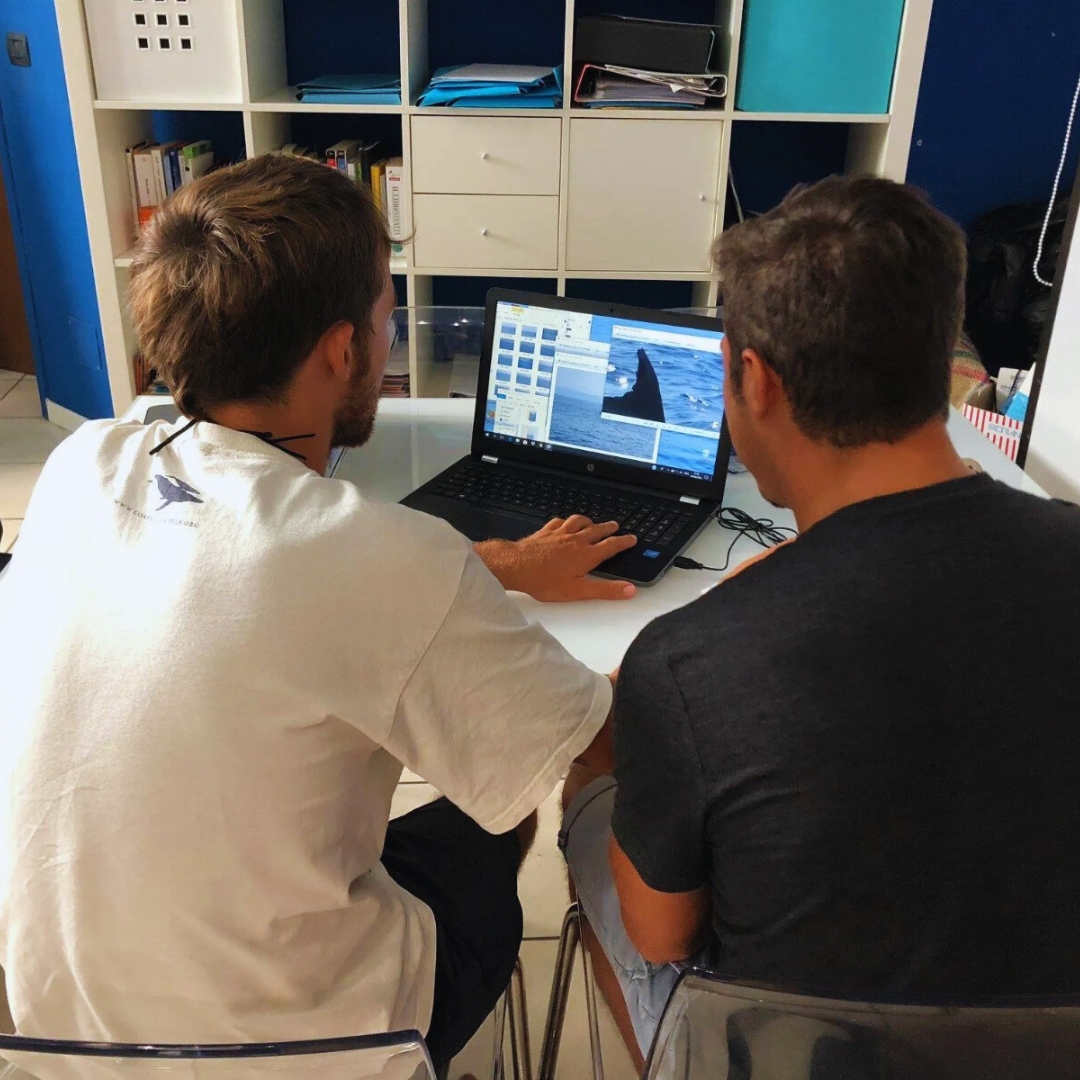
Beyond venturing into the sea for monitoring surveys of dolphins and seabirds, participants will engage in data analysis, photo-identification of bottlenose dolphins’ dorsal fins using specific software, and attend lectures on marine mammals, marine fauna, and research techniques. Additionally, our affiliations with multiple universities provide opportunities for students to conduct their theses and earn formative credits through collaborative research experiences. Join us in this immersive internship to nurture your passion for marine biology and contribute to the conservation of marine life.
Project Background
In the Ligurian Sea, bottlenose dolphin has been extensively studied only in the Eastern area, between Genoa and La Spezia, which represents, for a series of features of the seafloor, a perfect habitat for this species.
On the contrary, in the Western part, no research organization or scientific foundation has conducted studies focused only on bottlenose dolphins because, due to the morphology of the sea bottom, sightings have always been more sporadic than the opposite side. The continental shelf is very narrow and short and high depths (around 2000 m) are reached close to the coast. This makes the area suitable for other cetacean species but not ideal for bottlenose dolphins, which tend to remain in coastal waters.
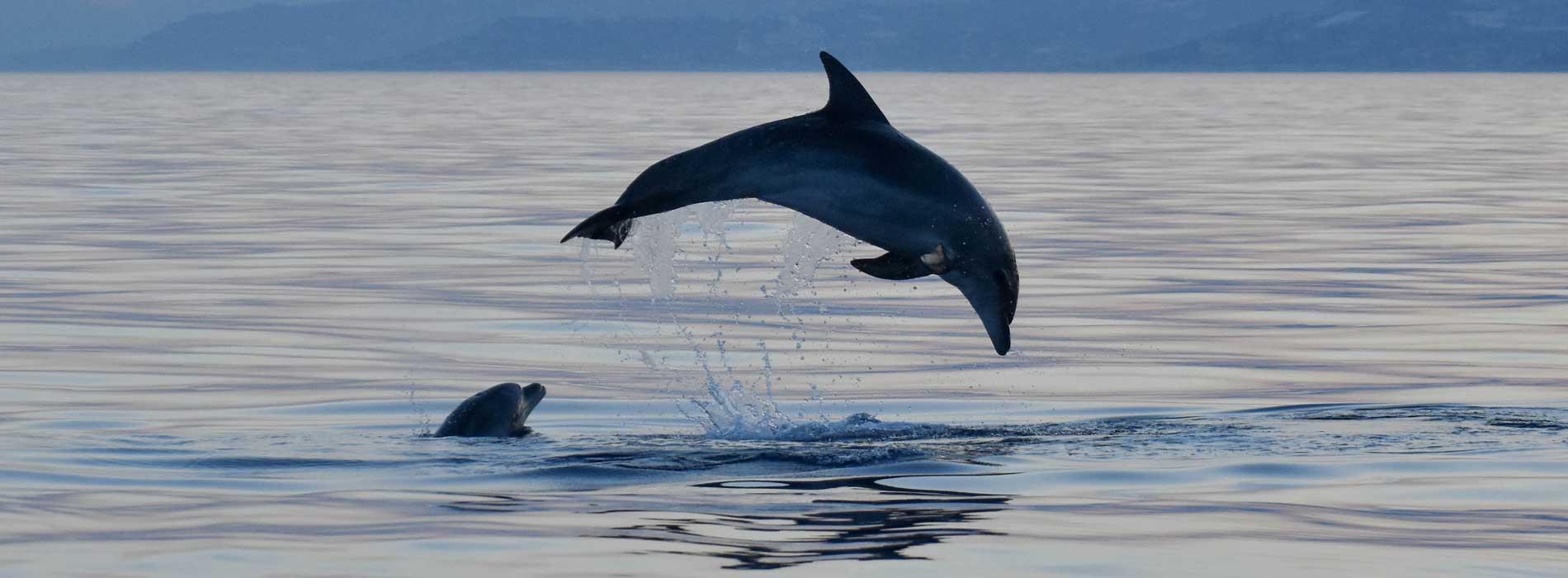
Since April 2018, the beginning of our project, we have been demonstrating that this species is regularly present all year round, also in this part of the basin, with a high occurrence and great numbers. The project is structured on an annual basis to obtain data not only on the distribution during the Summer but also changes during the different seasons. Data from this study are being used to create a baseline for a long-term project, monitoring bottlenose dolphins in this part of the Ligurian Sea, and information needed to suggest and create conservation plans for their protection.
Marine Birds and Other Fauna Research Project
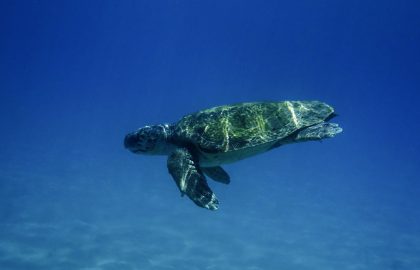
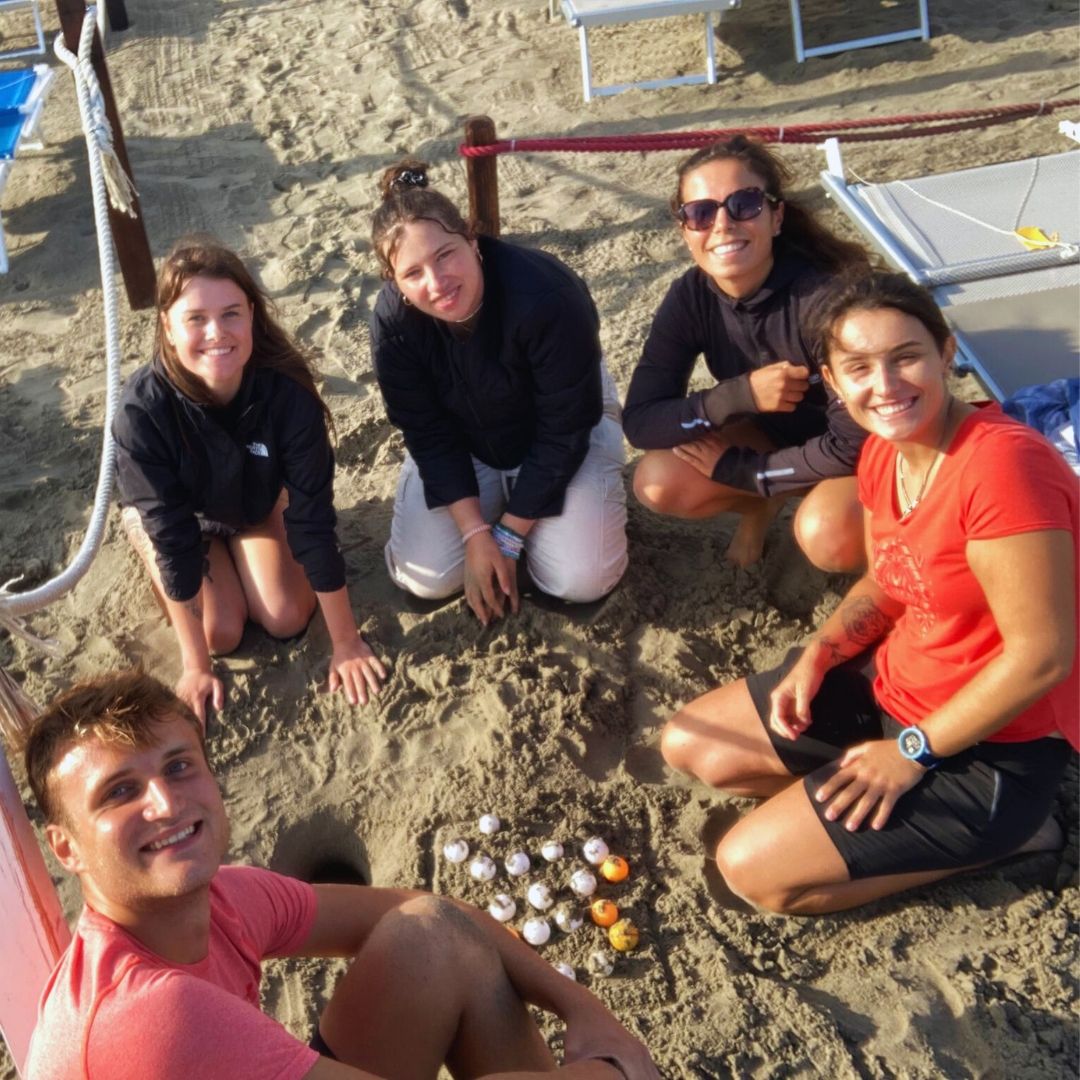
During our surveys, we collect data on the presence of other cetacean species and on several species of marine birds, fish and sea turtles that can be sighted. Our database of marine fauna provides interesting information about the seasonal presence of Mediterranean shearwaters (Puffinus yelkouan), Scopoli’s shearwaters (Calonectris diomedea), Northern gannets (Morus bassanus), Sandwich terns (Thalasseus sandvicensis), sunfish (Mola mola) among others. Since 2021, the Ligurian region has been interested in a new phenomenon: the nesting of loggerhead sea turtles. Although still considered sporadic, we already see a rapid increase in these events. In 2024, for the first time, we had 3 nests in our study area and 6 in 2025. For this reason, we started a pilot project in Imperia where interns will conduct early morning beach surveys to look for nesting attempts from sea turtles that occurred at night (theory on track recognition will be provided beforehand).
Research Topics
● Groups and social structure analysis: to study the interactions and associations between individuals
● Abundance: estimation of the local population size
● Distribution, occurrence and movements to understand if the animals perform movements and migrations, even seasonal, towards the
neighbouring areas.
● Identification of hot spots or areas with greater importance.
● Identification of the main threats which dolphins may incur and thereforethe creation of management and conservation plans for their protection. Interaction with fisheries
● Distribution and occurrence of seabirds, with a focus on seasonal variability.
● Sea turtle monitoring and nests management (not guaranteed)
Methods and data collection
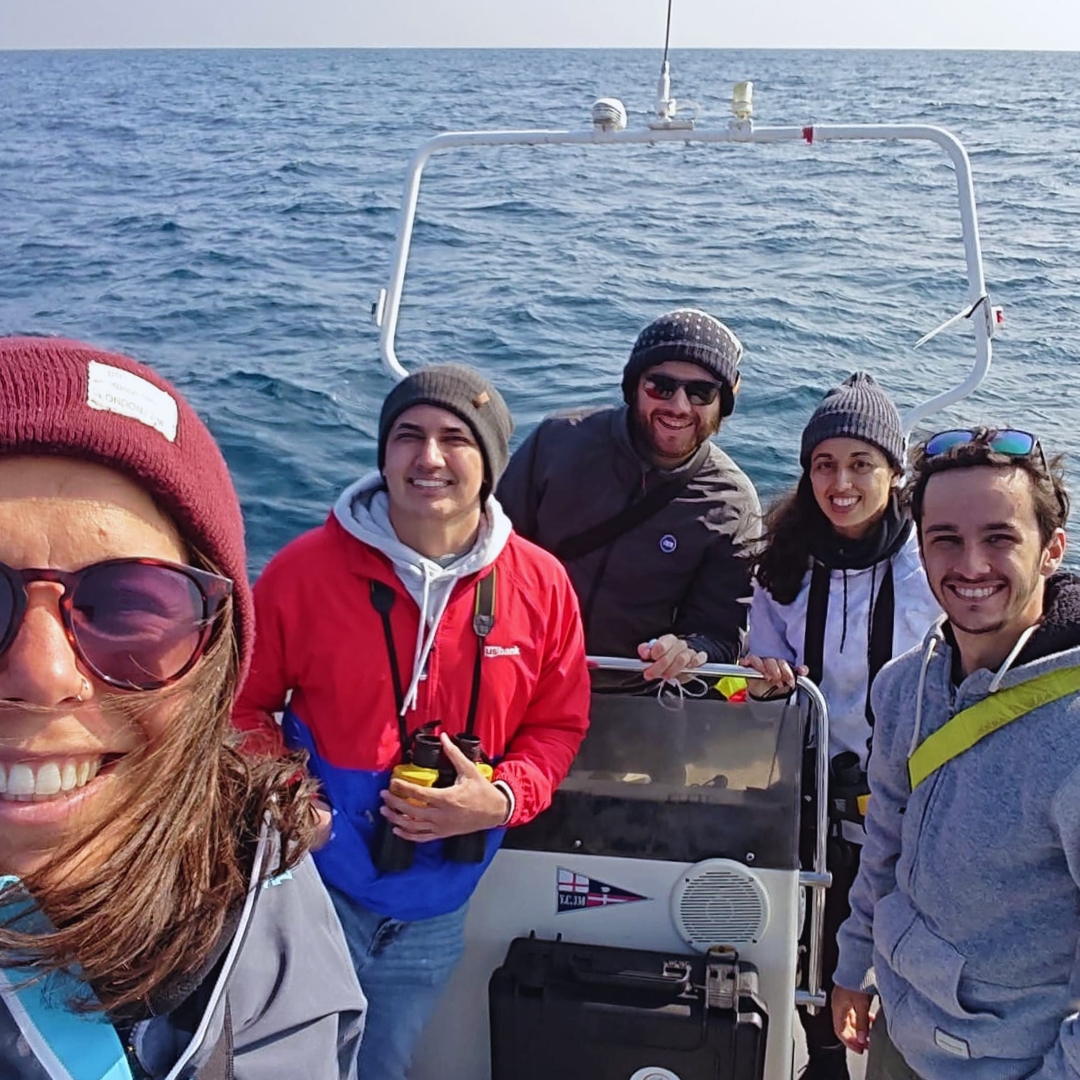
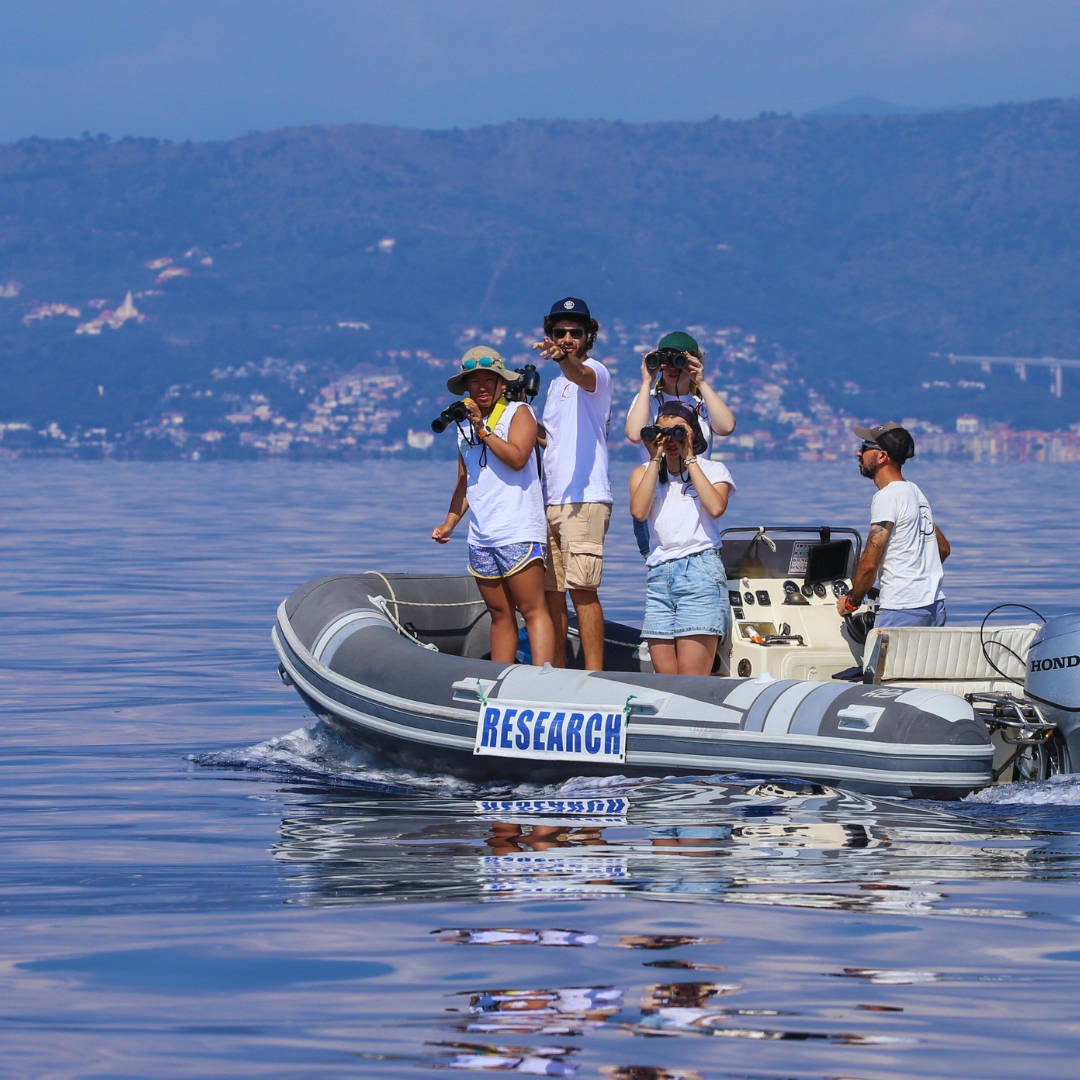
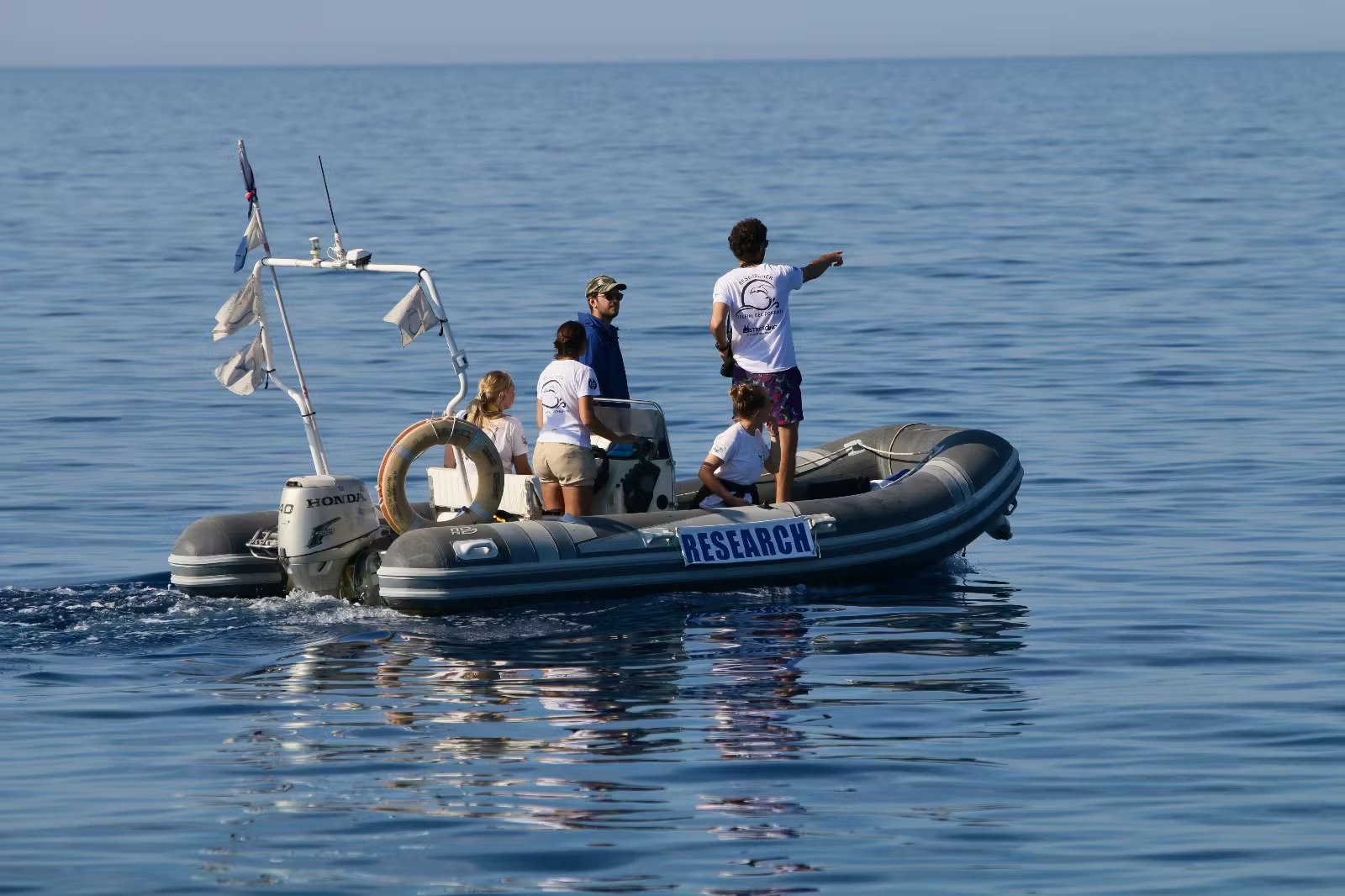
The project is a long-term coastal project. Data are collected during dedicated boat-based surveys conducted from a 5.2 m zodiac equipped with a 40 hp outboard engine, based in the port of Imperia, with 4/5 crew members. Surveys are carried out in favourable weather-marine conditions (Beaufort ≤3) around 10 times a month. The main effort is focused on collecting images, which will be used to identify the sighted animals, through the technique of photo-identification. Environmental conditions, marine traffic, geographical locations and dolphins’ behavioural data are among the data collected at sea. Data are also collected during land-based surveys or along the beach (in summer for turtle tracks and nests)
The study area and the Pelagos Sanctuary
The study area, which extends from Capo Noli to the France border, from the coast to the bathymetric of 500m in depth is located in the Ligurian Sea, a basin that shows very particular features, especially in its Western part where it reaches remarkable depths very close to the shore.
In western Liguria, the continental shelf, which by definition extends from the shore to 200m deep, is little expanded and in a few nautical miles the bottom reaches more than 2500 metres in depth. The continental slope is crossed by many submarine canyons in the area. Other important oceanographic and climate parameters contribute to make this area unique for marine life.
Thanks to all these features the Ligurian basin is considered to have the highest presence of cetaceans in the whole Mediterranean Sea. For this reason, in 1999, the governments of Italy, France and the Principality of Monaco signed an agreement that sanctions the establishment of a marine protected area, called the International Pelagos Sanctuary.
The area, which extends for 96,000Km2 houses regularly 8 cetacean species: fin whale, sperm whale, striped dolphin, bottlenose dolphin, pilot whale, common dolphin, Risso’s dolphin and Cuvier’s beaked whale. Mobula rays, sea turtles and several marine bird species are regularly present too.
Daily Life
Programme and schedule
Participants will assist researchers while working on board dedicated research vessels. Interns will be involved 5/6 days a week, 6-8 (up to 10-12 in case of fieldwork) hours/day (depending on fieldwork or office work), and also during the weekend if the weather is favourable. The programme is highly flexible and with possible last-minute changes due to the changeable weather. The programme is not scheduled in advance, and the activities for the next day are often communicated in the evening (before 21:30). The coordinators make every possible effort to switch between field and office work during the week, but this is not always possible due to the weather constraints. It can happen, for example, to go to the field 4 days a week or the opposite, to stay in the office for a whole week. *The month of September has a different programme. See below for details
Fieldwork
● BOAT-BASED SURVEYS: Interns will help and participate in collecting different kinds of data and actively searching for animals. Usually, a survey lasts 5 to 8 hours (rarely up to 12), and it requires the use of binoculars for most of its duration. To facilitate the search for wildlife, it is required to stand while using binoculars. Fieldwork will help participants gain first-hand experience in collecting data on free-ranging cetaceans and improve skills in cetacean boat-based surveys. Surveys are weather-dependent, and a monthly number is impossible to know in advance.
● BOAT MAINTENANCE: Interns will regularly help with refuelling. They will also help with the maintenance, cleaning and reorganising of the zodiac during the month.
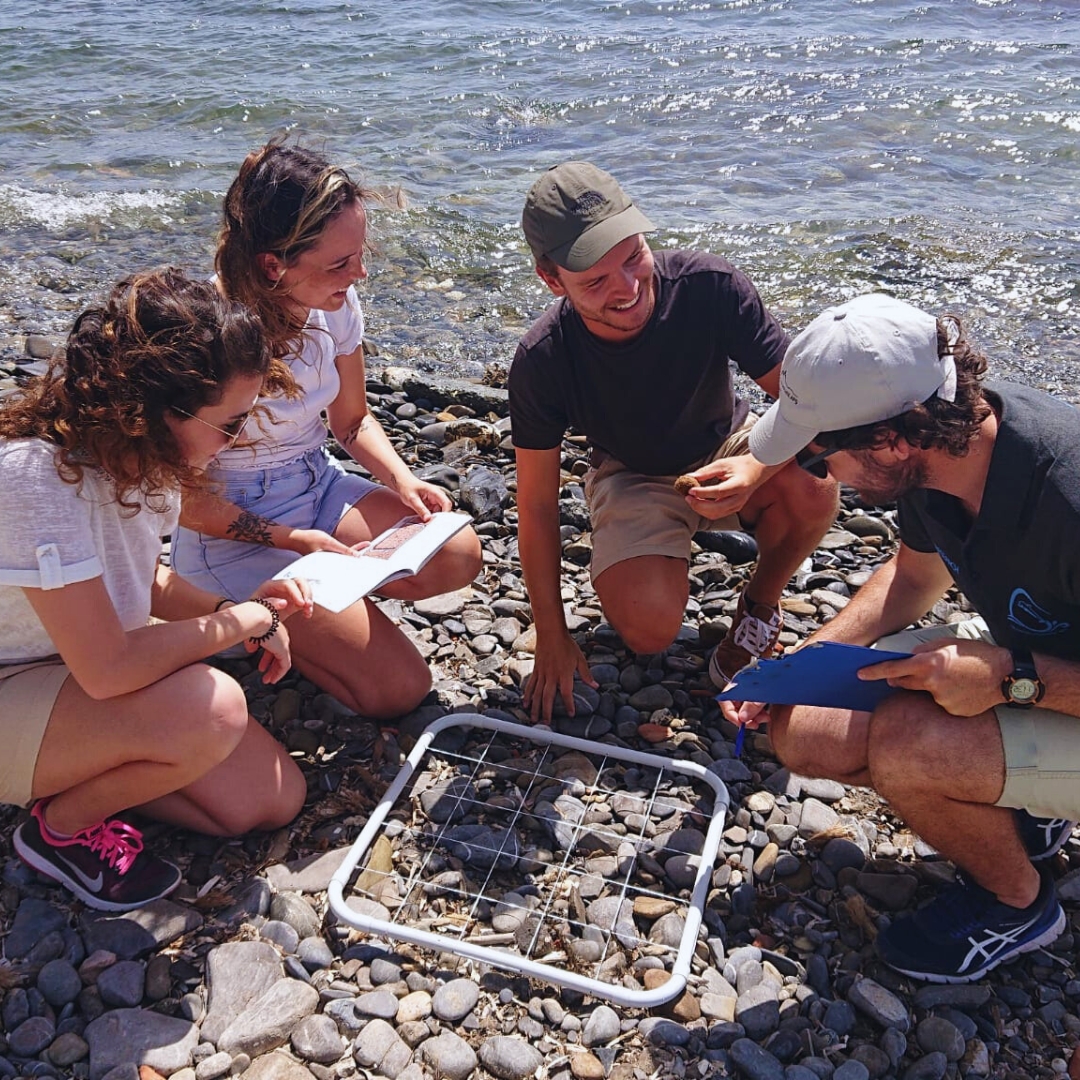
● LAND-BASED SURVEYS: only in Winter, Spring and Autumn. It consists of the collection of environmental data, marine traffic, and dolphin presence from two different strategic points in Imperia.
● OPPORTUNISTIC SURVEYS: occasionally. Other boats might be used as platforms for opportunistic sightings of bottlenose dolphins. Data on all the other animals spotted are recorded too.
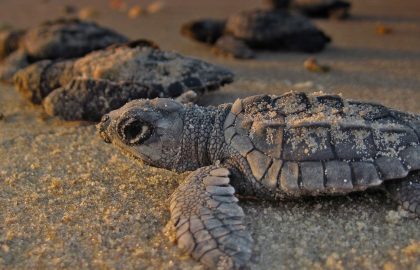
● SEA TURTLES BEACH MONITORING (end of June- possible start of August) and NEST MONITORING (August): Since 2021, the Ligurian region has been interested in a new phenomenon: the nesting of loggerhead sea turtles. Although still considered sporadic, we already see a rapid increase in these events. In 2024, for the first time, we had 3 nests in our study area and 6 in 2025. For this reason, we started a pilot project in Imperia where interns will conduct early morning beach surveys to look for nesting attempts from sea turtles that occurred at night (theory on track recognition will be provided beforehand). Surveys will be quite short – 30 minutes maximum – but will require the interns to wake up before dawn (in summer, 5.30 am) to patrol the beaches before any activity of sand raking from the beach owner is carried out. Possible involvement in determining whether loggerhead nests are located within the study area. Towards the last days of incubation and during hatching, interns may spend the night at the nest for monitoring and patrolling purposes. Moreover, considering the number of people visiting the nesting site, interns may be involved in outreach activities with tourists and visitors. In this case, office shifts will be temporarily stopped to increase monitoring effort at the nest site.
Travel & Accom.
Accommodation
To facilitate the interns’ stay, accommodation will be provided in an apartment located very close to both the office and the harbour. The flat includes a spacious living/dining area with a double sofa bed (used by one intern), a fully equipped kitchen, two bathrooms, and two bedrooms (one with 1 single bed + 1 bunk bed to host up to 3 interns; one, generally for the intern coordinator, with a double bed) and will be shared by the interns and the intern coordinator.
Physical Demands
Participants must be of good health, be able to stand several hours on a boat (up to 10-12) and under the sun or harsh weather, have good physical fitness, be able to lift/carry 15 kg, be able to walk without difficulty, be comfortable on boats in nearshore/offshore waters, be able to swim and work in harsh weather conditions at times.
Boat-based surveys and the use of binoculars at sea might cause seasickness.
Before fieldwork, a briefing about tasks and safety rules will be provided to the interns. Interns must bear in mind that, throughout the month, both during office and field-based activity, they will be working as part of a team and in nearby/small spaces. Project participants must inform our Team of any possible physical/psychological issues that might interfere with these activities during the selection process, or before their arrival if the condition occurred after the selection.
Insurance
Participants are required to carry health insurance valid in the European Union. Remember to check if your insurance covers medical expenses in a foreign country. It is the intern’s choice to decide what to cover, we suggest purchasing insurance that includes medical and emergency travel expenses, luggage and personal effects, money, personal accidents, personal liability, cancellation and curtailment, rescue and assistance, hijack and travel delay. During the Association activities, volunteers are also covered by Delfini del Ponente Insurance.
Data Policy
All data, pictures and videos taken during our activities (Delfini del Ponente Research Project and whale watching tours) are property of Delfini del Ponente. It is not possible to take pictures and/or videos during our fieldwork without a DDP member’s permission!
HOW TO REACH US
- Plane – The closest international airports are Nice (France), about 90 km to the west, and Genova (Italy), about 140 km to the east. Other possible airports are in Turin and Milan.
- Train – It is perfectly possible to travel to Imperia from France via Ventimiglia. When travelling from France, remember that you’ll have to change at Ventimiglia on the Franco-Italian border into a Trenitalia service to continue to Imperia if direct trains are not available. If you travel from another part of Italy you can have a look and buy your ticket on the website: http://www.trenitalia.com/tcom-en.
- Car – The national highway A10 runs along the coastline from the border with France (Ventimiglia) to Genova. The suggested exit is Imperia Ovest.
- Bus- There are a few companies that arrive directly in Imperia from Milan and Nice. Check the website to know the timetables: www.flixbus.com.
You will get directions to the apartment a few days before your arrival. Our Team will welcome you to the apartment.
Liguria region
Liguria is a coastal region of north-western Italy; its main city is Genoa. Some of the main attractions of the region are the typical landscape with hills joining the sea, typical villages, beaches and stunning cuisine. It is bordered by France (Provence- Alpes-Côte d’Azur) to the west, Piedmont to the north, and Emilia Romagna and Tuscany to the east. It lies on the Ligurian Sea.
The narrow strip of land is bordered by the sea, the Alps and the Apennines mountains. The ring of hills lying immediately beyond the coast together with the sea account for a mild climate year-round. Average winter temperatures are 7 to 10 °C and summer temperatures are 25 to 30 °C.
Many tourists visit the region every year, with a peak during the summer months but several are attracted by the great climate year-round and enjoy coastal walks, hiking, climbing, diving, and inland villages.
City of Imperia
Imperia is a coastal city in the Western part of Liguria.
Imperia is well known for the cultivation of flowers and olives and is a popular summer destination for visitors. It is a strategic place to visit the traditional villages in the surroundings (Cervo, Dolcedo, Dolceacqua, etc). Imperia consists of the two historical districts of Porto Maurizio and Oneglia, which lie on either side of the River Impero that gives its name to the city.
● Porto Maurizio is located in the western part of the city and stretches along the coastline. It is characterised by the historical village located on a hill, with its beautiful and colourful buildings and the typical narrow streets named ‘carrugi’.
● Oneglia is the economic centre of the city and has a very nice harbour and several beaches.The climate of Imperia is Mediterranean, with mild and relatively rainy Winters, and warm and Sunny Summers.
It is important to note that the wind blows quite frequently, while the rains in the Riviera di Ponente are quite infrequent, and follow the Mediterranean pattern they are more abundant in Autumn and Winter, and have a minimum in Summer, when it rains very rarely.
WHAT TO DO IN THE FREE TIME
Imperia and the surroundings offer a lot of different activities that interns can do during their free time: swimming, diving, hiking, exploring historical sites, visiting museums, and sailing. The coordinators will be happy to suggest you several options according to your personal interests.
Here you can find some ideas:
● Oceanographic Museum of Monaco
● International Naval Museum of Imperia
● Olive Museum of Imperia
● Villages of Cervo, Dolcedo, Valloria, and Bussana Vecchia just to mention a few
● The surroundings of Imperia offer several different hiking trails
● We collaborate with some diving centres for diving activities/courses
● Beaches and snorkelling spots are close to the centre of Imperia
Requirements
This placement is particularly suited to those looking to gain a career in marine biology or environmental conservation. You do not need any specific skills, although any you do have will be very beneficial.
● Minimum age of 18
● Be highly adaptable and flexible, as fieldwork is weather-dependent and our plans can change several times in one day
● Ability to stand several hours in the sun or cold weather on a small boat (up to 10-12). Be aware that the boat is a zodiac of 6.5 meters with no shade and no toilet.
● Ability to use binoculars for several hours on a boat
● Prior experience in cetaceans or boat-based surveys is not required, but preferred
● Degree or ongoing studies in biology, natural science, veterinary or similar (preferred)
● Strong motivation and interest in cetaceans and research
● Speak, read and write in fluent English
● Able to swim
● Be sociable and willing, as they are expected to live and work in an international team
Costs
€1800 EUR for the first month, €1500 for each month thereafter
*All payments incur a 5% bank transfer fee.
**Places are confirmed with a €300 deposit
What’s Included:
Project Fee includes
- Accommodation in a shared apartment,
- Electricity and water usage
- Field costs (use of research vessel, training and use of equipment)
- Certificate of Attendance
- Lectures and training,
- Scientific supervision, mentoring and tutoring
- T-shirt
What’s not included:
- Food and drinks
- Flights,
- Travel expenses to and from the project
- visas (if applicable),
- Travel insurance
- Vaccinations. Full assistance will be provided in if you choose our premium support.
Premium Support Upgrade
We understand there’s a great deal to plan and organize for your trip. When booking a Placement, many of our participants choose to purchase our Premium Support Upgrade to benefit from the expertise, knowledge, and experience of our Project Coordinators.
We can provide the personal advice you need to ensure your trip is organized with excellence and planned with efficiency; ensuring the very best experience possible. Read more about how we can help you.
Note: Map coordinates are approximate