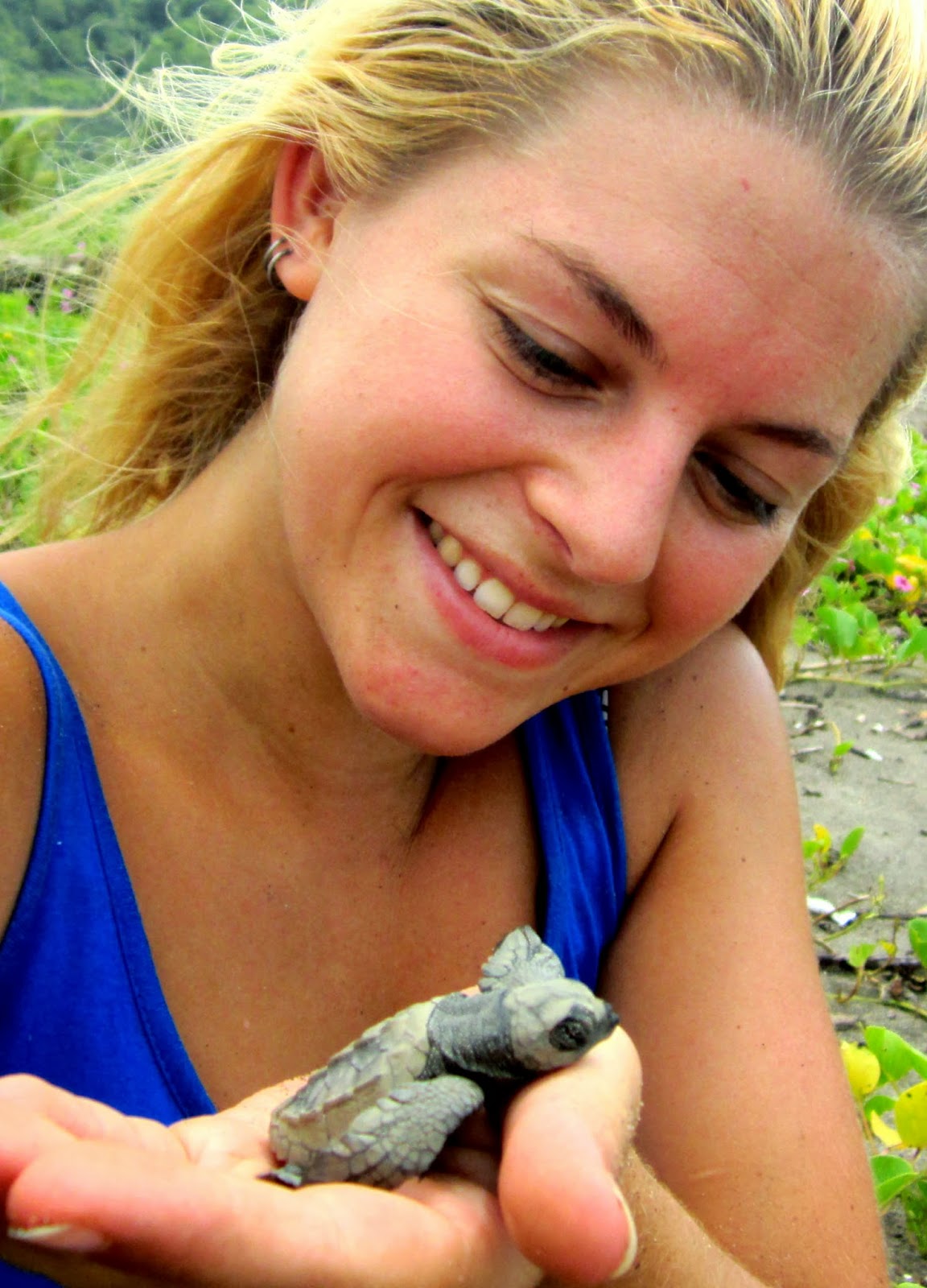
“As a soon-to-be veterinarian I have the ambition to specialise in reptilian wildlife. So when I had to conduct a three-month research project for my masters degree, the choice was easily made; I want to work up close and personal with sea turtles! I had been to Costa Rica before and fell in love with the country so that was going to be my goal. Global Nomadic set me up with the organisation working on the conservation of turtles and sharks. The practical plans were quickly made and soon everything was arranged for me to fly to Costa Rica. But, because of my university and getting approval for my research plan, I still had to wait half a year before I was sure I could buy a ticket!
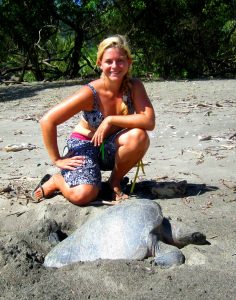 In October I was finally on my way and I was soon settled down in Corozalito, Costa Rica. As research assistant you are doing night-/morning patrols, looking for tracks and turtles, taking data and checking nests. In addition to that, I had my own project concerning the embryological stages that can be found in died unhatched eggs. This means digging up hatcheries after the newborns have gone to the ocean, to collect any eggs that are left and perform necropsy on them to determine the stage.
In November I took on the job of coördinator at our project, meaning I was in charge of the house, the work and the group of volunteers and assistants working with me. It wasn’t easy to begin with, as I didn’t speak a lot of Spanish, but it was a great opportunity and I wouldn’t have want to miss it for the world. I got involved in the community, have gained many precious friends from all over the world and my sweet neighbours took me in their family like I was their daughter or sister…
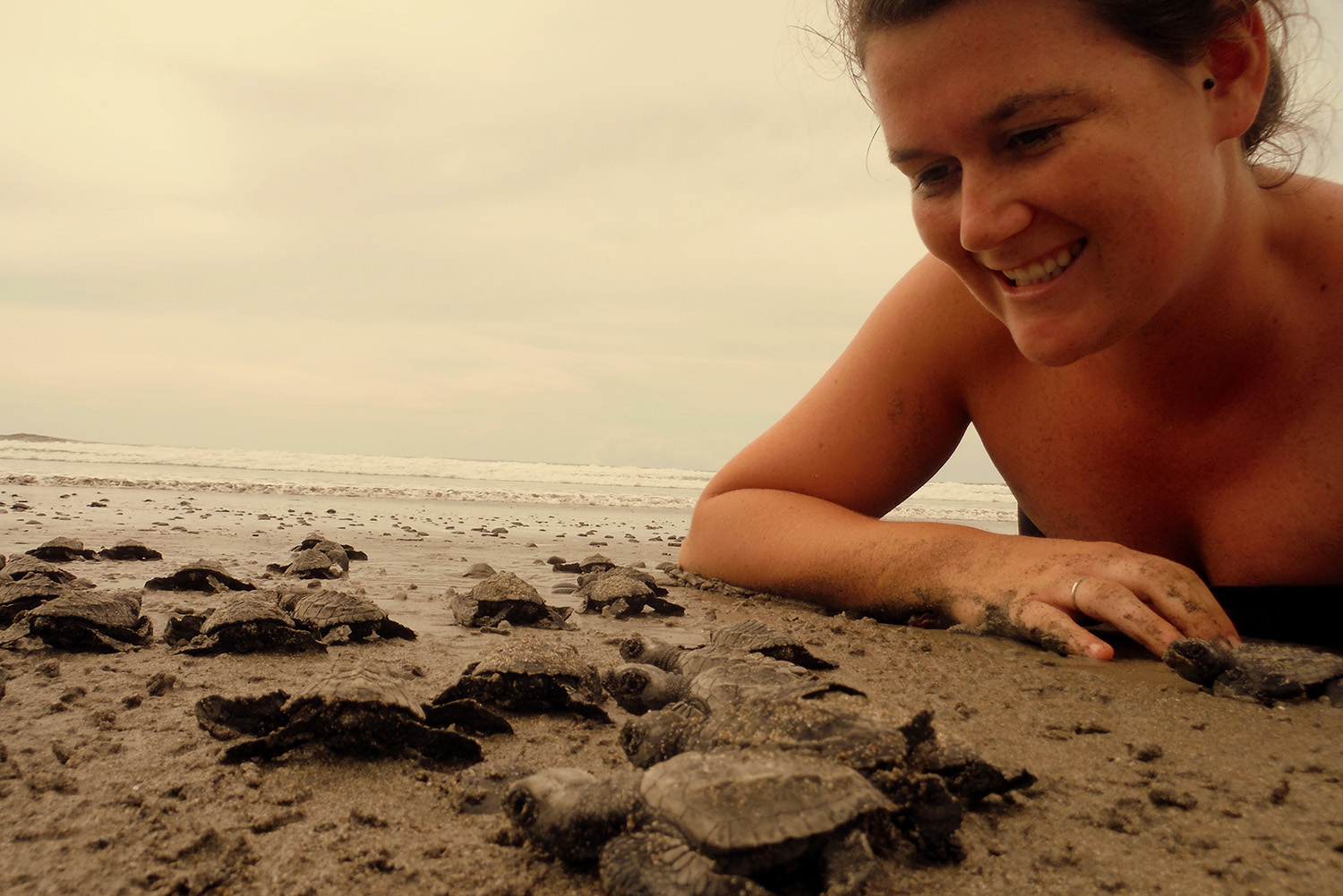
This experience has been life-changing. I’ve seen hundreds of turtles, on a little strip of beach just 800 meters long. To see so many turtles crawl up the beach, dig their nest, lay their eggs and doing a little turtle dance while covering everything before heading back to the ocean… it is nature at it’s best! And even though you’re tired of walking 4 hours on the beach every night, six nights a week and you’re digging nests until you have sand in places where you don’t want to find sand, and even though I’ve been opening rotten eggs that smell horrible… it’s all worth it when you see those little babies crawl out of the sand and run towards the ocean when the sun starts to rise over our beautiful little beach. The beauty of nature never seems to get boring!
Speaking of the beauty of nature; Corozalito had a lot more to offer. I’ve seen mostly Olive Ridley turtles, but also a few Green turtles and even a Hawksbill. I’ve seen whales jumping in the ocean while finishing a morning patrol. I’ve seen monkeys, coati’s, raccoons and many different types of birds. I’ve seen armadillos, anteaters, snakes and butterflies. I’ve seen thousands of fireflies dancing over the fields at nightfall, mirroring the beautiful night sky with all its stars. Of course also the occasional bug in your drink or your clothes, the scorpions in your room, ants crawling all over the place… but that’s Costa Rica!
To top it all of I was lucky enough to witness an aribada, meaning hundreds of turtles coming to the beach at the same time over a few days. How special it was to see them coming all together, during daylight and during nighttime, having volunteers from other projects rushing to our little beach to help with the work… wow! It put pressure on my work as coördinator, but it was amazing to witness!
As mentioned, this experience was life-changing and it definitely stimulated me to follow my dreams to work with reptilian wildlife. 2,5 months in this beautiful little town has changed me and I look back with a lot of great memories and love for the country, the animals and the beautiful people I’ve met on this journey. I hope to return someday; to walk on ‘our’ little beach again, to see the turtles return to make new nests and to send my love to my second family in Corozalito.
Costa Rica truly is… PURA VIDA!”
In-Water Sea Turtle Conservation Internship in Costa Rica
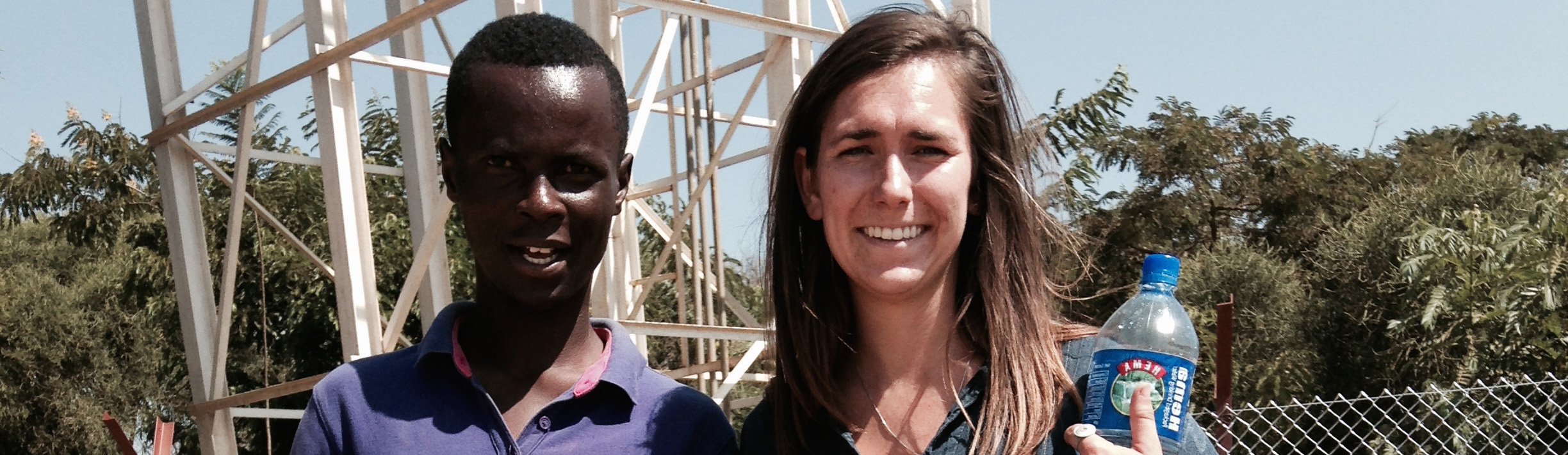
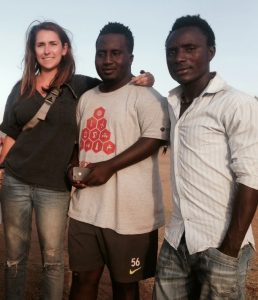 During my time in Uganda I spent most of my time at the Nakivale refugee camp. Here I worked on projects that incorporated health and education. The camp is divided into zones. Each zone in the camp is assigned by country and each zone has a soccer team pertaining to their country. I worked with the soccer teams of which were comprised of mostly boys from the ages of 18 to 25 and a few girls were scattered across the teams. I have always been an avid football player throughout my life so I could relate to all the players in the camp. Many of these individuals were very misinformed about the facts and realities of HIV/AIDS. They did not know much about a disease that has infiltrated many aspects of their lives. On top of spending time educating the refuges I spent time bonding with them. When I was in the camp the World Cup directed the atmosphere. Each night we would go and watch the game with the locals. There was a large language barrier but that subsides when you are rooting for the same football team, laughter and screams soon drown out the barrier.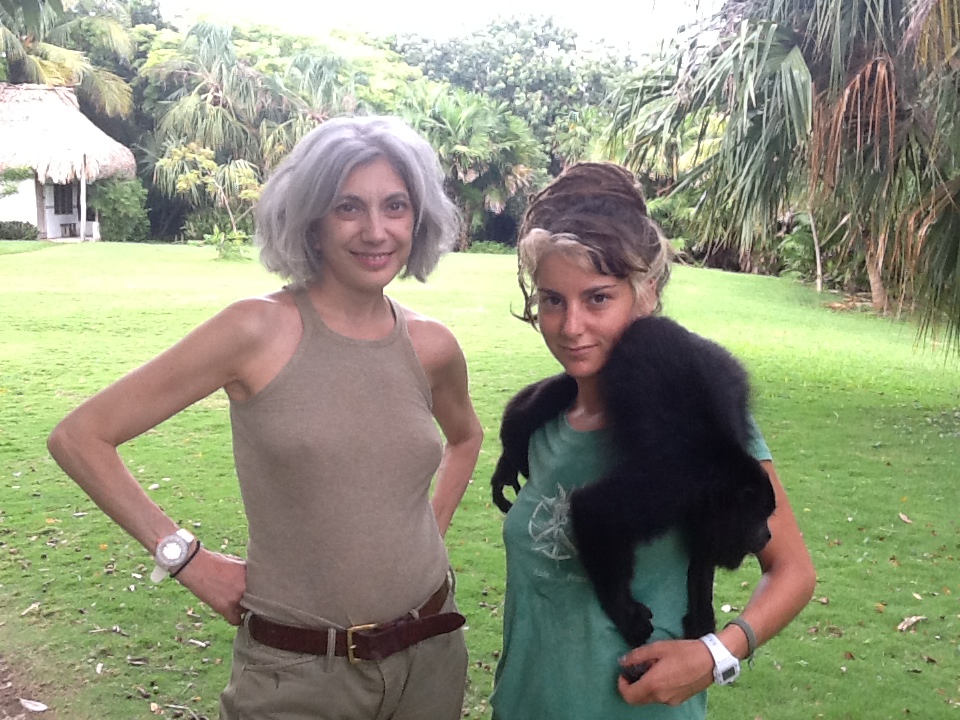
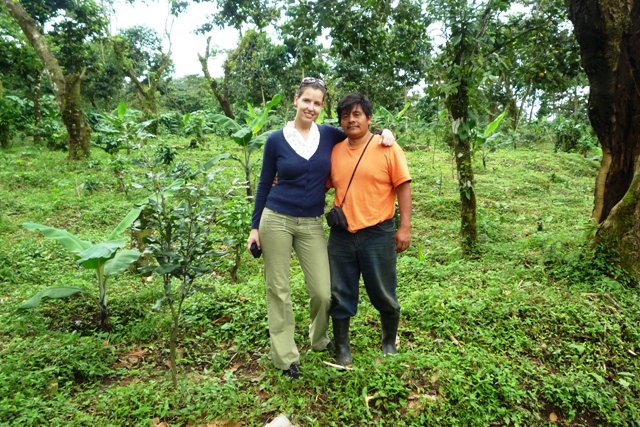
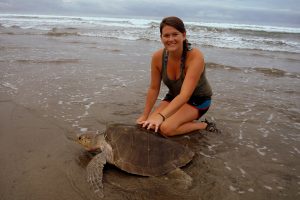 and have always wanted to return. So, I did some internet research, and came across the Global Nomadic internships. The sea turtle research assistant position in Costa Rica seemed like such a perfect opportunity. I chose this position at the Corozalito project working for the non-government organization in Costa Rica. The position was the perfect length for me, and started at the right time. Living on a beach in the tropics and working with endangered sea turtles sounded like a once in a lifetime experience.
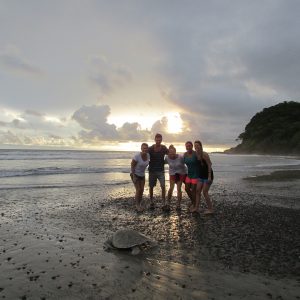 I arrived in Costa Rica in September, and after a few weeks of travelling made my way to the project in Corozalito, Costa Rica. I met my project coordinator and the other research assistants I would not only be working with, but also living with for the next three months. It was such a great learning experience living with people from different countries and with different cultures. It really opened up my eyes to differences in our world, and how in the end we all could still become friends. I will always remember the long chats we had with each other, discussing our lives back home and sharing stories. Most days we spend hours sitting around the dinner table just talking! We spent every day and night together, both working and exploring the area we lived in, quickly becoming friends. I am so blessed to say the people I met at my project will be lifelong friends I can’t wait to meet up with again.
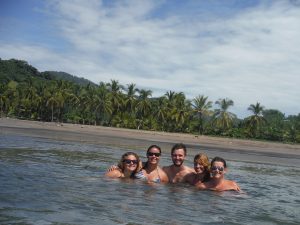 when sea turtles nest, and conducted a morning survey at 4:45 every morning. I adjusted better than I thought to the strange working schedule, was able to spend my days catching up on sleep, relaxing on the beach, and exploring local trails. Most mornings we had to protect sea turtle hatchlings from predators and helped them to the ocean. The babies were so cute and tiny! Seeing the leatherback was an amazing experience I didn’t expect. I still can’t believe how big the leatherback was that I saw, it truly looked like a dinosaur. My project was also lucky enough to experience three mini arribadas, which is a phenomena where thousands of sea turtles visit the beach at the same time to nest, starting nesting earlier in the night and ending later in the morning. This was an incredible and rare experience that only occurs at select beaches in the world.
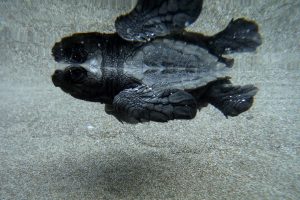 This experience gave me valuable experience I can use in future endeavours. Working with the sea turtles, tagging them, counting and inspecting their eggs, and recording data gave me valuable hands on experience working in the field, recording field data and conducting surveys. I improved my leadership and teamwork skills during my patrols and morning surveys. A final valuable skill I learned through this experience was how to work together with the local community in a development project. This is important for any international relations and development work in my future. I learned the importance of considering the local concerns, including them in our decisions, and working with them to protect the sea turtles.
 Nomadic provided in-depth and reassuring answers to all my questions.
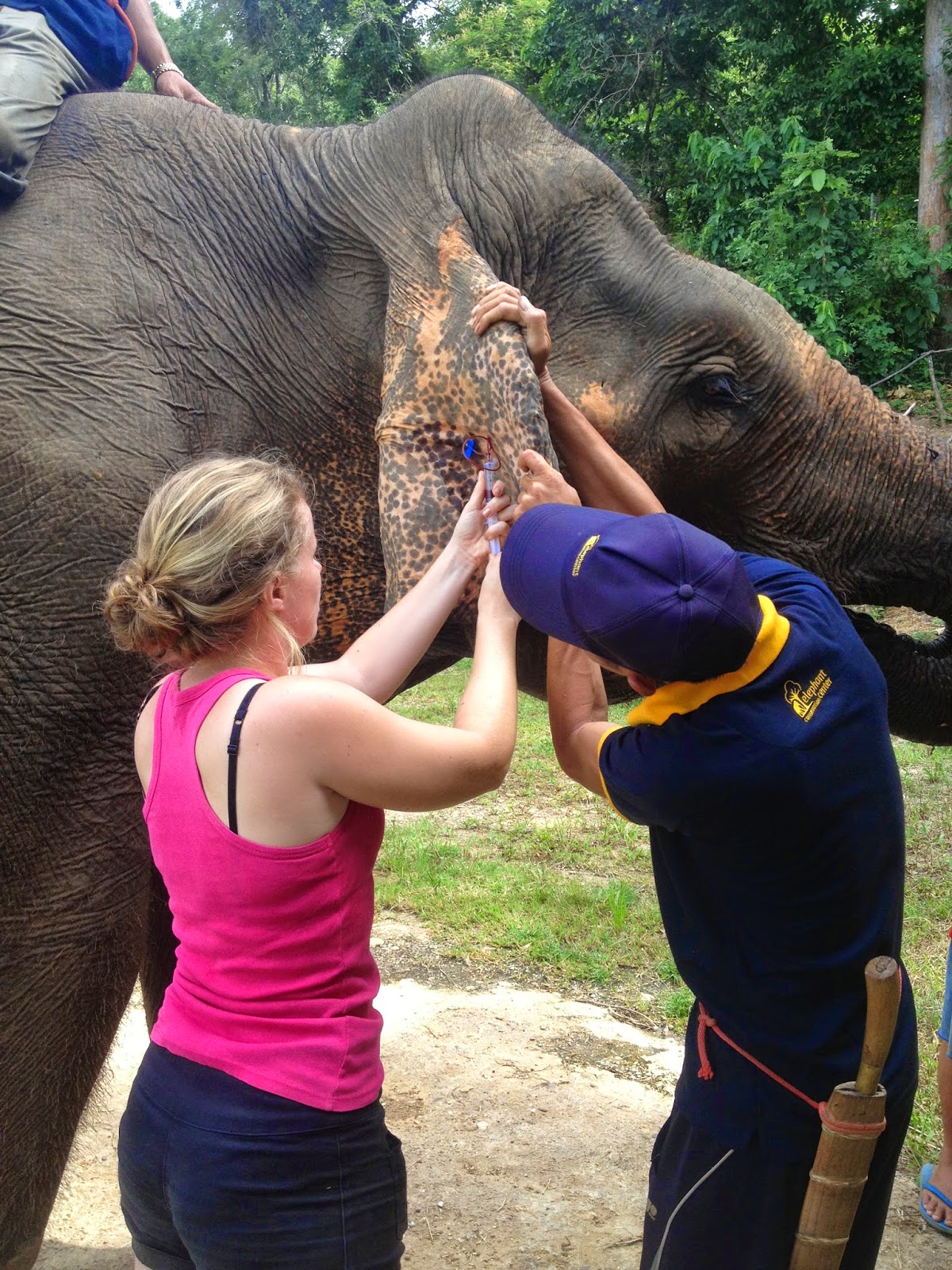
 he Asian elephant veterinary program in Laos was more incredible than I could have possibly imagined. The way to and from the country was rough but still exciting. On the way there, with over 36 hours of traveling, I went from Atlanta to Seoul, South Korea (awesome airport) to Hanoi, Vietnam (not as nice) to Luang Prabang, Laos (tiny airport); the way back two weeks later was smoother and shorter, with only 28 hours of traveling. Laos itself was an absolutely beautiful country, with its green mountains and valleys. I stayed in Luang Prabang, a small but cosmopolitan little city, at the beginning and at the end of my trip, and during this time I had Lao barbecue, went to Kuang Si Waterfalls, saw the monk alms-giving ritual in the early morning, received an authentic Lao massage, and visited the night market.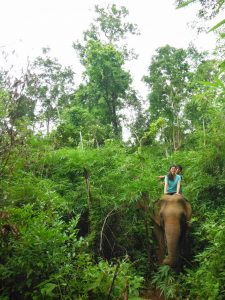
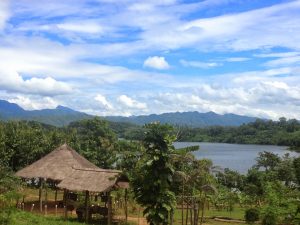 From a cultural aspect, I enjoyed all I experienced. I learned a lot about the Lao way of life – always taking your shoes off before going into a building or house, being very friendly, saying “sabaidee” for hello and “khop djai” for thank you, going to bed early and waking up early, and taking it easy. But, since it was a tourist center, I met people from all around the world – mostly from France but also from England, Spain, Germany, the Netherlands, Switzerland, Canada, and Australia. I thought it was very neat how English was the universal language by which everyone was able to communicate.