Public Health internship Report

public health internship in Ghana

27th April – Orientation Week

I arrived late in Ghana on the 11th of April 2016 by 8pm. it was only until the next day a staff took me to WAAF where I was introduced to the staff. A handbook was given to me to know more about the organization when it was established, and her accomplishments thus far. Also, what is expected of me as an intern.

This project is an occupational health and wellness package that includes the following:

  • screening and examination of the staff of the organizations on a number of diseases such as HIV and Tuberculosis testing, and a whole lot.
  • Health and wellness workshops on a number of health topics such as infectious diseases, Non-communicable diseases, posture and sleeping disorders e.t.c.
  • routine screening of health workers
  • providing medical certificates if needed
  • detailed subsidised rates of each test but open for negotiations on the order of the test to suit each organization needs.

A proposal and an introductory letter was typed to present to organizations in Accra.

For our first outing (20th April 2016), I and a staff of WAAF visited five companies and presented our proposals and introductory letters to the Human Resource (HR) of the Organizations. On that same day I made a phone call to the sixth company on our list and spoke to their HR department, but at this time they would not sign up to the program because they had recently signed on to another.

28th April – Working on Guidelines on waste management

I had been working the occupational and health and wellness workshop manual and handed it in on the 27th April 2016 awaiting corrections and feedback.

I started working on another today 28th April 2016: Guidelines on waste management for WAAF and her partner IHCC (International Health Care Centre).

29th April – Invitation to a seminar

This day 29th April 2016, the staff of the West Africa Aids Foundation and her partner the International Health Care Centre,including other organizations were invited by the Ghana Aids Commission (GAC) for a Seminar on advocacy.(Interns and Volunteers included). This was a follow-up meeting on the validation of Ghana Network of Persons Living with HIV (NAP+) handbook.

3rd May – Follow up with prospective clients on the Occupational Health & Wellness Program

Its been two weeks since I and the WAAF staff visited the respective organisations on our list to hand them our proposals on the occupational health and wellness package.

I followed up today 3rd May 2016, to receive their response. we have had one positive response so far and even received the clients today. for some their HR was not around, next line of action to call back tomorrow. for others, there was no response, same next line of action as  above.

Successful screening test for the new clients on HIV and TB. they also requested for a medical report and the Doctor was able to provide them with one.

5th May  – Community Outreach

WAAF was invited for a community outreach program in Doryumu village (a hard to reach place) somewhere around Shai hills, in Accra. the outreach was to speak to the women who had tested positive to HIV, about the importance of  ART (Anti retroviral therapy).  the complaints reaching us from the co-founder of  the city of refuge children’s village was that they refused to go to the hospital for their drugs and some for followups.

the reasons behind the women’s refusal to go to the hospital were due to the fear of stigma and also financial reasons. all these were discussed and how to tackle these problems were tabled in front of the founders of city of refuge childrens village.


7th May – STARR FM, Mothers day celebration

Free examination and screening for mothers were conducted Saturday 7th May 2016, to commemorate the mothers day celebration. the turn up was good. the staff and interns of WAAF were present. we conducted a free HIV test and TB screening. those who tested positive for HIV were referred to WAAF partner IHCC for followup. also, those who were suspected for TB were further referred to hospitals close to their homes.

9th May – Sealing the deal!

Today, we sealed a deal with one of the organisations we submitted the occupational health and wellness proposal. A proposed date has been set for the health screening of their staff and medical reports are to be issued when the screening is completed.

10th May   – Final Day at WAAF

After I had concluded all pending work, I was taken out to lunch by the public relations officer courtesy of WAAF bidding me farewell. Gifts were presented to me after lunch.

My experience at WAAF is one I would never forget. I am happy I was given the opportunity to intern there and am also grateful for the people I got to meet (both the staff at WAAF & IHCC and other interns/volunteers).


Public Health Internship in Ghana 
 

The Fieldwork

A pick-up truck was waiting for me in Campo Grande. It was covered by a thin layer of red dust, coming from what they call “terra roxa”, purple soil. Forget asphalt. This sand, whose colour is given by the presence of iron, is what most roads are made of.

Our adventure began and by the evening we were in Taboco, a small village in Mato Grosso do Sul. In fact, even though I am working with WCS to monitor Pantanal’s wildlife, in particular peccaries, most of the research is not being conducted in the Pantanal itself, but in the surroundings, the so-called Cerrado. But don’t worry: we are still dealing with the same deforestation issues and the same endangered species! And there’s still plenty of work to do, in any case.

Chasing peccaries

Monitoring peccaries means conducting a number of various activities, which will give us information on the different aspects of the ecosystem. In the past days, we have been setting and getting back hidden cameras from the forest, preparing cages to capture animals, determining the position of peccaries that were given GPS collars, and rescuing some of these collars. These activities allow us to understand where the animals are and where they move to.

Manmade deforestation divided the original forest into detached pieces, like small islands, and our beloved peccaries move from one to the other. By mapping peccaries, we will try to understand which areas they like and what corridors they use to get from one forest fragment to another. More specifically, the cameras tell us if there are peccaries in the selected area. If so, cages are set and the peccaries are captured. The next step is to put GPS collars on them to precisely track their movements. Once the batteries of the collars are low, we get them back.

Mosquitoes and ticks

These fieldwork activities seem easy and straightforward, right? I can guarantee they are not. First of all, it’s hot and there is no breeze. Such conditions can make the electronic equipment feel “dizzy”, so that they don’t work properly. In addition, for our own good, we need to wear long sleeves and trousers -which make us sweat even more. They will protect us from scratches, stings and bites from mosquitoes and ticks. Mosquitoes are now under the spotlight for Zika, but they can also carry yellow fever, dengue, and chikungunya. Plus, we all know how annoying and itchy their bites are.

Ticks are no better. Call it climate change, call it unusual autumn, but this year the “tick bombs” are already attacking. They are dozens, hundreds of tick larvae -baby ticks- that you would stumble upon while walking: they may look like dirt, they are on grass and leaves, and they will stick to your socks and jeans. They are going to crawl on you before you even know it. If you pay attention, after a short walk in the forest you’ll be able to spot them on your jeans. At this point you have a choice: either you remove all of them from your trousers with duct tape, or you’ll have to remove each one of them from your skin afterwards.

Despite having stepped on quite a few tick bombs in the past days, I was lucky enough to get only one tick. Beginner’s luck or unappetizing blood? I guess we’ll figure it out in the next days…

Volunteering with Pandas in China!

volunteer with pandas


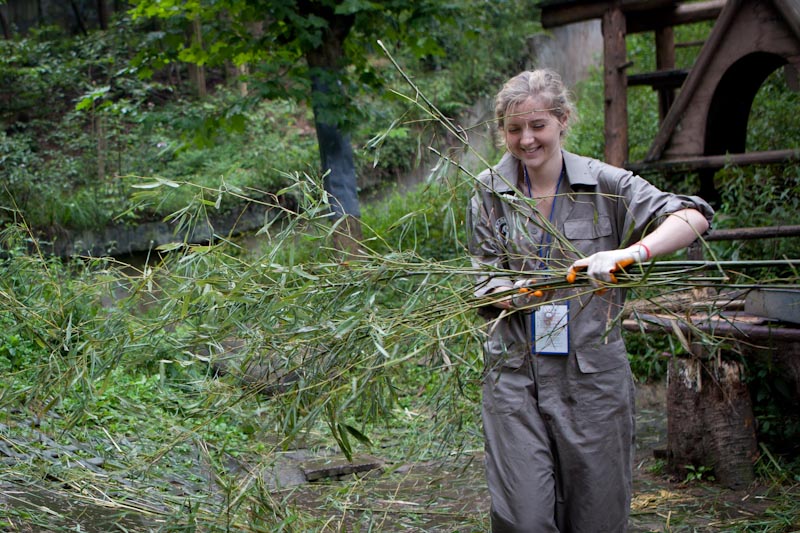
“So here is some detail of the work we did. I will be open – it is not glamorous but it is so worth it. It is a very physical job. We start work about 8:40. The keeper typically has started getting the pandas inside so we can clean the outside. We scoop up all the panda poo we can find. A nice walk thru their outside enclosure. 🙂 We also clean up and load out all the bamboo from the night before. Around that time new bundles of bamboo will be delivered. Get it moved to where it goes then time to start busting it.  Slamming 10ft stalks to the ground to split it. A great stress reliever! We put fresh bamboo outside before putting them back out.

Now they are outside so we can clean the inside enclosures. Consists of the same. Cleaning up any panda poo and bamboo shoots from the night before. We then sweep and mop the inside. We pull all the trash cans and old bamboo bundles out for the trash truck that will be by in the mid-morning. A morning full of hard work!

About 11am we do our first feeding for them. The keeper is careful to watch each pandas diet. Each one gets a specific size/weight of panda bread. And a huge carrot cut in half. The next feeding is at 2pm which also consists of panda bread and a carrot. And sometimes this feeding or the next will also consist of an apple. They love apples! The apple is where they hide any vitamins that might be required. A panda that is in breeding season may also get a bowl of milk in the afternoon. Cubs get a bowl of milk. They don’t have teeth developed enough to bite into the solid food. But that doesn’t stop them from trying to steal Mom’s! The last feeding of the day is the same but they get 15-20 bamboo shoots for the night.

A panda can typically go in and out as they please. They are only locked in one or the other if there is a specific reason. Like moving them, cleaning or eating. They have huge outside areas with plenty of natural habitat and each keeper loves them and takes wonderful care of them.

– here are helpful tips based on my experience to share….

This is a very rainy region much of the year. Be prepared with rain gear and to work in the rain. Bring things that dry quickly. Air drying takes a while.

You are provided coveralls but be prepared for shoes to get wet, poopy and muddy. Dress in layers under your coveralls.

I truly feel that 2 weeks is perfect. My body was tiring by the end of that 2nd week. Lots of walking, hiking, working & sight seeing.  One week is not enough unless that is just all you can do. I wanted a weekend of free time.

Exchange your money before you leave Chengdu. There is only one bank in Ya’an to exchange money and that is a 30 minute taxi ride to town. And there is only one lady at that one bank that can do it. You have to hope she is there!

The coordinators plan activities for you that you can participate in but don’t have to. We learned about Chinese festivals. How to write Chinese numbers and a few other words. Learned how to play Mahjong and made dumplings. I recommend the waterfall hike down the gorge. I did it twice. Beautiful. Made a couple trips to the supermarket for snacks and toiletries or any needs. Watched some movies in the activity room. Had time to just watch the pandas in the other enclosures that we weren’t caring for.

Met girls volunteering from all over the world. Don’t be afraid to do this by yourself. I did. The coordinators help you plan any weekend activities if you stay over. They write things down in Chinese you might need to ask if they aren’t with you. Mine were Li and Echo and they were fabulous.

It was an experience I will never forget. Worth every penny. I definitely plan to go back. Hopefully several times! Global Nomadic was fantastic and I wouldn’t attempt to do this without their help and guidance. There are too many details in order to travel to China. One other note. There is no Facebook in China. Be sure to setup an international plan on your phone!

I promise if you’re at all interested- you should absolutely do it.”

Panda Care Volunteer project in China


UB Post – Weekly reports

Journalism internship report

“My First Week

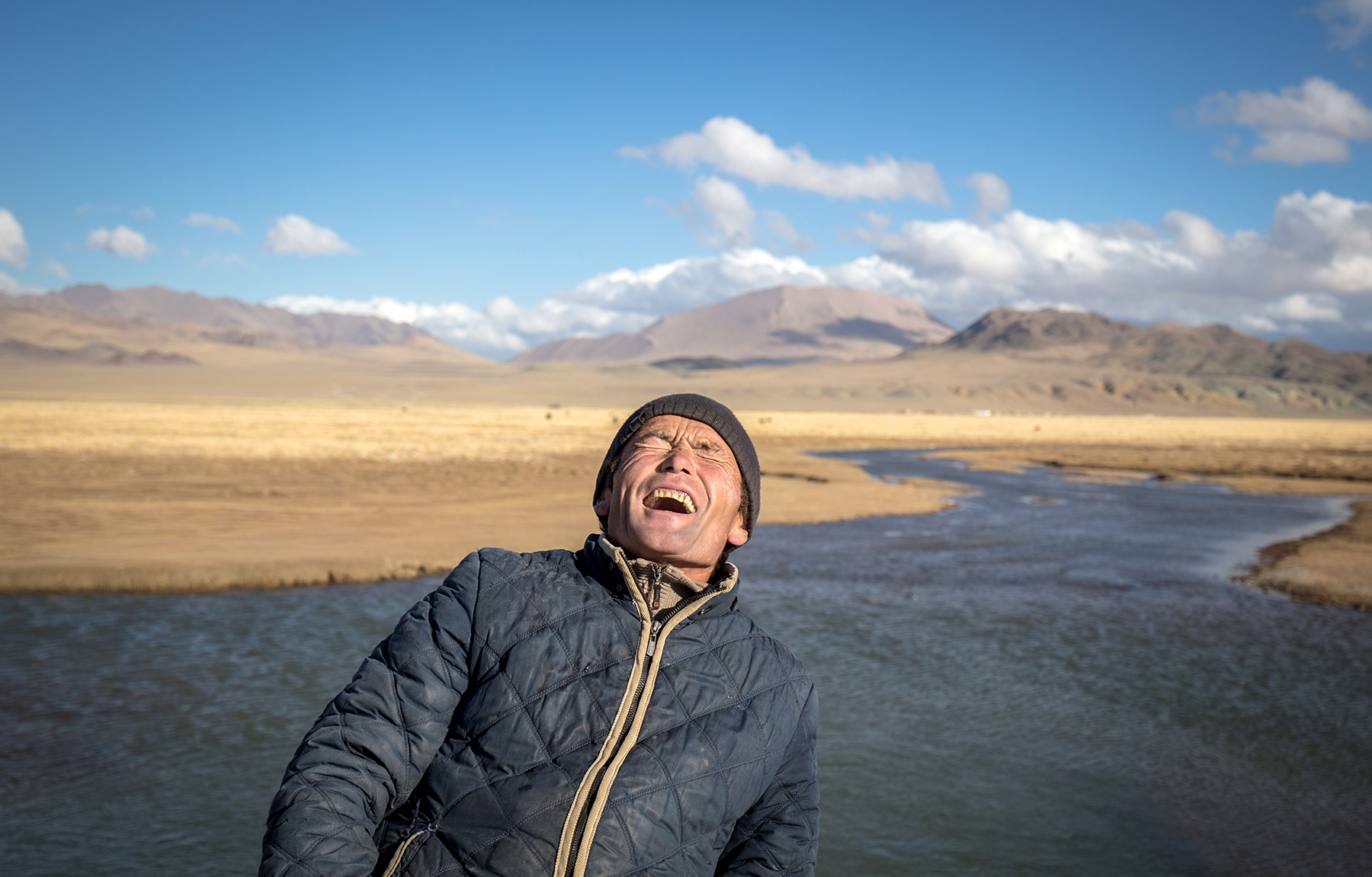
I have now been in Ulaanbaatar for one week, and I have started my internship at the local English newspaper, UB Post as a journalist intern. Everyone has been exceptionally welcoming and friendly. I’ve found that I’m not offered too many article ideas, but whenever I pitch one to my Editor, she has said on each occasion that it would be perfect for the newspaper; you need to make a point of finding work to do. So far I have completed a large feature on conservation in Mongolia, including a lengthy interview with a member of a conservation NGO, which was something of a challenge since I have never conducted an interview before. It is going to be published next week.

My home stay family have been amazing, providing a source of much needed comfort for a teenager alone in a foreign country. They have had several volunteers stay with them previously, so are familiar with the drill and have proved very helpful in recommending tourist spots to visit as well as areas of the city that I should avoid. One issue at my home stay has been the food; the Mongolian cuisine is entirely different to that in the West and it has proved quite an adjustment. The diet consists of a lot of meat, including horse, which I struggled to grabble with eating. I’ve been pleasantly surprised with their proficiency in English, particularly since I have had a couple of issues with the language barrier in the city. I look forward to seeing how the remaining three weeks of my placement go!

My Second Week

It is hard to believe, but I am almost half way through my placement here in Ulaanbaatar. It feels like I just stepped off the plane yesterday and it is what everyone keeps on saying; your time here goes ridiculously quickly.

I had my first article published in The UB Post yesterday. There really is nothing similar to the thrill you get when you first see your name in print for an actual publication. Quite a lot of people in our office are unwell, so the workload has increased as we need to generate more articles to compensate for those who aren’t here. I don’t mind it though; I’m really enjoying the process involved and the satisfaction you feel when you meet your deadline on time and feel like you have done an article well.

The main thing I am still struggling with is the diet. There is just so much meat! I was speaking with another volunteer and she says she has had mutton for breakfast every morning since she arrived. I haven’t seen a vegetable at all, except for the one night where we had carrots in a horse stir fry. It is quite an adjustment, and one I have still yet to entirely make.

My Final Week

I now have just over a week left in Mongolia. I cannot believe how quickly it has gone! At work the newspaper just celebrated it’s 20th anniversary of publication, so things have been hectic, going through the archives to pull articles and images for a features on the newspaper’s history. The standard of work this past week has had to be second to none in preparation. I have started work on a new article after I just finished an opinionated piece on crime in Mongolia.

Now I am turning my attention to an article on the Mongolian diet compared with that of the West, since it was something of a culture shock for me having to eat things such as horse meat for dinner. I discovered why the diet is so protein heavy here; it is because so much of the land cannot be used for agriculture, so the nomads have always been forced to rely on livestock for their diet of meat and milk.

I have planned a trip with a few other volunteers to get out of Ulaanbaatar and see some of the steppe that lies beyond the city’s limits. I’m excited to see the renowned natural landscapes of Mongolia!”

TV & Print Journalism Internship in Mongolia


Renewable Energy Development Update

solar power

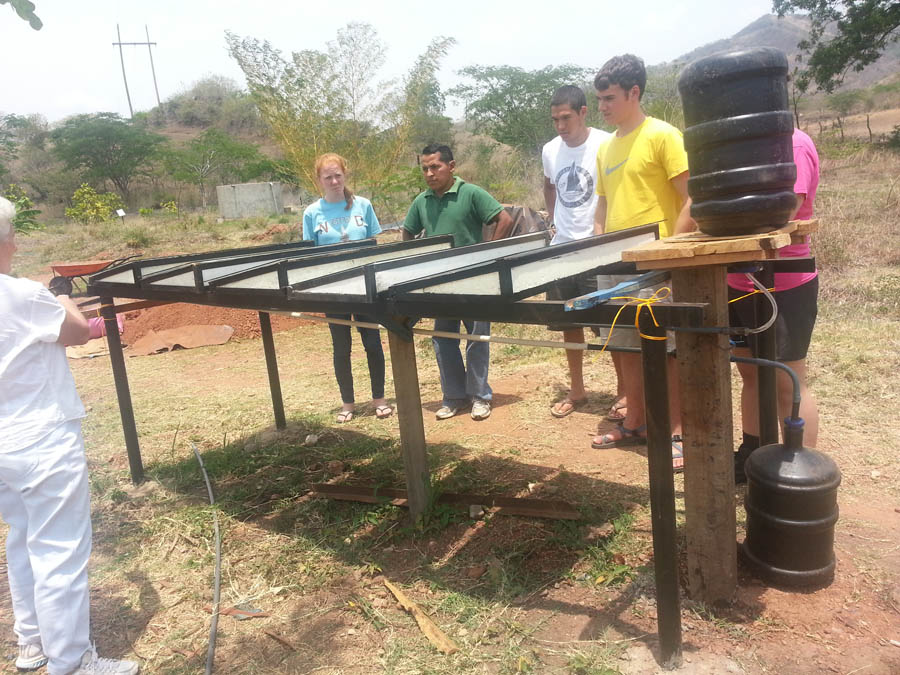
“One of the first things we did was a solar panel system in San Fernando. It was a simple system with one panel , six lamps and 3 batteries. It was great to experience an installation in the first week of the internship. I learned the basics of solar system installation and will likely never forget the experience.

Another highlight was visiting Miraflor. It is one of the national reserves in Nicaragua. It was very. Beautiful and green compared to they dry and dusty Sabana Grande. The coolest things about the trip was seeing the lead cutter ants. It was something I remember seeing on the discovery channel back home, thinking that I might never experience something like that.

Another exciting thing that happens this month is that we started to do maintenance on the solar PV system at the solar center. We stated with maintaining the battery system by making sure the batteries had enough distilled water in them. Next we tested the output of each panel to see if they were working. The ones with poor results were taken down and looked at to try to identity the problems. I look forward to continuing and completing this project.”

Arusha Women Legal Aid and Human Rights

Tanzania boy


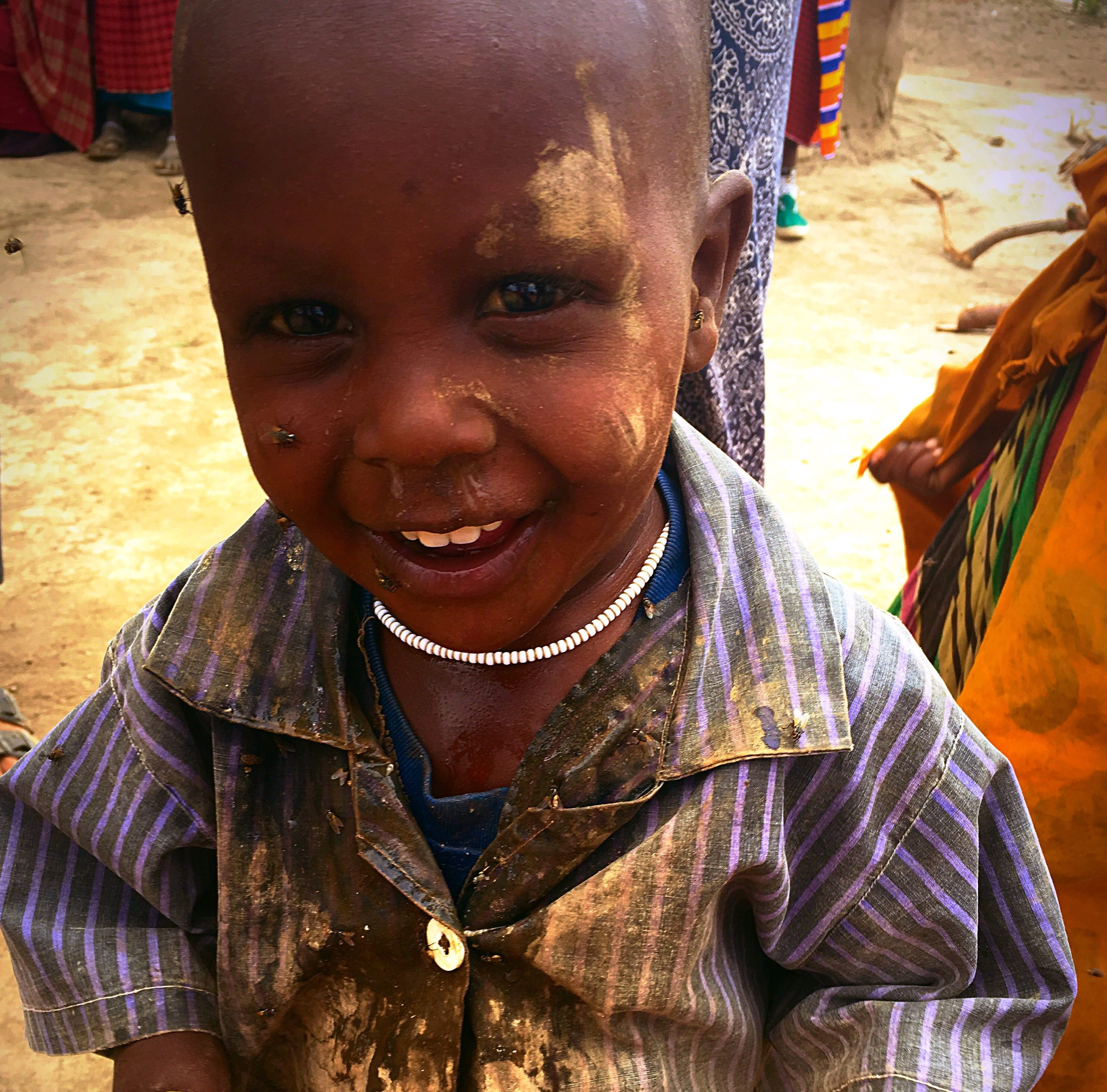
“It seems strange that I’ve been in Africa for two weeks now. The customs and cultures were hard to get used to but now seem second nature. I’m staying in Arusha,view_from_volunteer_house Tanzania for three months to work as an Intern at Arusha Women Legal Aid and Human Rights Organization. So far, I have been kept very busy; I have completed applications for grants, strategic plans, guidebooks and I have visited court to watch some of the cases involving our clients.

The legal process is so different over here, but already I feel as though my work with the organization is making a huge difference. Women are often disadvantaged in Eastern Africa because of underlying patriarchy and tribal views, but organizations such as AWLAHURIO are working hard to try to change this.
I am so excited to see what the organization can achieve over the next three months and cannot wait to meet women from all walks of life. I am amazed by their passion and determination despite being ostracized, abused and neglected in the eyes of the law.

Tanzania has proven a perfect place for me to volunteer, the people are friendly, the atmosphere lively and there are plenty of things to do on my days off. From visiting Masai tribes, exploring the waterfalls on Mt Meru or discovering wonderful crafts at the markets, the Arusha region is definitely feeding my wanderlust!”

Human Rights & Legal Aid Internship in Tanzania