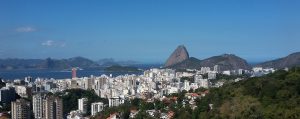
3 Weeks in Art and Theatre School in Rio de Janeiro


“During my 3 week placement in Rio de Janeiro, Brazil I had had an amazing experience volunteering in Art and Drama school. I was very happy with the
organization and general guidance of the project during my stay. The hostel where volunteers were staying was superb (in the Trip Advisor), located right in the heart of Rio.
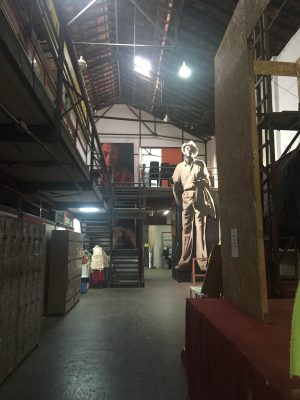
My volunteer project started after my orientation day where I was introduced to the Volunteer Program and had a tour of the city. Art and Drama school was located on the outside of Rio in an industrial area. At first, I was understandably nervous to meet the students. I found that a language barrier was an issue at first. However, provided Portuguese lessons really improved my ability to interact with students on daily basis. I was surprised to find out that this school was sponsored and had adequate equipment, nevertheless, students were mostly from favelas.
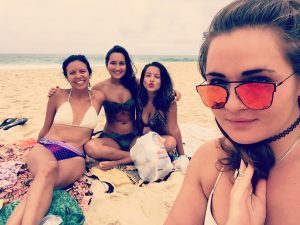
ekaterinaDaily exercises included discussions and brain storming on subjects such as photography and cinema, as well as I was able to help with the practical exercises. In particular introduction to photography and image treatment. I was very happy to share my knowledge and to help the students with computer basics. I believe that the sole difficulty I had during my stay was the language, as a very little percentage of people in Rio speak English. But also I found it to be a great challenge to overcome. I learned that as long as you keep a positive attitude and make continuous efforts to interact and help out the students you “break the ice”. Students in this particular placement were from 17 to 21. As we were all in the same age group we easily found similar interests and things to talk about. After a week we had developed a good friendship, outside the classes we had visited different Art expositions and went to the beaches together on weekends.

It is difficult to describe my experience in only one phrase. Diving into a foreign culture, meeting local people, teaching in a foreign language were all challenges as well as unforgettable, rewarding and great experiences. I had had a magnificent time in these short 3 weeks, and I will most definitely like to try a similar placement in a different country.”

Katya 04/10/16
Art and Design Volunteer Project in Brazil 

Six-week Medical Internship at Levolosi Hospital – Arusha, Tanzania


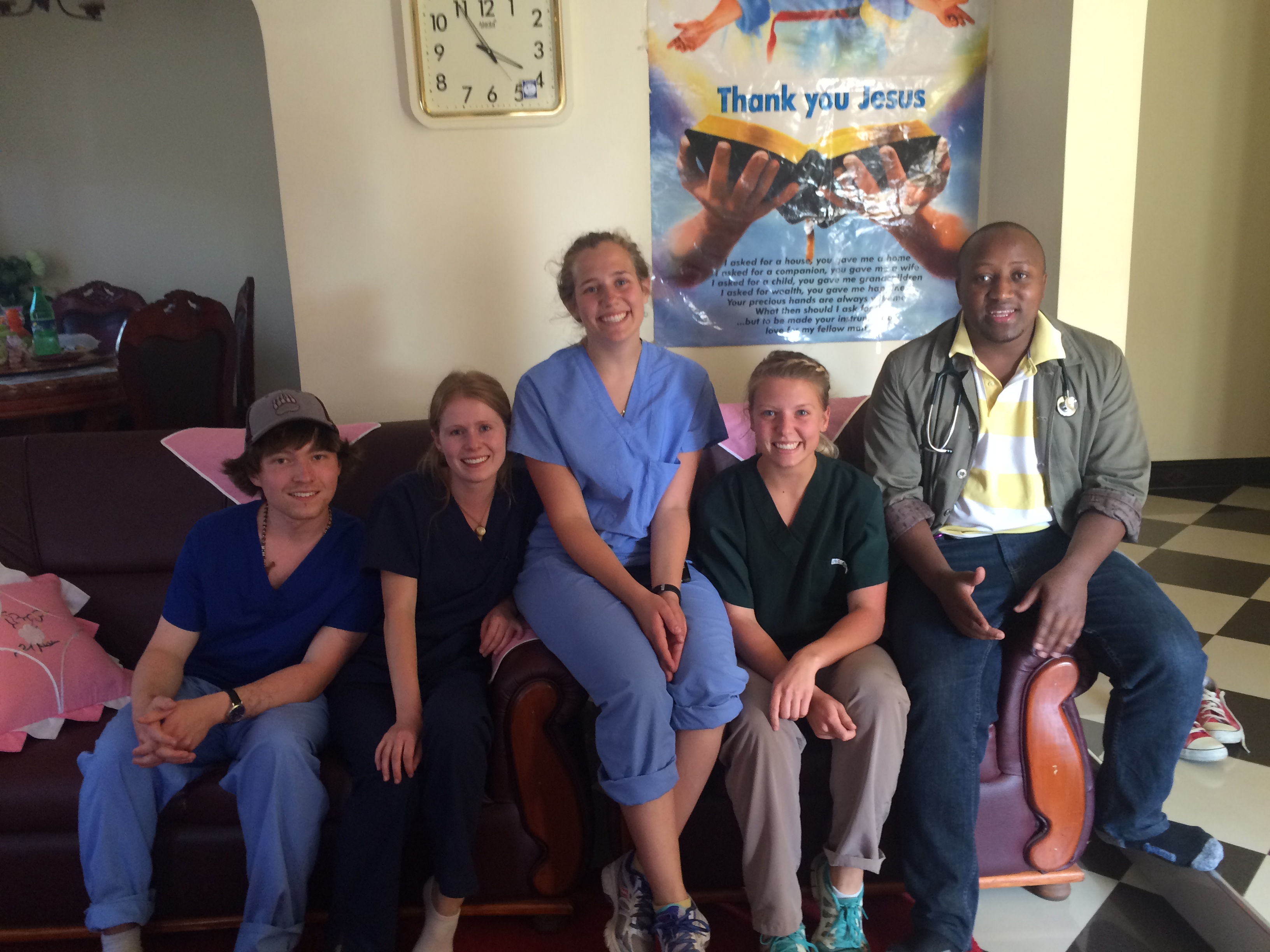
“During my six-week internship at Levolosi hospital I assumed I would be shadowing doctors, learning from them, and possibly getting the chance to view minor procedures. It turned out to be so much more than I could have ever hoped for. My first day I was introduced to the head doctor, Daktari Alexander, and he immediately asked if I wanted to assist a C-section. With little to no medical experience I was ecstatic to be given this opportunity on the first day. But as Dr. Alex began the procedure I fainted. When I woke up, I was disappointed and so embarrassed. Thankfully, for the first time I was able to witness the relaxed, loving, and kind Tanzanian character that every person I met there possessed. I expected the doctor to be mad or annoyed but he laughed, gave me a hug, and said “Even happens to the nurses; Not to worry you will see again very soon”.

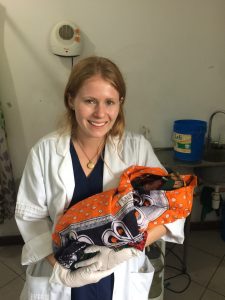
First baby delivery!

The days following I was worried I wouldn’t be able to handle it. I thought I would have to step back from the procedural side of the hospital work, even though it was what I most wanted to do. I knew I couldn’t miss these amazing opportunities the doctors at the hospital were so generously providing me. The second and third days I tentatively assisted an Implanon removal and a circumcision and after a quick breather near the cold air of the open window, I knew I was going to be fine. I was proud of myself and so relieved. A few days later I was prepared to re-attempt assisting a C-section and as I received, weighed, and swaddled the newborn with afterbirth all over my scrub shirt I was grinning from ear to ear.

I began to form a routine, observing and (amazingly) assisting and performing new procedures every day. I would walk Sarah Temple Medical internship in Tanzania4forty-five minutes to get to the hospital along side other volunteers who quickly became some of my best friends. Once we arrived, we would divide ourselves among the departments in the hospital. My closest volunteer friend and I usually worked in minor operations and quickly became close with the doctor that ran the department, Doctor Mosha. He was so relaxed and willing to teach us so we were able to learn minor procedures quickly, giving us a chance to actually make a difference. Doctor Alex prepared a weekly lesson in his office about whatever we wanted to learn, adding his hilarious personal twist on things that lightened the mood of some pretty heavy subjects. Some of the lessons consisted of HIV/AIDS, tuberculosis, and upper respiratory infections. His wide range of knowledge, lightheartedness, and humbleness allowed him to become someone I will always look up to.
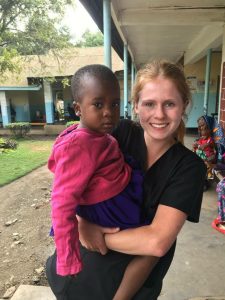
When the hospital work was slow, I would learn from the doctors in the out-patient department. As they diagnosed the long line of patients in the waiSarah Temple Medical internship in Tanzania5ting room, they would explain to me the patients’ symptoms, ask me what I thought they had, and even teach me some Swahili too. When we weren’t seeing patients it gave me a chance to really get to know them. We would usually go out to lunch when there was a break in work and they would take me and a few of the other volunteers to try traditional Tanzanian food. Working together for six weeks allowed us to get really close, and I’m so thankful to now be friends with some of the most fun, hard-working, and down-to-earth people I’ve ever met. I miss them every day.
Post C-section
Post C-section

Working in the hospital was the most rewarding thing I’ve ever done, and some of the best weeks of my life. I am beyond grateful to have experienced and have been a part of real-world medicine at Levolosi, but what was even more rewarding to me about my six weeks in Arusha was getting the chance to experience and learn from the kindness, selflessness, and love of life the people from the Tanzanian community possess, especially the community at the hospital. They made me fully understand that happiness really does come from your outlook of the life you have. The doctors at the hospital work harder than anyone I know but still find time to have fun and they are grateful for everything no matter what it is. They are paid very little but love their jobs because they get to help people and make a difference. I’ll always look up to them and I aspire to be as passionate about my job as they are one day.”

Medical Internship in Tanzania 

Report No. I


“My first month in UB was lived with mixed feelings. I had troubles with even coming to Mongolia because I was misinformed by my organization, but I’m in the process of sorting out options of compensation with Global Nomadic/ New Choice now. I am staying with a host family, which is in general fine and an awesome way to experience local life. My host family is very nice, but nobody speaks English, which makes it kind of hard being at home most of the time. We are six people in a 2 bedroom apartment. I have a room on my own by now. Needless to say that the living situation is not ideal, but endurable for me.

The internship is going well so far. We only work 3 days a week. The atmosphere is more than relaxed. What I miss is a little direction though. I am not a full-on journalist, therefore a little guidance would have been nice in the beginning. You can basically write about anything, which is a little hard for me because I am a sucker when it comes to deciding. This is why, I was sent to galleries two times so far to write about the current exhibition, which was really nice.

After almost two weeks I came across the possibility to go on trip to the Gobi for 6 days, which was totally fine with the editor. They really give you a lot of space to get the most of your Mongolian experience. The trip was amazing!!!”

TV & Print Journalism Internship in Mongolia

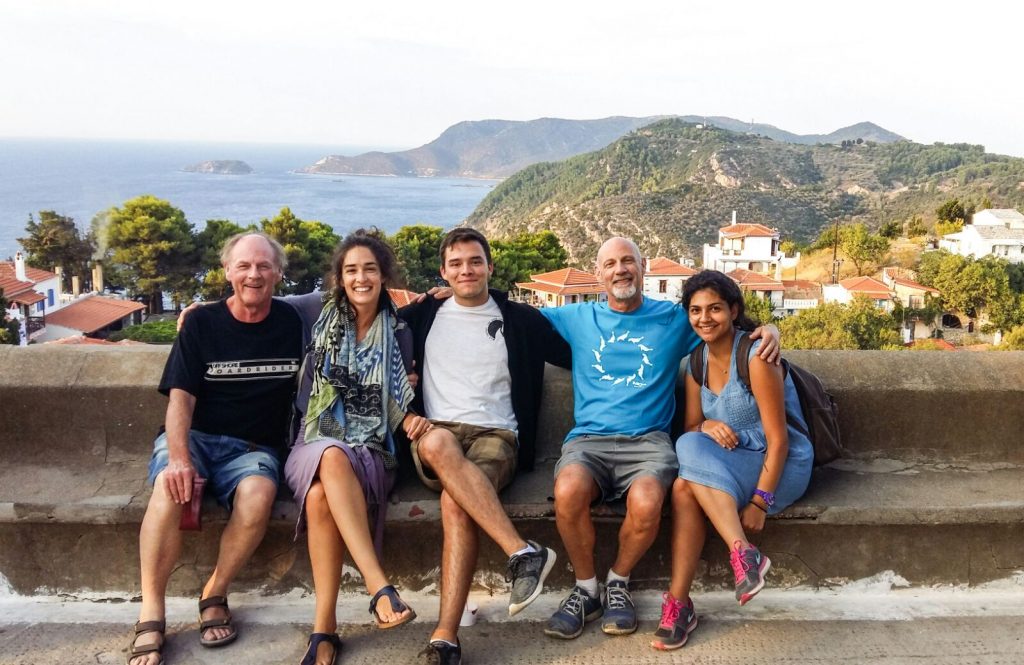
Dolphin Project Alonissos 2016


“For the summer of 2016, I decided I wanted to do participate in a volunteering program somewhere in Europe. Since I was twelve and became a scuba diver, Greece had become one of my top destinations for diving sites. So, I did some research on the programs available in different websites, and came across the Global Nomadic program in Alonissos, Greece. The dolphin research assistant position in that remote island was the perfect opportunity for both scuba diving in the Aegean Sea and carrying out research for Marine Conservation, which is also my passion. I chose this position in the project with the MOm NGO because it started at the right time in August and had the perfect duration and so avoiding any time confections with the start of classes at my University.

Living on this island in Greece looking for dolphins out in the sea and scuba diving during my free time came to be an amazing experience. I arrived in Alonissos in August, met my project coordinator and the other research assistants who were going to be the people I was going to work with but also the people I was going to be living with. I lived for a week with people from Australia and Cyprus. It was such a great learning experience to live with people from such different countries with cultures from mine. Despite the fact that we had a rough time spotting any dolphins during the whole week, I will always remember the long chats we had in the boat trips around the national park, talking about our lives, getting to know each other. We would always stop the chats for moments of extreme concentration when we passed by any sites or areas where we could have a chance of spotting any dorsal fins during the long trips around the islands. We spent every day and night together and I am very glad we did. We ended up becoming very good friends and still keep in touch now. The project in itself was a very interesting experience but what topped the living was the people I shared the week with.

I would definitely recommend this project to someone who is passionate about Marine Conservation. The organization works hard to protect and conserve the dolphin and monk seal populations and nature in the national park, and can always use help. Working for a volunteering program can be a very rewarding experience placement specially in one such as this one in which you also get to enjoy the beauty of the Aegean Sea. I think everyone would benefit and not regret from a living like this one.”

Dolphin Research Internship in Greece

The Clinic


“Hello Global Nomadic!

I figure it is time that I send in my month two report and talk a little bit about where I am working!

taylor2

My day starts at the very respectable hour of 8am. After the typical morning routine (get presentable, make breakfast, pack a lunch) I leave my apartment at 8:50. Ulaanbaatar, despite all its curving semi roads, is actually pretty easy to navigate. I wander past multiple apartments until I get to a main North/South road and work my way up to Peace Avenue which is the main road traveling through the city. The walk is generally 15 minutes (12 if I’m running late and in a hurry!).

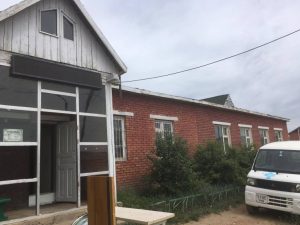
When I make it to my bus stop I wait for Bus 2 headed to Sharhad. There I get off and walk for approximately 5 more minutes before I get to my clinic!

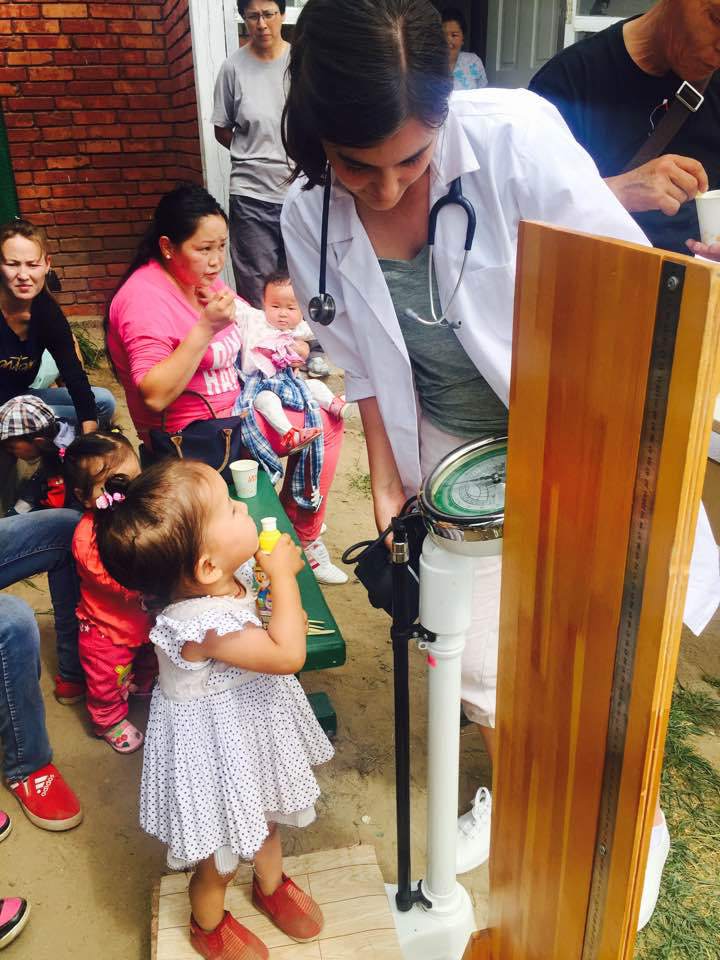
This one clinic serves the entirety of its district, meaning that 1 clinic serves 12,000 people. Its a very busy place.

For the first few days I mainly observed one physician as she went about her daily routine. Most of the people who come in are simply there for check-ups. However, one major difference I noticed between the US and Mongolian practice is that if a patient has a more serious condition, they have to go to the family clinic first, then they are referred to a larger regional clinic, and then from there they have to be referred to a specialist. Therefore, with a system like that in place, efficiency at each level is key. Patients are in and out of the clinic very quickly. There really is no such thing as a 45 minute wait (which I feel like we have come to expect at US clinics). Patients will simply wait outside the physicians door, and as soon as one leaves the next will simply walk in.

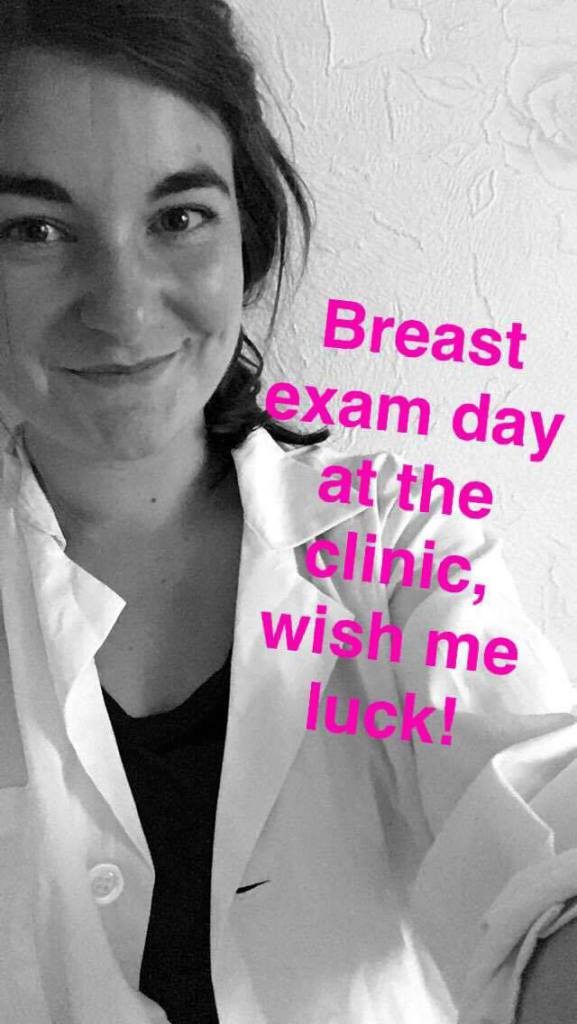
After a few days however, it was time for me to get busy! For much of the morning I was assigned with my fellow volunteer to conduct breast exams. Yes, that’s right. Had I ever conducted one before this trip? No, no I had not. Am I very familiar with the process now? Yes, yes I am. But I figure that’s bound to happen if you examine 15+ women every morning for two weeks…

taylor3

It has been a learning experience! But by the second week I was ready to try something new. And I definitely found it. One day I was wandering the clinic in during the afternoon shift and I came to the IV room. Essentially in Mongolia much of the administrations of medications are done in the clinic. While it does create a bit more foot traffic, its very helpful for making sure patients take their medications faithfully.

After reviewing  a few IV administrations, the nurse I was shadowing was ready for me to try it myself. I wasn’t quite ready to make that commitment so I just told her I would watch for now, but now my recent job has been to remove them (a much simpler task, but a stepping stone none the less). Maybe I’ll try administering IVs next week.

Overall I love the clinic that I work.. Much of it is the same routine everyday (breast exams in the morning, help measure and record blood pressures, IVs in the afternoon). But I love it. I am learning so much. I think the language barrier in this instance serves as a benefit, because it forces me to focus on observing patient body language. Are they pointing to their stomach? Is the doctor responding by tapping the areas where their kidneys are located? Or is she pressing on their appendix or under their rib cage? Many of those kinds of observations are done in a day.

This clinic also is different from what I am used to because every Monday/Wednesday/Friday, the head physician brings families in to teach them about various topics related to health. Sometimes it is teaching exercises, and other times it is showing new parents what their child should/shouldn’t eat, the other day we even had a seminar on hand washing. I personally think these kinds of seminars are so cool to observe, and they really help to develop a community among the patients. You begin to recognize the families that come in, and they all regularly engage in conversations with each other. The sense of “small community” here is really impressive when considering how many patients this one clinic actually serves.

But that’s all I have time for for now! But hopefully I can update soon with more details about what I am observing. In the meantime thank you for sticking with me!

Until next time!”

Medical Internships


Public Health Internship – Ghana


“I had been looking for a public health internship this summer, and I was able to find an internship at the West African AIDS Foundation and International Health Care Center in Ghana through Global Nomadic. Being an undergraduate interested in medicine and preventative health, this internship had been exactly what I was looking for and I have been able to learn and experience so much in the time I had there.

From day one of this internship, I have been able to be exposed to many new things in public health from getting to participate in outreaches to working in the pharmacy to helping write proposals for the organization.

I would definitely recommend this internship to others, in that you are allowed to dive right into projects and gain such hands-on experience in almost any field that you are interested in public health. This organization allows you to work within the medical side if you are interested in science with IHCC, or the community advocacy side if you are interested in public health with WAAF.

Majoring in biology, I mainly worked in the clinic, and was able to help in the pharmacy and laboratory, shadowing the lab technicians and pharmacist while also helping record patients’ information. This was a great experience getting to work with the clinicians and learning how lab tests are conducted.

In addition to working in the clinic, I was able to help write grant proposals for the organization for various projects. The variety of activities here was what really made this internship so rewarding. You are exposed to many aspects of public health and different departments of NGO organizations and are given many options and flexibility as to where to most significantly focus your time here.

Participating in outreaches was one of my favorite experiences I had had with WAAF. I joined nurses and administrators to screen individuals for tuberculosis in a square on a market day. We talked to the community about the symptoms of TB, and if individuals were not screened we were still able to offer further information about the disease and the measures they could take in order to be more likely to avoid contracting it. Getting to talk to people about the symptoms and encourage testing was one of my favorite activities because I have never seen this side of preventative health and community advocacy in action before, and getting to participate and be a part of it was really eye-opening and inspiring.

I am so happy to have had the opportunity to volunteer in Ghana, and I would definitely recommend to others, if possible, to take the opportunity of gaining the experiences and meeting the wonderful people that interning abroad can offer.”

Public Health Internship in Ghana 


Nepal Medical Internship


“My name is Vadim Karcha and I spent a month in Nepal. The first week was culture immersion week where all the volunteers from various placements spent a week in the volunteer center/house adapting and learning about Nepali culture. This week included exploring the local area, hiking, yoga, learning language, culture, history, religion and Nepali customs. We all got Nepali names, mine was Vishnu. I learned random things that I would have never known such as whistling indoors and sleeping on top of your blanket is considered bad luck and the swastika in Nepal means good luck. Some challenges the first week were getting used to the food and communicating with the locals. Successes were meeting many new volunteers from different countries and seeing and learning about such a fascinating country.

The following week I finally got to start my placement, which was the Medical internship, where I stayed for the next 3 weeks. The internship took place in Stupa Community Hospital. Seeing this hospital kind of blew my mind at first because of how unsanitary everything was compared to U.S. hospitals, but after spending time there and realizing that this is what they have and what they have to make work I was more understanding. Most of the time I spent was with the gastrointestinal doctor because he was the hospitals primary doctor. We got to observe many endoscopy’s with him, and many tuberculosis cases which you do not normally see in the U.S. My favorite part was when we got to observe surgeries. I got to see the removal of a gall bladder, the removal of two abscess and a radius fracture repair. Normally with a developed country the first two surgeries are done laparoscopically, but since that kind of technology isn’t available in developing countries the patients had to be cut open. The best part for a future medical student like myself was that I got to be right at the table standing next to the surgeons as they performed their surgeries. A challenge at the hospital was that the doctors communicate in Nepali and when they do explain things in English it is sometimes difficult to understand. My only wish is that there was some hands on experience for volunteers.”

Volunteer Teaching in Nepal


My trip to Rio De Janeiro – 2016


“After a 15 hour flight from Texas, I finally arrived at the airport. I was greeted and picked up by my guide, Luis. Upon arriving to the hostel in Rio, I met other people from around the world who were also volunteers.  Everyone was nice and I enjoyed getting to know them. It wasn’t long until we all started doing activities together like eating, dancing, and discovering new places.

rio-3My first full day in Rio included going to see Christ the Redeemer and getting to know the neighborhood. Over the next few weeks, I would see everything from favelas, beaches, the Olympics and everything in between. Although I enjoyed myself, I did experience a few challenges and some unexpected events. First, I didn’t pack enough clothing and much of the clothing that I did bring wasn’t suitable for the weather. Being that I went to Rio in the winter, I wasn’t aware that the weather would change every few days. Not to worry, there were plenty of shopping malls! The second challenge was…walking! We walked almost everywhere in Rio, so it’s a good idea to bring a good pair of tennis shoes. There are so many hills and steps to climb, so get ready to work out. Another challenge was communication and understanding the language. The language barrier was probably the biggest challenge for me, especially because Portuguese is a difficult language to learn. Luckily there were several volunteers who either knew Portuguese, or a similar language, who were able to translate for me.

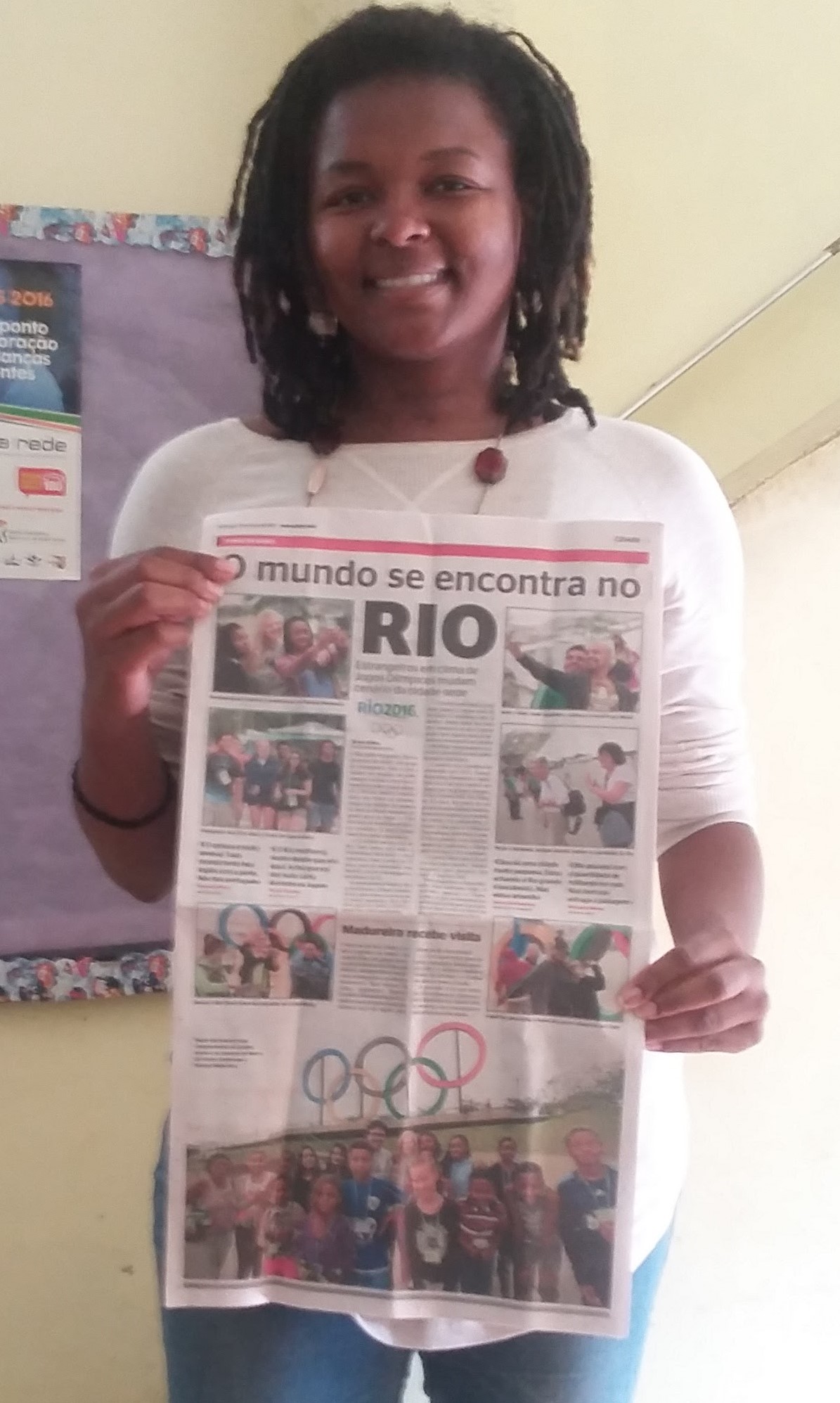
My volunteer project was very fulfilling. I loved going to volunteer and met some incredible people who were so giving and very kind. I grew to know the community and enjoyed being able to give back. A huge highlight was being in the newspaper along with the children and other volunteers from my project.  It was really awesome and a memory that I won’t ever forget!

Overall, my trip to Rio De Janeiro was awesome! Every day was a new adventure where I made a new friend and learned more about myself. I am lucky because I truly made new friends through our common love of volunteer and travel.

***Some unexpected things to expect: paying for transportation to and from your project, not being able to take your phone outside much due to theft (although I did and was fine, other phones were taken), various ATM’s not functioning properly, a long wait to use the bathroom, no hot water, and lots of people living in the hostel aside from the volunteers.”

Health & Education Volunteer Project in Brazil