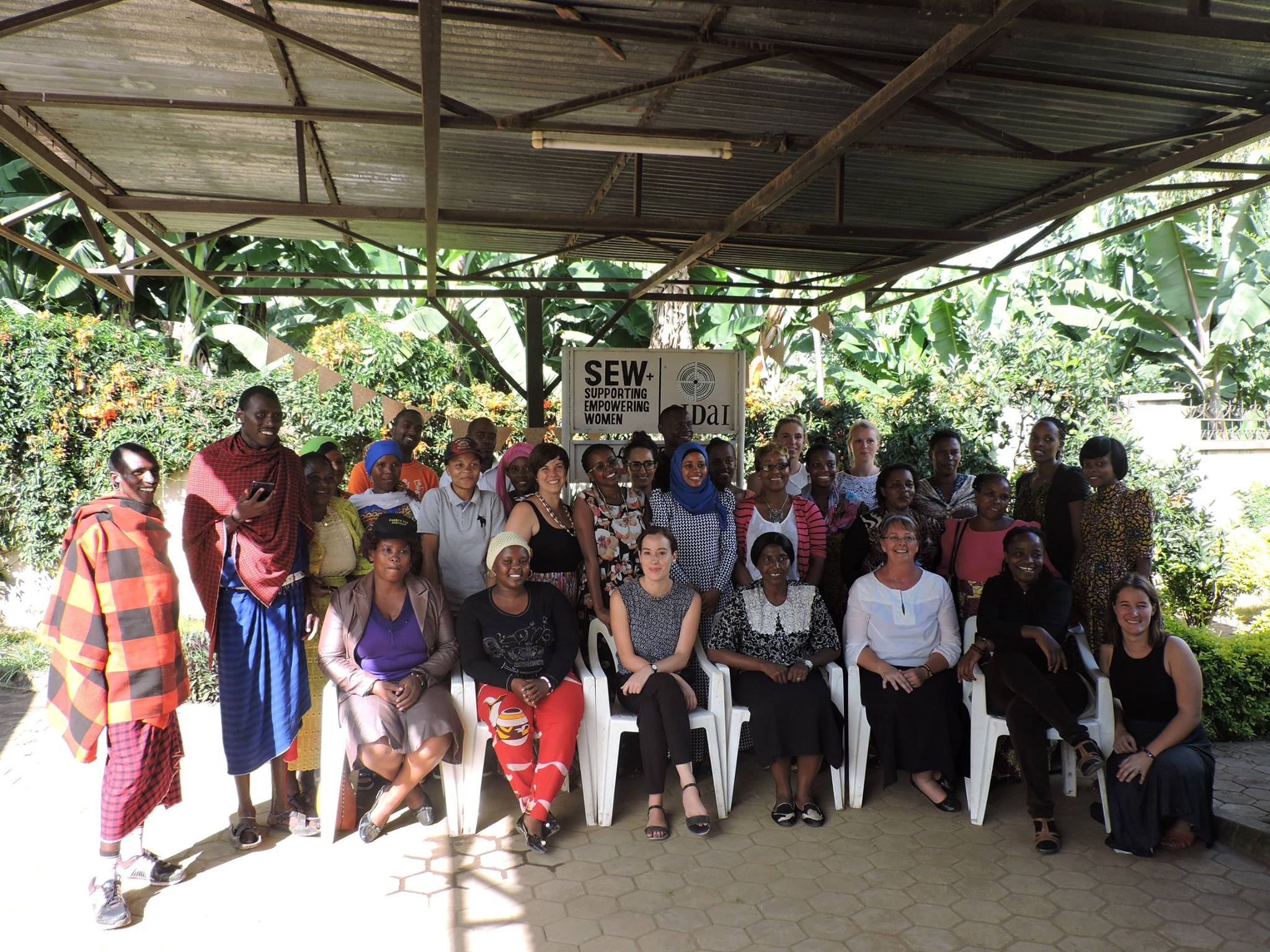
“I’ve nearly reached the end of my internship in Tanzania, but it’s safe to say it has been incredible! Arusha Women Legal Aid and Human Right Organization have been busy with several events, especially around International Women’s Day (8th of March). We were named a beneficiary for a V-Day event in Arusha, named ‘a Memory, a Monologue, a Rant and a Prayer’.
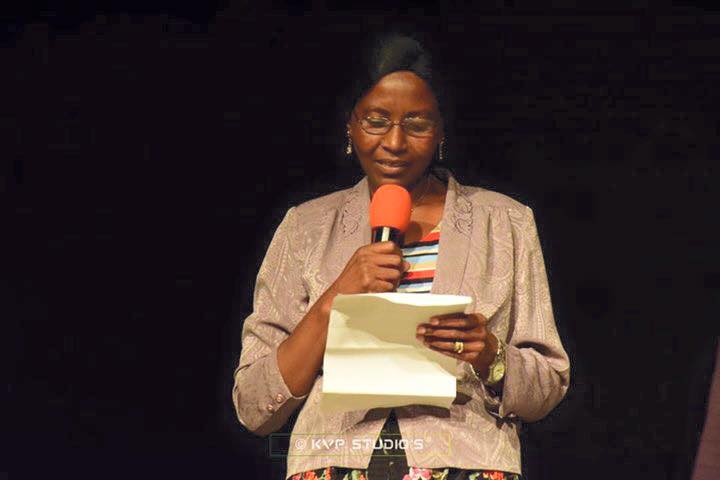
It made a nice change to be selling tickets and standing on stage explaining what the organization does and how it helps women in the area. One of our clients, Upendo, also made a speech which added a personal and eye opening touch to the evening. It was excellent to network with other women’s rights organizations that focused on other issues that disadvantaged women such as FGM and war.
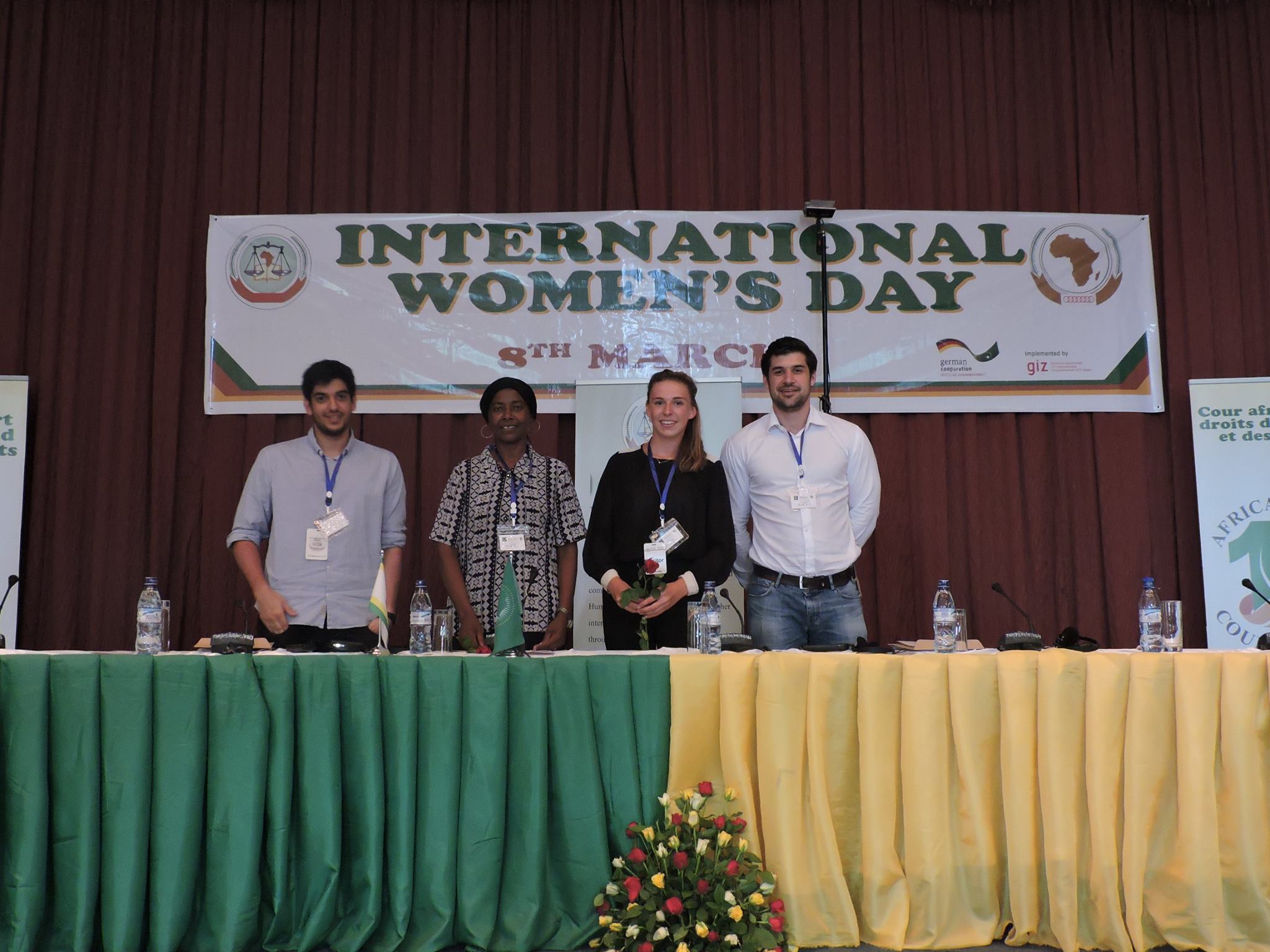
More recently, the interns have been fortunate enough to attend meetings and seminars at the African Court for Human and People’s Rights, among other exciting locations. On March 8th, we celebrated International Women’s Day at a seminar which discussed women’s access to justice, child brides and other obstacles that women face. It was a truly interesting day, where a variety of issues were addressed. We heard from many lawyers and legal professionals and it was great to see a strong female representation. The most interesting topic of the day for me, was female representation within the law. Since I am currently applying to do a law degree, it gave me the opportunity to see how few women in Africa are able to become barristers, solicitors and judges.
This weekend, I attended an international women’s day afternoon tea, hosted by the Australian activist group ‘One Woman Project’. The afternoon was full of interesting speeches and debates that clearly emphasized the struggles of being a woman in Africa and what can be done to ease them. The day was attended by NGOs, religious and tribal leaders and notable women’s rights activists. There were also musical performances by local villagers! The afternoon was immensely empowering and I was honoured to speak about the work that AWLAHURIO does. Women from around Tanzania spoke about their own experiences. Girls drop out rates from school was an interesting area of discussion that I was previously unaware of; girls drop out of school due to pregnancy, caring for family, farming and employment and even because of menstruation. It was so interesting to hear about these issues and to collaborate with different women to find solutions to many of these problems.
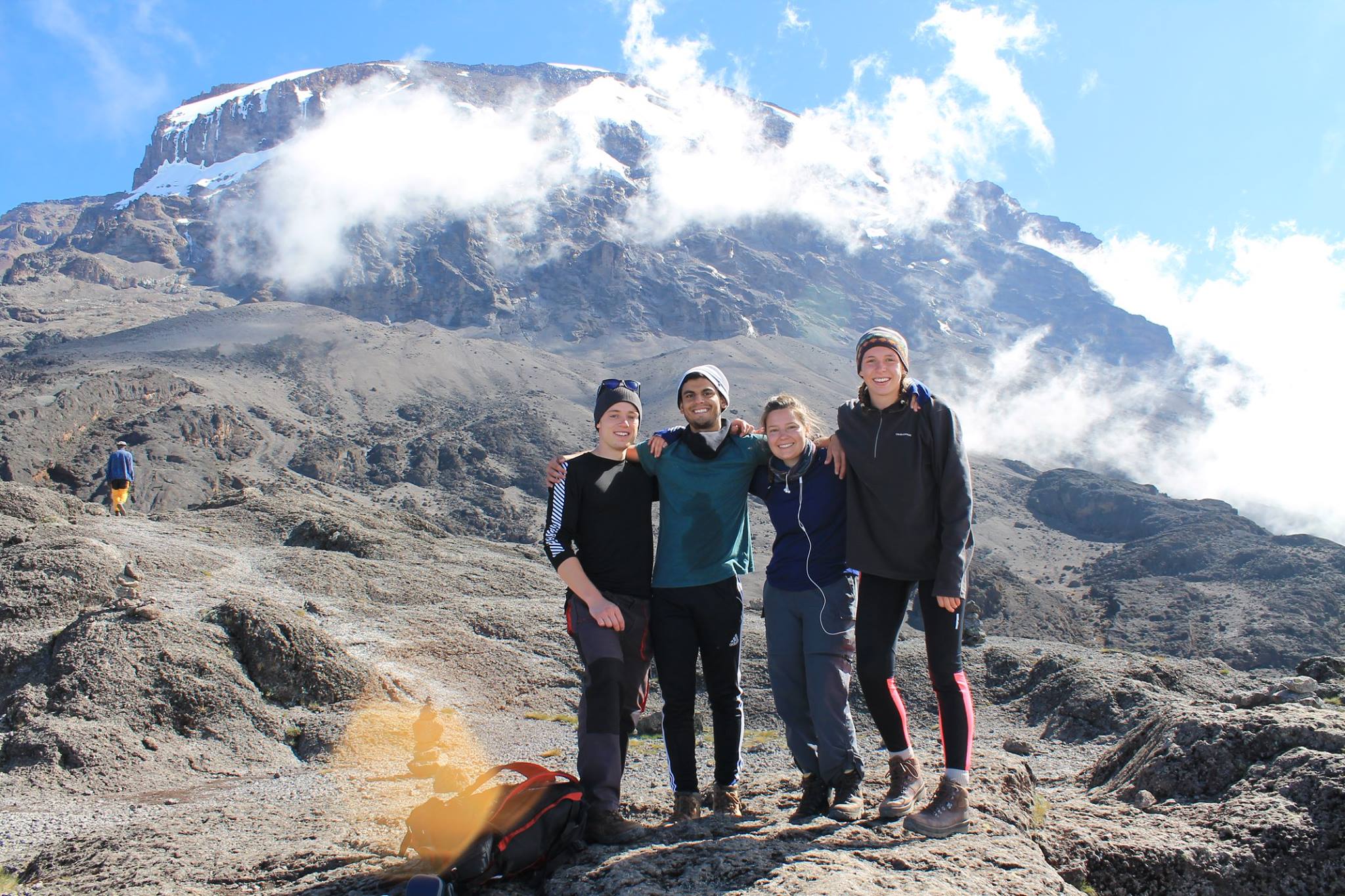
Despite being busy at work, I have also taken the time to explore this beautiful country. From visiting markets and sampling some of the local treats to climbing the ‘roof of Africa’, Mount Kilimanjaro! Some of the volunteers and I travelled around the country to visit some of the other wonders Tanzania has to offer including the beaches at Tanga, Sand Island and Mwanza – Rock City! The landscapes in Eastern Africa are truly breathtaking, and it was wonderful to have the flexibility around my work to sample these during my stay. Climbing Kilimanjaro was similarly amazing – it took 4 and a half days to reach the peak, which is covered with snow high above the clouds! It was strange to be so cold in a country reaching 35 degrees in the day! Just before I left I also visited Global Vision Orphanage Academy in the rural Arusha region. I want to thank everyone who donated to my JustGiving page! The money I raised has been donated to Global Vision Orphanage Academy. GVOA is an independent, semi-boarding school with 7 classes for 62 orphans and street children, most of whom have lost their parents to HIV and AIDS. I was able to present the school with $450 (£300).
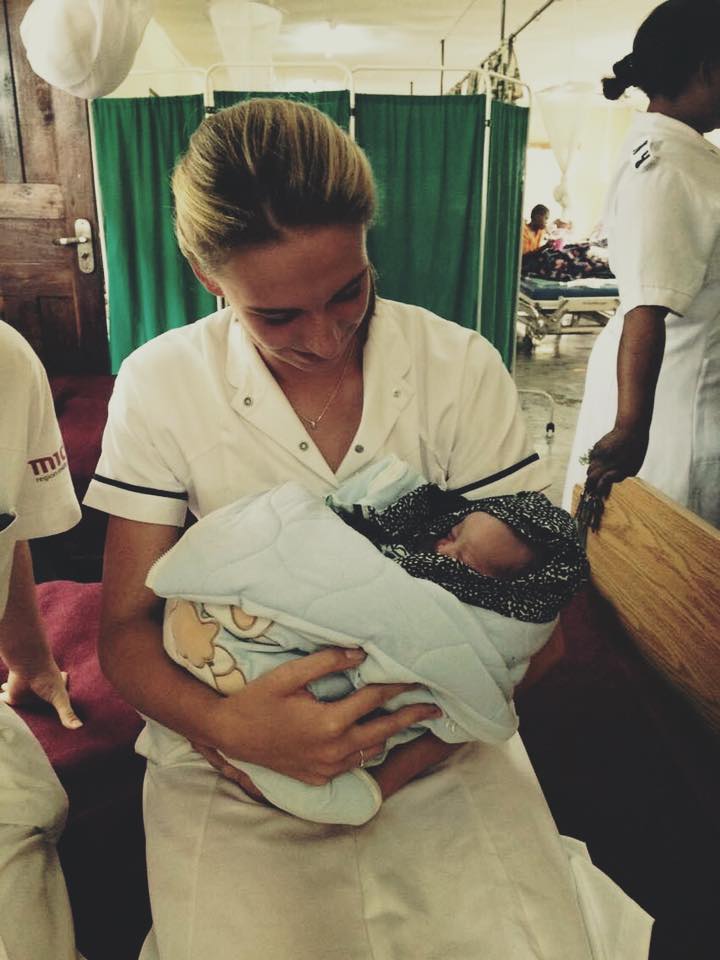
After looking at the facilities and speaking with the founder of the school, I have decided to use the money to:
– fix the roof on the classrooms, so it is safe enough for the children to have lessons indoors
– buy chairs and desks for class 5 and class 6
– buy 2 months worth of food (porridge, rice, beans, tea and fruit) for all students
I also spent some of the donation money on pens, pencils, crayons, chalk, balls and a swing for the children to use. I would like to thank the children at Explore Learning Heswall who wrote letters to the children in Tanzania, the children at GVOA were very excited to read about life from their English ‘Rafikis’!
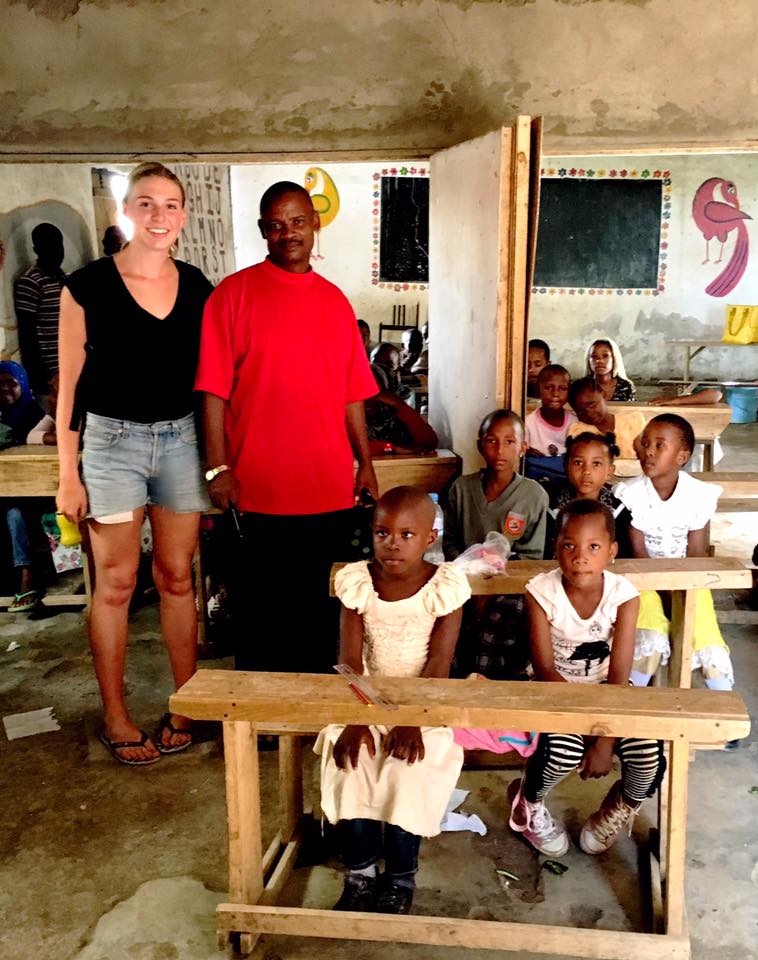
I hope that safe and comfortable classrooms, more supplies and enough food will allow GVOA to educate more street children and orphans, who cannot afford to go to mainstream school. Again, thank you to everyone who made a donation, and those who have supported me during my time in Africa, the children and staff were overwhelmed by the gifts, and there is no doubt they will benefit the children at Global Vision Orphanage Academy.
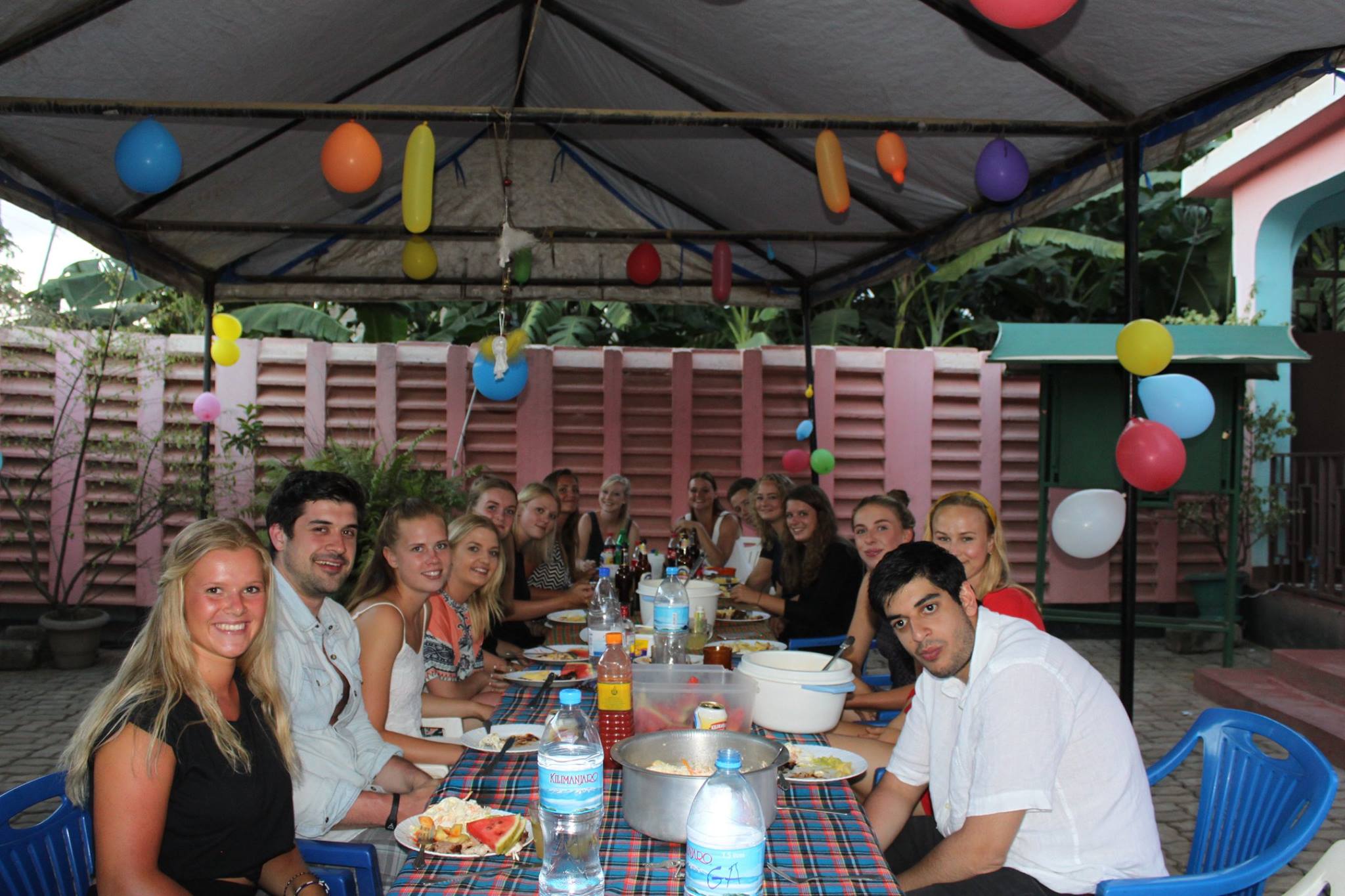
Freddie Neal – Intern on the Tanzania Human Rights Internship 2016
Human Rights & Legal Aid Internship in Tanzania

 There are many ways to check water quality!
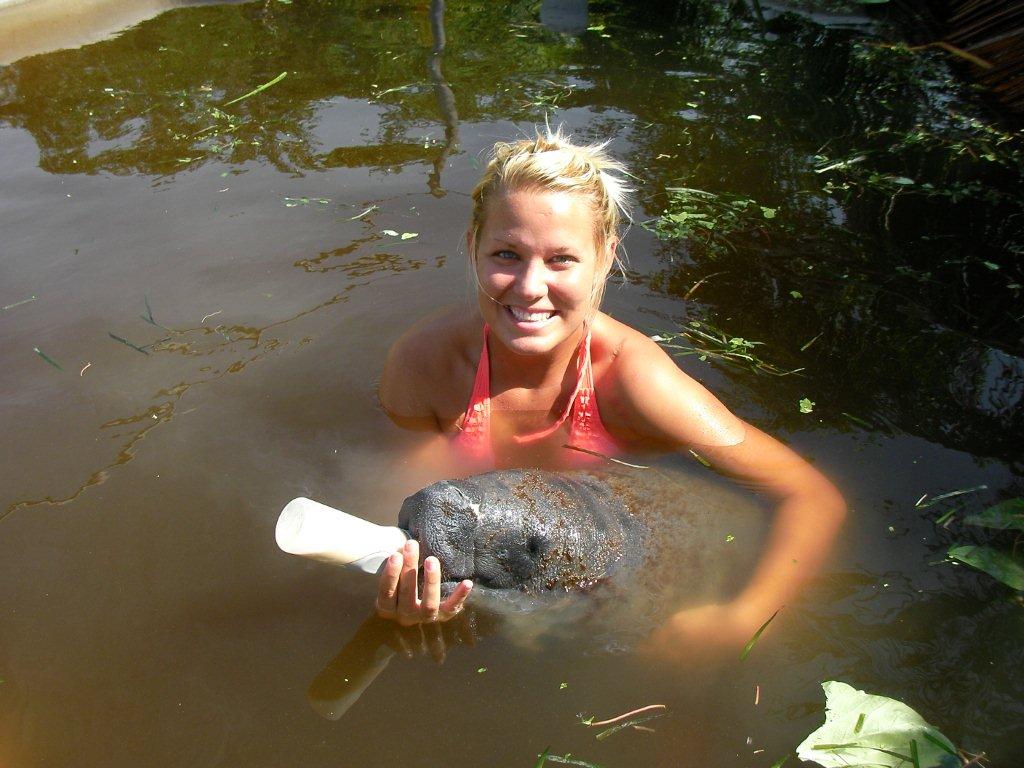
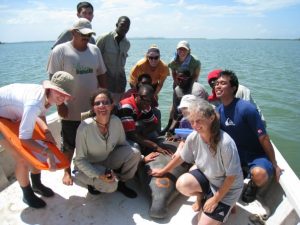
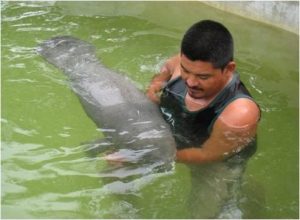 his tank also got drained and scrubbed daily. Duke had to be tube fed and that was once a day as well as his daily tank scrubbing. Kahleesi was still being bottle fed by Paul and Zoey. Working with the manatees was my favorite part. Rameses found a place in my heart and i am determined to make it back in a year to watch his release. Seagrassing was also an important task we had to do. Neto, the man in charge, would take us out on the boat in the lagoon and we would get buckets and fill them with seagrass. Returning with buckets of seagrass in hand, we would then fill each manatees square with seagrass so they could munch like in the wild.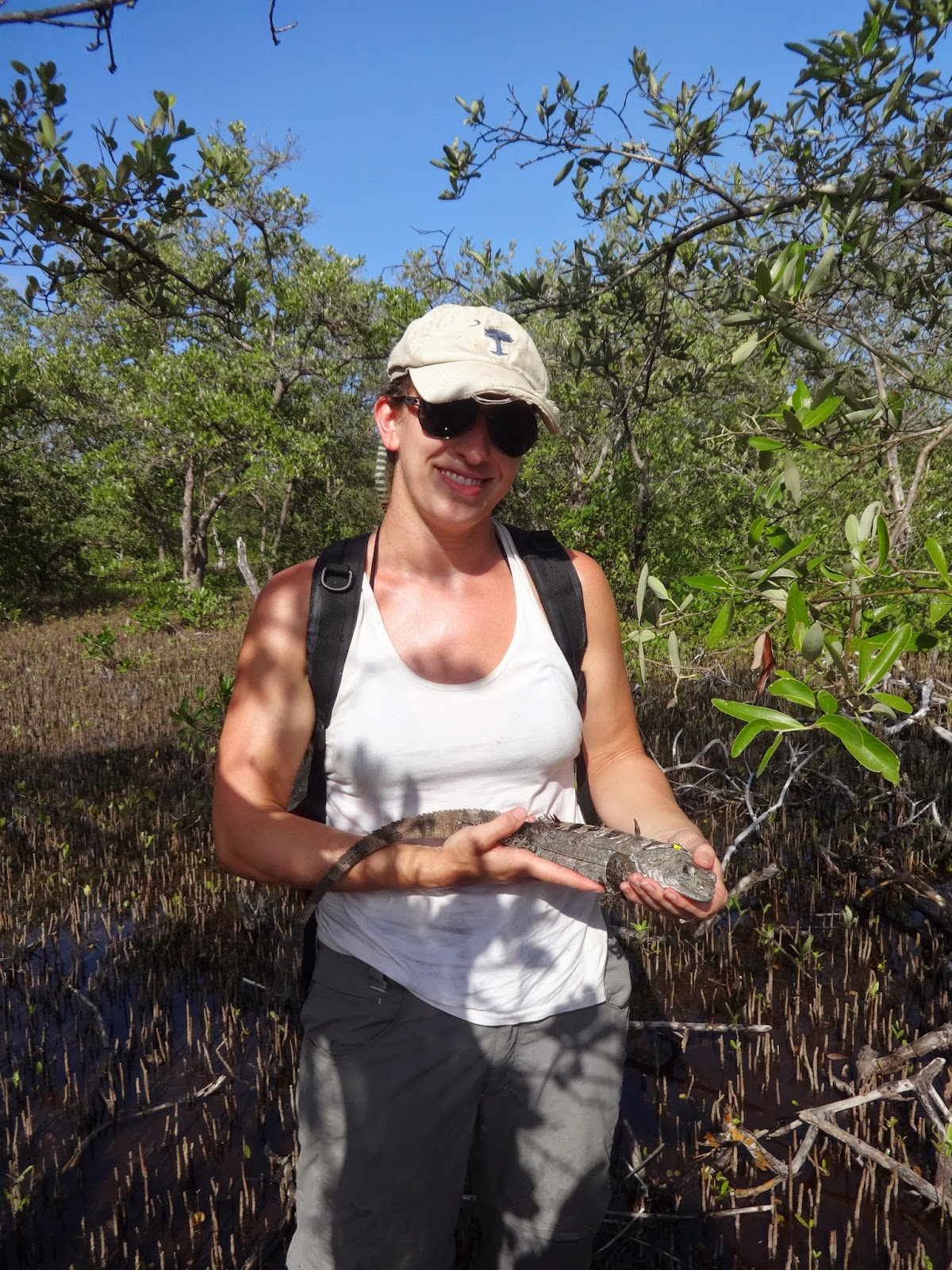
 arachnids, herps, and the fish in the sea around the coral reefs there. Among other conservation related issues on the island, the main goals are to help research and protect the islands highly endangered endemic iguana known as the Swamper ( Ctenosaura bakeri) and to help set aside land via private reserves to protect them for future generations. Steven Clayson and Andrea Martinez run the project, they both have extensive knowledge of the Island and the many ecosystems and flora and fauna that live within it. Without the two of them, I would not have had such a great time there or learned as much as I did.
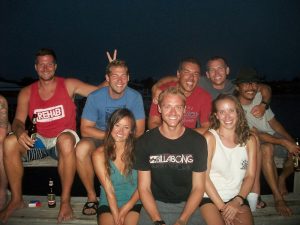 a project for her senior thesis. Courtney from Louisiana (also from Global Nomadic) was there for her 2nd trip to Utila, the 1st trip she was a research assistant as I was, but this time she was there to do her own project on host specificity of parasites found on the bats that live on the island. I learned how to use mist nest and got good at catching them with a hand net. (Rabies shots are required to hold the bats…these shots must be taken 3 weeks prior to arrival FYI.) I also learned how to use radio telemetry, GPS, and GIS equipment during my stay.
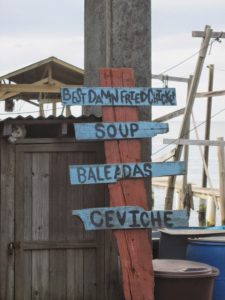 I feel like I could go on and on about my time spent in Utila…the simplicity of life there, the sunsets, the heat, the mangrove hikes, the baleadas( a local food, you must try Ms. Lydia’s stand in front of the bank,)the snorkeling and kayak trips with locals like Jose from the Iguana Station, the music, the untouched nature, and the nature that needs a bit of a helping hand. I had such a great time there I rebooked my flight so I could stay a week longer in paradise! I look forward to the day I get to return.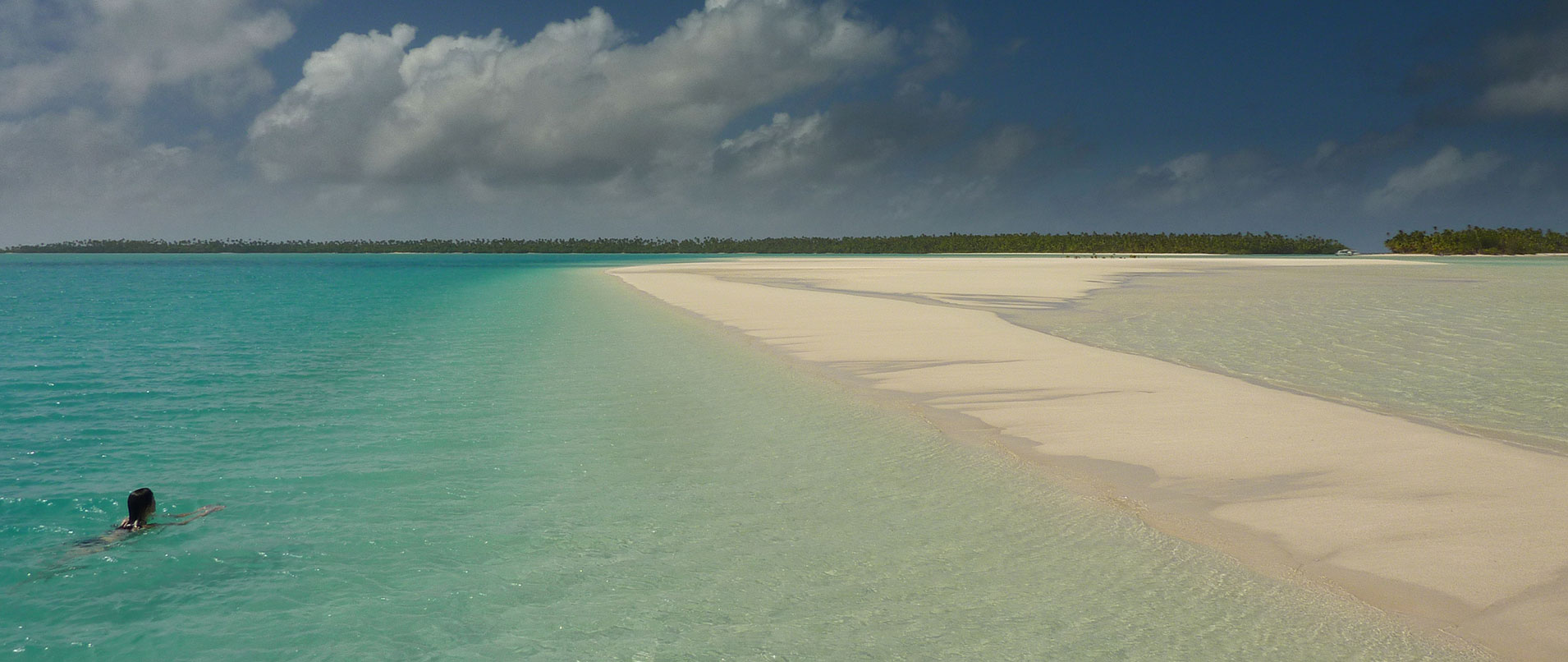
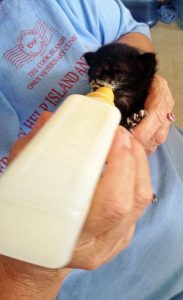 Upon my arrival, I was greeted by the Clinic Director. He gave me a tour of the clinic and introduced me to the staff of Veterinarians that worked there. Cinzia, Pip and Helen were all volunteering during my visit and all three are truly amazing human beings. The love and care they provided to the animals was something that sometimes almost brought tears to my eyes.
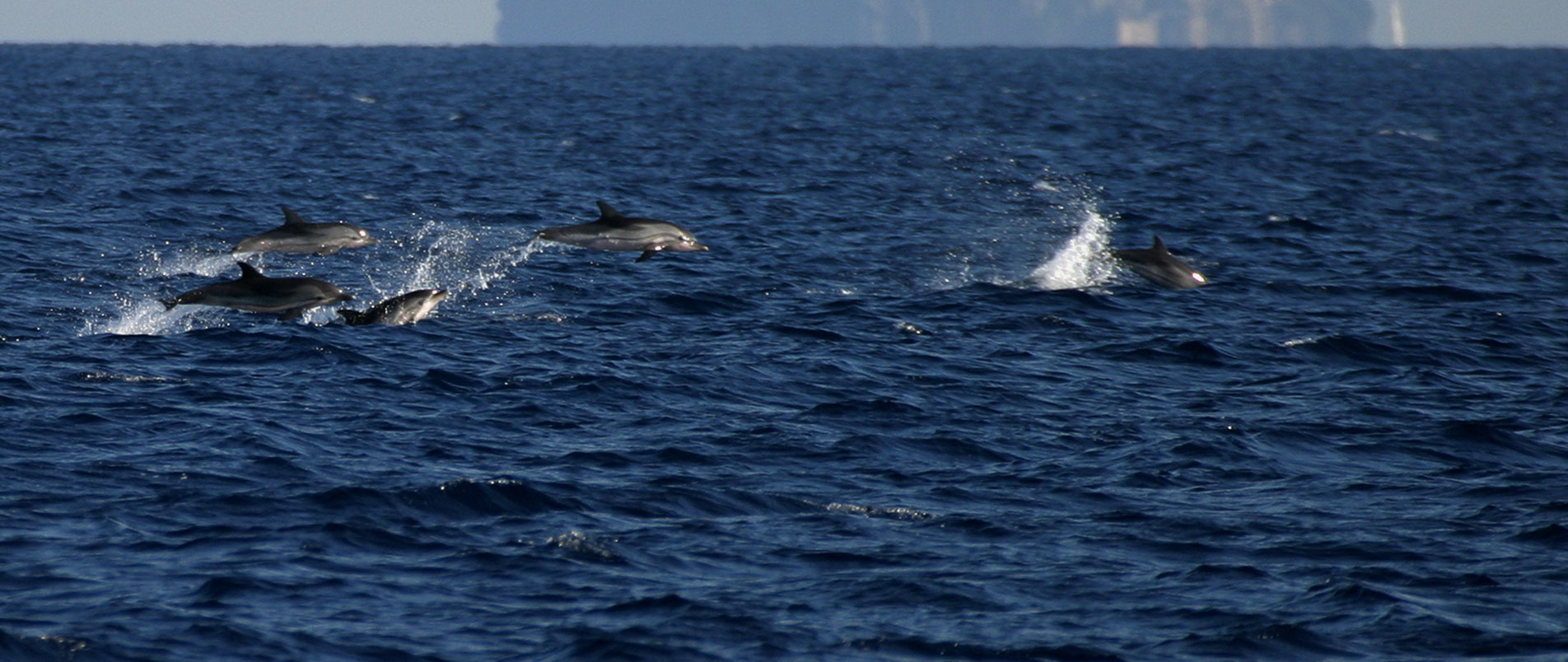
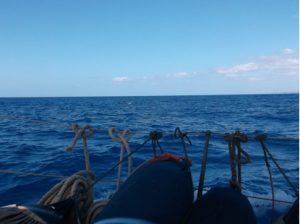
 As it happens I enjoyed the whole experience immensely and it was a dream come true! Italy is always a popular holiday destination probably because it is an extremely beautiful country no matter where you go. I have been only once before. This is the image of Italy I always carry with me and Ischia certainly does not disappoint which may be why german PM Angela Merkel chooses to vacation here 3 times a year. I was here July-August 2015. The other 3 volunteers I spent the week with were a lot of fun and up for doing things or just sitting chatting for hours after dinner, often having a sing along as there was a guitar on board which belonged to our skipper. The crew of the Jean Gab are fantastic. They made us feel really welcome and were always able to answer our questions. It is always wonderful to me to see people so passionate and loving their work. We all worked really well together as a team. The skipper Angelo loves his boat and has over 20 years experience of doing this. This man really knows his stuff. I had a good chat with him on my last night and it was clear he really cares about whales. I found him, his friends and in fact everyone I met here to be adorable, very friendly, fun and endearing. He is a great cook too. I would certainly go back again and recommend this marine biology course to anyone who is interested. There are many reasons for doing this and I’m sure you can work those out for yourselves. It was a priviledge to live on Angelo’s boat and is more comfortable than you might expect. I slept on a top bunk below deck whilst the others chose to sleep on deck. There was a rota of chores for us too and most of these are done before 8.30am. We set sail each day at 9am.
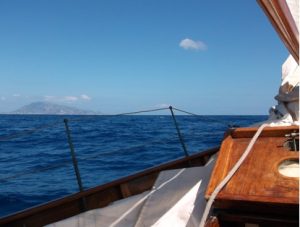 all. During my week, we tracked 2 sperm whales on the first day and were lucky enough to see the same one twice as it came up for air and then as it took a deep dive back down thrusting its tail up in the air. This was magnificent and breathtaking. My photo of that dive didn’t turn out but it is forever in my memory. Very exciting! I did get this photo of the sperm whale but you may have to zoom in to see it.
 I would just like to say a huge heartfelt thank you to everyone involved. To all the people at Global Nomadic and the project whom I had email contact with for their smooth and efficient organisation of my trip and for their willingness to help and answer any questions. Also to the crew of the boat for welcoming me into their home and giving me a brilliant week. To the other volunteers for the fun and great conversations we had talking about our various cultures and languages. All of this is very valuable and I will never forget anyone whom I met here.